
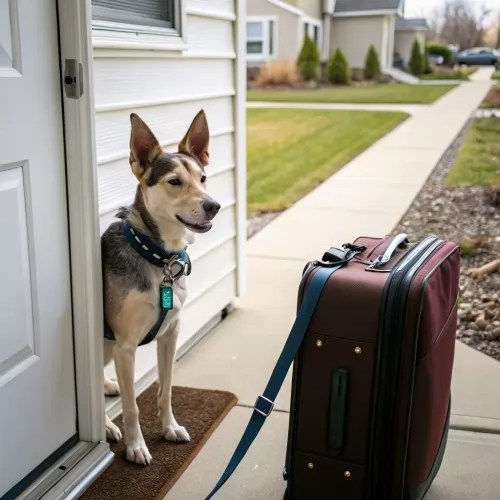
Traveling with your dog can be one of the most rewarding experiences, but it requires thoughtful preparation and careful planning. Whether you're planning a road trip, flying across the country, or heading overseas, there are several important steps you can take to ensure your dog is well-prepared for the adventure. In this expanded guide, we'll explore the key factors to consider when traveling with your dog, including breed-specific advice, health checkups, gear and tips for smooth and safe travel.
1. Choose the Right Dog Breeds for Traveling
While almost every dog can travel, certain breeds are more suited to being on the move. The nature of some breeds makes them more adaptable to travel, while others may experience more stress or discomfort during the trip.
Breeds Well-Suited for Travel:
- Labrador Retrievers: This Labrador Retrievers Known for their easygoing and calm personalities, Labradors generally love adventure and are adaptable to new places.
- Golden Retrievers: This Golden Retrievers are Friendly, well-mannered and comfortable with change, Goldens are ideal for trips that involve meeting new people and experiencing new environments.
- Dachshunds: Dachshunds are small size and portable nature make them great for both short and long trips. They’re curious and typically do well with the change in routine.
- Beagles: Known for their sociability and high energy, Beagles are often happy to explore new places and meet new people, though their scent-driven behavior can sometimes lead to mischief.
- French Bulldogs: Frenchies are small, low-maintenance dogs that are well-suited for travel, particularly when flying. However, due to their brachycephalic (flat-faced) structure, extra care is needed for heat regulation.
- Cavalier King Charles Spaniels: These adaptable Cavalier King Charles Spaniels dogs tend to be calm, sociable and easy to travel with, especially in car trips or short-haul flights.
Though these breeds are often good travelers, keep in mind that each dog’s temperament and health will play a role in how well they travel. For example, older dogs, dogs with anxiety, or those with health issues may find travel more stressful.
2. Visit the Vet for a Health Check-Up
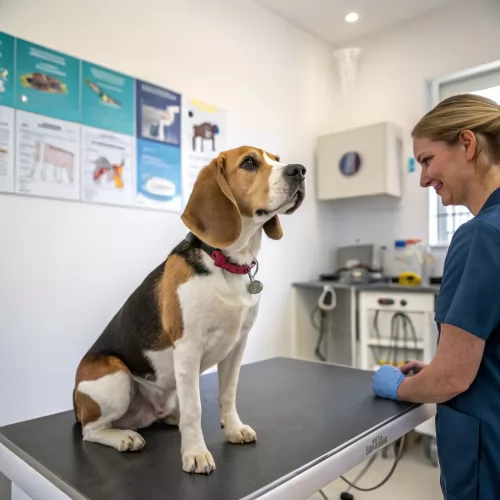
Before embarking on any journey, especially longer or international trips, it’s crucial to visit your veterinarian. A pre-travel vet checkup ensures that your dog is in good health and capable of handling the stress that comes with travel.
- Vaccinations: Ensure that your dog is up-to-date on their vaccinations, particularly if traveling internationally. Many countries and airlines require proof of vaccination against rabies, as well as other potential diseases.
- Parasite Prevention: Make sure your dog is on a flea, tick and heartworm prevention regimen, particularly if traveling to areas with a higher risk of these parasites.
- Travel Health Certification: Many airlines and countries require an official health certificate from your vet, usually within 10 days of travel. This certificate attests that your dog is free from infectious diseases and fit to travel.
- Special Health Considerations: If your dog has any existing medical conditions, speak to your vet about special precautions or medications that may be necessary during travel. Dogs with respiratory issues or those prone to motion sickness may need medication or other support.
3. Get Your Dog Used to Their Travel Gear
When preparing for travel, your dog’s comfort and safety should be top priorities. Introducing them to their travel gear in advance will help reduce anxiety and prevent any confusion or discomfort on the actual day of travel.
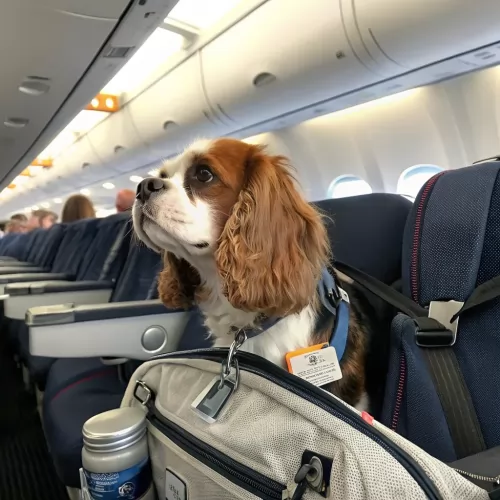
- Crates and Kennels: If your dog isn’t already familiar with a travel crate, start by introducing it well in advance of the trip. Place familiar bedding, toys and treats inside the crate to make it a positive and comfortable space. Crates should be large enough for your dog to stand, sit and turn around in and well-ventilated for airflow. For flights, check airline-specific regulations regarding crate size and requirements.
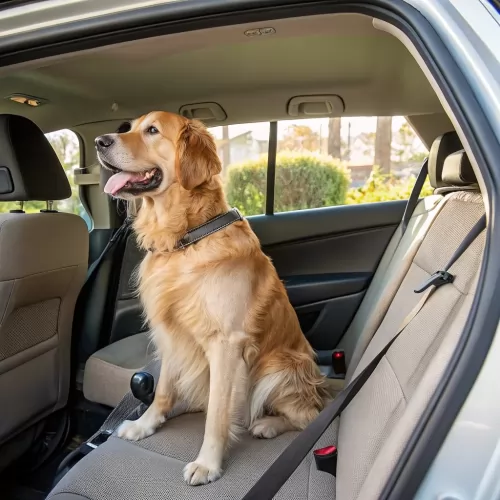
- Harness and Leash: If traveling by car, a secure harness attached to a seatbelt is an excellent way to keep your dog safe during transit. Avoid letting your dog roam freely in the car, as it could be distracting and dangerous for the driver. Some dogs may also benefit from using a dog booster seat for additional comfort.
- Pet Identification: Make sure your dog is wearing a collar with an ID tag and has a microchip. Having multiple forms of identification ensures that if your dog gets lost, there’s a higher chance of being reunited.
4. Start with Short Trips to Acclimate Your Dog
If your dog isn’t accustomed to long journeys, begin by taking shorter trips to help them get used to the experience. This could include:
- Short Car Rides: Start with a few short drives, gradually increasing the duration. This will allow your dog to adjust to the sensation of being in the car or crate for longer periods.
- Day Trips or Weekends Away: Try traveling to nearby destinations for a weekend getaway, allowing your dog to get used to the experience of staying in unfamiliar places.
- Acclimate to Airport or Train Stations: If you’re flying, consider visiting the airport in advance to help your dog become familiar with the hustle and bustle. For train or bus travel, taking a few trial runs before the actual trip can help reduce anxiety.
5. Essential Packing for Your Dog’s Comfort
Your dog will need several items during travel to keep them comfortable, safe and entertained. The following items are essential:
- Food and Water: Bring enough of your dog’s usual food, plus extra in case of delays. Transitioning to unfamiliar food during travel could upset your dog’s digestive system. Don’t forget a portable water bowl, as keeping your dog hydrated during the journey is important.
- Treats: Snacks can be a great way to reward good behavior and keep your dog calm, especially during longer trips.
- Toys: Bring along a few of your dog’s favorite toys to help keep them entertained, especially during long waits or quiet moments.
- Medication: If your dog is on any medication, make sure you pack enough for the entire trip. Bring an extra supply in case of delays.
- Waste Bags: Always have waste bags on hand for potty breaks. Make sure your dog has regular opportunities to relieve themselves.
6. Managing Your Dog’s Anxiety
Many dogs experience anxiety during travel, particularly if they are not used to being in confined spaces or exposed to a lot of noise and activity. To manage anxiety, consider the following:
- Calm the Senses: Use calming collars, sprays, or supplements that contain natural ingredients like lavender or chamomile. These can be helpful for dogs prone to anxiety during travel.
- Exercise Before the Trip: Before the journey begins, take your dog on a long walk or play session to tire them out. A well-exercised dog will be more likely to rest during the trip.
- Maintain Routine: Dogs find comfort in routine, so try to stick to their usual feeding and potty schedule as much as possible, even during travel.
- Stay Calm: Dogs are very sensitive to their owners' emotions. If you remain calm and positive, your dog is more likely to feel secure and relaxed.
7. Ensure Pet-Friendly Accommodations
Not all destinations or accommodations are pet-friendly, so it’s essential to do your research in advance:
- Pet-Friendly Hotels and Rentals: Many hotels and vacation rentals now offer pet-friendly options, but always confirm their policies before booking. Some may charge extra fees for pets or have specific rules about size or breed.
- Pet Services: Check if your destination has pet services, such as dog-sitting, pet spas, or dog parks. These amenities can make your stay more enjoyable for both you and your dog.
- Safety and Comfort: Ensure that the accommodation has a safe environment for your dog. This includes access to outdoor spaces for potty breaks and avoiding areas that may be hazardous to your pet.
8. On Travel Day: Stay Safe and Comfortable
On the day of travel, the following tips will help ensure your dog stays safe and comfortable:
- Stay Hydrated: Keep your dog hydrated before and during the trip. Dehydration can lead to discomfort, especially in warm weather.
- Plan for Breaks: On long road trips, plan for frequent stops (every 2-3 hours) to allow your dog to stretch their legs, relieve themselves and rehydrate.
- Comfortable Clothing: If your dog is traveling by plane, consider using an airline-approved dog carrier or clothing that allows them to feel cozy and secure.
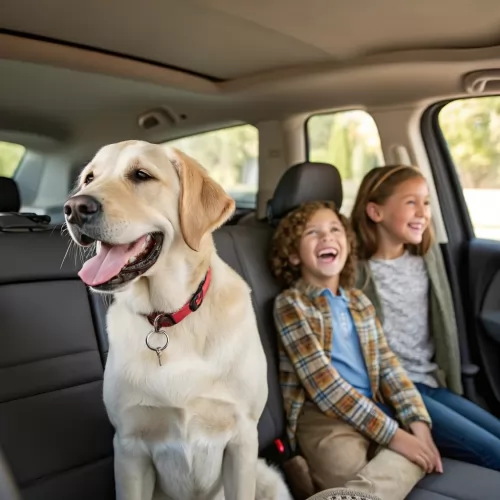
Bottom Line : Happy Trips:
Traveling with your dog can be a joyful experience with proper planning and preparation. By selecting the right breed, ensuring their health is in top shape, getting them used to their travel gear and packing the necessary supplies, you can ensure that both you and your furry friend have a positive journey. With a little patience, the right precautions and some thoughtful travel strategies, your dog can be the perfect companion for your next adventure.
Happy travels with your four-legged friend!