 Yoranian is originated from United States but Kars Dog is originated from Turkey. Yoranian may grow 60 cm / 23 inches shorter than Kars Dog. Yoranian may weigh 77 kg / 169 pounds lesser than Kars Dog. Both Yoranian and Kars Dog has almost same life span. Both Yoranian and Kars Dog has same litter size. Yoranian requires Low maintenance. But Kars Dog requires Moderate maintenance
History
The Yoranian is a mixed breed, hybrid or “designer” breed. They are a cross between the Pomeranian and the Yorkshire Terrier and are very small dogs. They were developed in Yorkshire, England in the 19th century. It is a very playful, family dog that is not registered with any pure breed club such as the American Kennel Club or AKC.
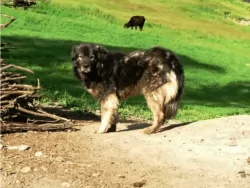 The Kars Dog is found in Turkey, hailing more specifically from the Kars province, after which it is named. He actually has a long history of at least 600 years.
Referred to as a Molosser, the dog is still used to this day for shepherding livestock. There are many varieties and sizes of the dog, with the most common Kars type being similar to the Nagazi variant of the Caucasian Shepherd Dog.
Basic Information
Origin:
United States
Turkey
Weight Male:
60 - 80 kg
132 - 177 pounds
Weight Female:
60 - 80 kg
132 - 177 pounds
Life Span:
12 - 14 Years
10 - 12 Years
Other Names:
Yorky Pom • Yorkie Pom • Yorkie-Pom • Yorki-pom • Yorkipom • Yoranian Terrier • Porkie • Pom-Yorkie
Kars Turkish Shepherd, Caucasian
Colors Available:
crcream to apricot
Reddish brown, grey, black - mixed colors
Coat:
thin Thick, short/medium, shiny, wirehaired double coat
short or long-haired variety
Shedding:
Moderate
Moderate
Temperament:
Curious, Energetic, Intelligent, Loving
Affectionate, Aggressive, Alert, Cheerful, Courageous, Curious, Energetic, Friendly, Independent, Intelligent, Lively, Loving, Loyal, Outgoing, Playful, Protective, Responsive, Social, Stubborn, Territorial
Grooming:
Low maintenance
Moderate maintenance
Trainability:
Easy
Moderate
New Owners Friendly:
Yes
Yes
Description
The Yoranian is a toy breed, as are both its founding breeds. It checks in at only 7 pounds and stands only 6-10 inches tall. It can have medium or long fur in any combination of the parent’s colors including tan, black, blue or white. They have small ears that stand upright and erect, a small muzzle, medium tail and large round eyes. They can be long and slender like the Yorkshire Terrier or barrel shaped like the Pomeranian.
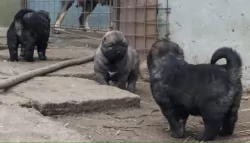 Large and heavy, the Kars Dog is strong, with a large head and broad chest. The height of the dog at the withers is 60 to 90cm and he weighs in at roughly 60 - 80kg.
At one time the ears were cropped but they are left these days and then they are of medium length and floppy. The coat varies too in terms of length and color - short to longer variety coats. The coat can be a solid color or it can have patterns. You’ll find reddish brown dogs, grey and black dogs as well as dogs with a mix of colors.
Temperament:
The Kars is an aggressive, territorial dog, but with the correct training, socialization and upbringing, it can be a loving, amicable family pet.
Known also as the Kars Turkish Shepherd or Kars shepherd, he makes an ideal guarding dog as he is brave and devoted to those he is protecting. He is cautious and even unfriendly towards people he doesn’t know, and it is thought that because of his robustness, it might not be a good idea to leave him unsupervised with small children.
Nonetheless with training and socialization, the Kars is capable of being a super pet for all members of the family. Training him won’t be that easy as he is large and strong-willed, but the training will provide him with some basic good manners.
He will require a firm, confident owner and will require living in a home with a big garden or in the countryside as he requires a good amount of exercise.
Characteristics
1.Children friendliness absolutely but monitor so that the dog does not get hurt. They are fragile.
2.Special talents – high energy and lots of enthusiasm
3.Adaptability – very adaptable small apartments are great.
4.Learning ability very high gets bored easily
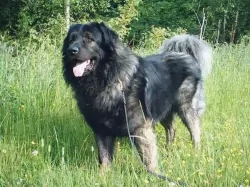 The Kars is a large dog and because of his past where he used to guard livestock, he is a dog used to wide open spaces. He will require a home with a good sized garden and a family who exercises him frequently.
With the right kind of care, the Kars is able to strongly bond with his human family, taking his role as guardian and protector very well. He is alert and smart and that is why he will need training and socialization and a firm, fair human owner. He will then become a loving, devoted companion.
Health Problems
The Yoranian has some medical challenges such as:
• A very fragile neck and back. They can be hurt easily.
• Low Blood Sugar must be monitored.
• Eye irritations and dry eyes without enough tear production.
• Dental issues with decay and loss of teeth.
• Patellar Luxation of slipped kneecaps causing lameness.
• Retinal Atrophy can lead to blindness.
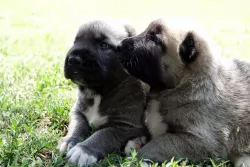 The Kars is generally healthy and long-lived, being able to reach 12 years of age with ease if cared for properly. Every dog, even the most healthiest ones, will have some health issues, and with a large dog like this, it is hip dysplasia, obesity, cancer and heart problems.
Heart Problems:
Coughing is a symptom of different illnesses, with one of them being heart disease. If your dog is still coughing after several days, its time to see the vet.
When your dog hasn’t exercised, you’ll see him battling to breathe or the breathing will be rapid. He’ll be reluctant to walk and play too and may be disinterested in his food. Edema, the swelling of body tissues is also a sign of heart disease.
Caring The Pet
1 Feeding the puppy don’t overfeed and feed small pieces of toy dog food. 3-4 x per day ¼ cup daily
2.Feeding the adult don’t overfeed/ high quality adult toy dog food. Make sure pieces are small. ¼ to ½ cup daily
3.Points for Good Health – lots of energy and enthusiasm
4. Games and Exercises high energy and enthusiasm at least 2 walks a day.
loves to play inside
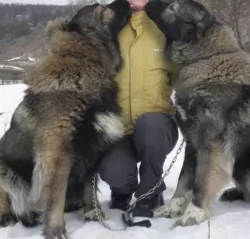 Your Kars dog can be a wonderful addition to your home, but you need to know how to care for a big dog before you get carried away and add a large puppy breed to your family.
Too many people buy a cute bundle of fur and get rid of it when he is no longer a cute puppy. Before you bring a giant breed dog into your home, take note of some useful tips to keep him in tip top condition -
Diet:
If you bring a puppy home, he’ll need to be fed 4 times a day with special puppy food. There are excellent commercially manufactured puppy foods on the market and you will need to get the one that caters for ‘large- or giant puppy breeds’, as the Kars is a very big dog.
As your dog reaches adulthood you’ll feed him less. If in any doubt as to the kind of food to give your dog to maintain good health, speak to your vet.
Exercise:
Every dog will need exercise to keep him trim and fit but to also stimulate their minds. Providing your Kars dog with exercise such as walks and ball games will also ensure he doesn’t become bored.
General Care:
Your pet will need a nice quiet, warm, dry place to sleep and rest. If he is an outdoor dog during the day, make sure that he has a place to rest in the shade. Make sure he has a non-stop supply of fresh, cool water too that is placed in a cool, reachable spot.
Grooming:
Your large pet is an average shedder and to keep his thick coat in tip top condition, you want to be sure to brush him at least twice a week.
Comparison with other breeds
- Yoranian vs Yorkshire Terrier - Breed Comparison
- Yoranian vs Chihuahua - Breed Comparison
- Yoranian vs Morkie - Breed Comparison
- Yoranian vs Havanese - Breed Comparison
- Yoranian vs Chorkie - Breed Comparison
- Yoranian vs Pekingese - Breed Comparison
- Yoranian vs Chinese Crested Dog - Breed Comparison
- Yoranian vs Chiweenie - Breed Comparison
- Yoranian vs Chug - Breed Comparison
- Yoranian vs Affenpinscher - Breed Comparison
- Yoranian vs Brussels Griffon - Breed Comparison
- Yoranian vs Chipoo - Breed Comparison
- Yoranian vs Chiapom - Breed Comparison
- Yoranian vs English Toy Terrier (Black & Tan) - Breed Comparison
- Yoranian vs Long Haired Chihuahua - Breed Comparison
- Yoranian vs Bichon Bolognese - Breed Comparison
- Yoranian vs Russian Toy Terrier - Breed Comparison
- Yoranian vs Franzuskaya Bolonka - Breed Comparison
- Yoranian vs Phalene - Breed Comparison
- Yoranian vs Bugg - Breed Comparison
- Yoranian vs Cockachon - Breed Comparison
- Yoranian vs Shih Tzu - Breed Comparison
- Yoranian vs Silky Terrier - Breed Comparison
- Yoranian vs Snorkie - Breed Comparison
- Yoranian vs Toy Bulldog - Breed Comparison
- Newfoundland Dog vs Kars Dog - Breed Comparison
- Leonberger vs Kars Dog - Breed Comparison
- Pyrenean Mastiff vs Kars Dog - Breed Comparison
- Moscow Watchdog vs Kars Dog - Breed Comparison
- Spanish Mastiff vs Kars Dog - Breed Comparison
- St. Bernard vs Kars Dog - Breed Comparison
- Kars Dog vs Bernese Mountain Dog - Breed Comparison
- Kars Dog vs Anatolian Shepherd - Breed Comparison
- Kars Dog vs Alaunt - Breed Comparison
- Kars Dog vs Alangu Mastiff - Breed Comparison
- Kars Dog vs Bisben - Breed Comparison
- Kars Dog vs Ciobanesc de Bucovina - Breed Comparison
- Moscow Water Dog vs Kars Dog - Breed Comparison
- Neapolitan Mastiff vs Kars Dog - Breed Comparison
- Mountain Burmese vs Kars Dog - Breed Comparison
- Nebolish Mastiff vs Kars Dog - Breed Comparison
- Scottish Deerhound vs Kars Dog - Breed Comparison
- Shiloh Shepherd vs Kars Dog - Breed Comparison
- Kars Dog vs Great Dane - Breed Comparison
- Kars Dog vs English Mastiff - Breed Comparison
- Kars Dog vs American Mastiff - Breed Comparison
- Kars Dog vs Bully Kutta - Breed Comparison
- Kars Dog vs Irish Wolfhound - Breed Comparison
- Kars Dog vs Francais Blanc et Orange - Breed Comparison
- Kars Dog vs Gaddi Kutta - Breed Comparison
 MyDogBreeds