 MyDogBreeds
Akita Inu is originated from Japan but American Molossus is originated from United States. Both Akita Inu and American Molossus are having almost same height. Akita Inu may weigh 9 kg / 19 pounds lesser than American Molossus. Both Akita Inu and American Molossus has almost same life span. Both Akita Inu and American Molossus has almost same litter size. Both Akita Inu and American Molossus requires Moderate maintenance.
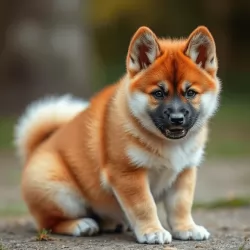 The Akita Inu, originating from Japan's snowy Akita Prefecture, has a long-standing legacy as a powerful hunting dog and loyal companion. Bred in the 1600s to track large game like boar and bear, the Akita quickly earned its place among Japanese nobility as a guardian and symbol of courage.
Its dignified nature and unwavering loyalty were immortalized in the true story of Hachikō, an Akita who waited nearly a decade for his deceased owner at a Tokyo train station. This devotion captured national and global admiration, leading to the breed’s recognition as a national treasure in Japan.
After World War II, American soldiers introduced Akitas to the West, giving rise to a larger, more robust variation known as the American Akita. Today, the Akita Inu remains a cherished breed worldwide for its strength, loyalty, and quiet dignity.
Based on the massive dog of Mesopotamia in 5000 BC, the American Molossus is the same dog recreated in the United States by and for the lovers of these giant dogs. The ancient Molossus was fierce to look at, massive in size, courageous and loyal. He was undaunted by any animal and stood up to any man attempting to hurt his master. When Rome fell the descendants of today’s Molossus were scattered and attempts to revive the breed have created carious large dogs. The American Molossus is the first true recreation that hits the mark.
The original Molossus was one of the most primitive of dogs, one of the earliest dogs that men domesticated. Their initials duties were the guarding of herds and homes against all enemies. They were incredibly loyal to their one master and stayed with him and protected him. These dogs also ate carrion and served the villages by eliminating animal carcasses. They could handle any other hunting animals such as wolves and large cats. This dog, although extinct was the ancestor of all the Mastiff-type dogs of today. The Molossus is said to be the ancestor of the St. Bernard, English Mastiff, Greater Swiss Mountain Dog, Bernese Mountain Dog, Newfoundland, Great Dane, Great Pyrenees, Rottweiler, Rottweiler and the Neapolitan Mastiff. Now these breeds have become the ancestry of the American Molossus.
According to Marcus Curtis, the founder of the new Molossus, the nearest relative of the American Molossus is the Neapolitan Mastiff. The Hines Bulldog, German Rottweiler, American Bandogge, and South African Boerboel together with the Neapolitan Mastiff were used to form the American Molossus. The goal of the founder was to make a great family pet and protector. It was specifically bred to be courageous, loyal and protective.
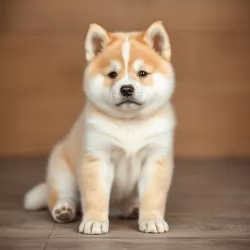 The Akita Inu is a large, powerful, and dignified dog breed known for its striking appearance, quiet nature, and unwavering loyalty.
Originating from Japan, it has a broad head, erect triangular ears, and a plush double coat that comes in red, white, brindle, or sesame, with characteristic urajiro (whitish markings). The Akita carries itself with pride and confidence, often aloof with strangers but deeply affectionate and protective toward its family.
Calm, intelligent, and strong-willed, the breed requires early socialization and firm, consistent training. Though not ideal for first-time owners, the Akita Inu is a loyal guardian and devoted companion for those who understand and respect its independent spirit.
This is a giant, massive dog in every way and this recently developed standard makes that very clear. The Molossus should be heavy bones, muscular with a lot of loose skin and wrinkles of all kinds, everywhere. He is an intimidating presence, with a massive square head, broad shoulders, height and mass. No, the American Molossus is not athletic, but he certainly is intimidating.
His head is massive in comparison to his body and it must be square. He has extensive wrinkles and pendulous lips and dewlap. The face is all folds of skin and wrinkles. Deep set eyes, drooping upper lids and lower lids as well as an intimidating expression. His brow is well developed with a marked frontal furrow. The nose is large, and the muzzle is about a third of the length of its head. It is short and broad. Everything about the head must be square. It’s neck and body are powerful and muscular. The chest is deep, wide and barrel like. The back is also powerful and muscular. The front legs are heavy and muscular while the hind legs are broad, strong, powerful and wide-stance. Do not remove the front dew claws. His tail is thick and wide then gradually tapers at the tip.
 The Akita Inu is a large, noble, and powerful breed known for its dignified presence, strong loyalty, and quiet confidence. Originally bred for hunting and guarding, Akitas are naturally protective, courageous, and independent thinkers.
They form deep bonds with their family but are often aloof with strangers. Calm and clean by nature, they rarely bark without reason and carry themselves with elegance and strength.
Their double coat is thick and weather-resistant, requiring regular grooming, and they shed heavily, especially seasonally.
While intelligent, Akitas can be stubborn, so they thrive best with experienced owners who can offer consistent training and leadership. With proper care and socialization, the Akita Inu is a devoted, majestic companion.
The American Molossus is an intimidating massive giant bred for protection and guard duty. He is incredibly loyal to his family and courageous in his protection of them. They are guard dogs, not attack dogs. Their simple appearance is usually enough to frighten off anyone intending harm on their families. He is in reality a loving giant. He is intelligent and stable with a strong desire to please his owner. He is a calm yet vigilant presence in the home.
Because the Molossus is so large, it is recommended that the puppy be socialized and trained professionally. It takes a strong owner to handle this breed. They need to know the rules and have the rules consistently applied. The owner must be the pack leader.
 The Akita Inu is generally a strong and resilient breed, but it is prone to several genetic and breed-specific health issues.
Common concerns include hip and elbow dysplasia, progressive retinal atrophy (PRA), and hypothyroidism, all of which can affect mobility, vision, and metabolism.
The breed is also susceptible to autoimmune disorders like VKH-like syndrome and sebaceous adenitis, a skin condition causing hair loss and irritation. Additionally, Akitas may experience bloat (gastric torsion), a life-threatening emergency common in deep-chested dogs.
Regular veterinary care, proper diet, and responsible breeding practices are essential to help minimize health risks and ensure a long, healthy life.
Like all Mastiffs the American Molossus faces a variety of potential illnesses, some brought on by its size, some not.
This could easily be a function of its massive size. It is a degenerative disease and can cause the dog to become lame. In many cases the vertebrae can fuse, or severe pain can result. This is mostly seen in older members of the breed.
Male Molossus can contract this inherited metabolic disease primarily. It can be life threatening and very serious as it affects the kidney and the bladder.
This is essentially Cervical Vertebral Instability (CVI) and is caused by the pressure of the nerves in the neck and cervical spinal cord. This compression can cause deformity, pain and abnormal stance/gait. IT has been attributed to the nutrition needs and rapid growth of the Mastiff breeds.
Like all giant Mastiff breeds the Molossus can have skin issues from the wrinkles, dysplasia in the joints which we will address below.
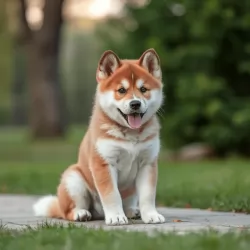 Caring for an Akita Inu involves commitment, consistency, and understanding of the breed's unique needs. They require regular grooming, especially during seasonal shedding, with brushing at least 2–3 times a week and daily during coat blow periods.
Akitas thrive on routine exercise, such as long walks or playtime in a secure area, but they aren’t overly energetic. Training and socialization should start early, using positive reinforcement and calm, firm leadership to manage their independent and protective nature.
They are best suited to homes where they are the only pet or properly introduced to others. Akitas are clean, quiet, and typically bond closely with their family, so providing mental stimulation, affection, and clear boundaries is key.
Regular vet checkups, a balanced diet, and proper social interaction help keep your Akita healthy, happy, and well-adjusted.
Remembering that this is a very, very large dog you need to be careful about nutrition and how fast your puppy will grow. American Molossus puppies need four meals a day until 12 weeks old. Then until they are 6 months old feed then 3 times a day. Finally, from 6-month-old puppy to adult – feed them twice in 24 hours.
At one year either feed them once or two small meals.
Many people feed their Molossus eggs, vegetables, fruit, and cottage cheese as ten 5 of the total for the day but avoid other table foods. The Molossus can become very picky about what he eats if you feed him too many table scraps.
In addition to the health problems listed above, the American Molossus is also susceptible to: Ditichiasis – Eyelashes that are in the margin of the eyelids and can cause eye irritation. May require surgery to correct.
Could cause blindness if not removed. Ectropian/Entropion: Eversion and inversion of eyelids which cause ocular irritation.
This is a degenerative disease which causes the dog to go blind. It is a disease the affects the retinal visual cells, first causing night blindness then day blindness. A DNA test is available for detecting PRA in all Mastiff breeds.
Common in large breeds and especially in giant breeds like the Molossus. Multiple forms and causes but all can cause pain and lameness.
Do to wrinkles and loose skin – check often for moisture and infections.
The is a problem based on a variety of possible causes. It happens when the puppy is between 6-16 months of age. Lameness occurs over time in one limb or in all. It can be intermittent and might be caused by diet, genetics, stress, autoimmune or metabolic issues or infection.
This issue is developmental as the dog’s toes turn either inward or outward, then as the condition advances the dog suffers fever, pain in all joints, lethargy and the inability to stand. This happens when the dog consumes too many calories for his activity level in the development times.
The American Molossus is not a couch potato. He needs to be walked at least twice a day and loves to play fetch. He will be greatly benefited by obedience training. Do not overdo it with exercise but make sure they don’t just lay around.