 MyDogBreeds
 Akita Inu is originated from Japan but Boxer is originated from Germany. Akita Inu may grow 8 cm / 4 inches higher than Boxer. Akita Inu may weigh 7 kg / 16 pounds more than Boxer. Both Akita Inu and Boxer has same life span. Both Akita Inu and Boxer has almost same litter size. Akita Inu requires Moderate maintenance. But Boxer requires Low maintenance
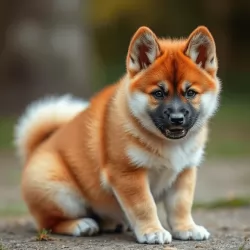 The Akita Inu, originating from Japan's snowy Akita Prefecture, has a long-standing legacy as a powerful hunting dog and loyal companion. Bred in the 1600s to track large game like boar and bear, the Akita quickly earned its place among Japanese nobility as a guardian and symbol of courage.
Its dignified nature and unwavering loyalty were immortalized in the true story of Hachikō, an Akita who waited nearly a decade for his deceased owner at a Tokyo train station. This devotion captured national and global admiration, leading to the breed’s recognition as a national treasure in Japan.
After World War II, American soldiers introduced Akitas to the West, giving rise to a larger, more robust variation known as the American Akita. Today, the Akita Inu remains a cherished breed worldwide for its strength, loyalty, and quiet dignity.
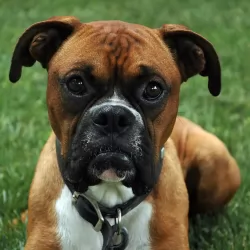 In the late 19th century boxer was developed in Germany. It is a part of the Molosser dog group. The breed Brabanter Bullenbeisser is said to be the ancestor of the Boxer. He got the name Boxer as he stands with his back legs and does like a boxer do. In 1895 the breed came to a dog show by three germans named Friedrich Robert, Elard Konig and Hopner. In 1896 they founded the first boxer club as Deutscher Boxer Club. In 1902 the first Boxer breed standard was published by the club. The breed was introduced to United States in 20th century. The boxer involved in military work and also worked as a messenger dog. After 2nd world war they became popular as the soldiers brought them and introduced.
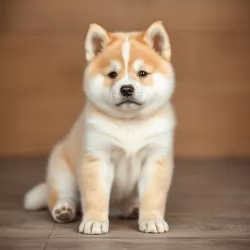 The Akita Inu is a large, powerful, and dignified dog breed known for its striking appearance, quiet nature, and unwavering loyalty.
Originating from Japan, it has a broad head, erect triangular ears, and a plush double coat that comes in red, white, brindle, or sesame, with characteristic urajiro (whitish markings). The Akita carries itself with pride and confidence, often aloof with strangers but deeply affectionate and protective toward its family.
Calm, intelligent, and strong-willed, the breed requires early socialization and firm, consistent training. Though not ideal for first-time owners, the Akita Inu is a loyal guardian and devoted companion for those who understand and respect its independent spirit.
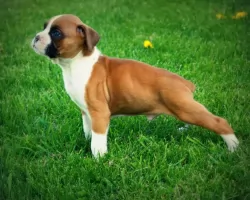 Boxer is a breed which is medium in size and has short hair. They have very strong jaws as to hunt large prey even hanging on biting them. It belongs to the working group. Boxers are well known for their love and faithfullness. Also he is very intelligent and its cleanliness makes him to be good dog for home. They are very energetic and are playful in nature. When boxers where trained by giving reward to them it is sure that they will perform its best. Normally they like to have good companionship with humans and smaller dogs.
They are incredible in their alertness and well suitable for watchdog. Boxers will be playful and silly till 3 years as they will mature after that only. They require only a minimum amount of grooming. They are suitable for apartment living until they are with their owners. Boxer owners will be sure to enjoy its clownish behaviour. They will be excited many time and show that by spinning in circles and making a sound which the owner will understand that he is happy or he needs some thing which is in the hands of his owner.
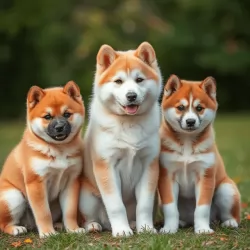 The Akita Inu is a large, noble, and powerful breed known for its dignified presence, strong loyalty, and quiet confidence. Originally bred for hunting and guarding, Akitas are naturally protective, courageous, and independent thinkers.
They form deep bonds with their family but are often aloof with strangers. Calm and clean by nature, they rarely bark without reason and carry themselves with elegance and strength.
Their double coat is thick and weather-resistant, requiring regular grooming, and they shed heavily, especially seasonally.
While intelligent, Akitas can be stubborn, so they thrive best with experienced owners who can offer consistent training and leadership. With proper care and socialization, the Akita Inu is a devoted, majestic companion.
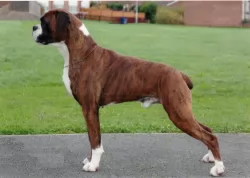 They are good kid friendly dogs. He is famous for his alertness and thus a wonderful watchdog. He loves to play with children. The nature of dog varies according to the heredity and society. The temperaments of the parents will effect in the puppy. Boxer is a friendly companion and loves to be with its family all the time and play with them.
Boxers are good for apartment living provided they are taken for a walk and exercised daily. It will be good if anyone stays with him always since he doesn't like being alone. He should be taken out only in a moderate weather as both hot and cold weather cannot be tolerated by him. He will suffer a lot in hot weather when compared with cold.
Training is necessary for them to refreshed physically and mentally. Boxer is a quick learner and rewarding them will make them more interested in doing it. Training should be started from basic commands like sit, stay and come. Boxer should be trained to not jump on visitors who come. They are very energetic and powerful and are eager to learn if properly taught.
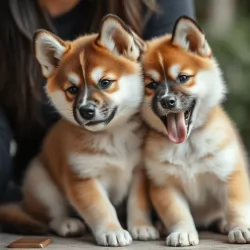 The Akita Inu is generally a strong and resilient breed, but it is prone to several genetic and breed-specific health issues.
Common concerns include hip and elbow dysplasia, progressive retinal atrophy (PRA), and hypothyroidism, all of which can affect mobility, vision, and metabolism.
The breed is also susceptible to autoimmune disorders like VKH-like syndrome and sebaceous adenitis, a skin condition causing hair loss and irritation. Additionally, Akitas may experience bloat (gastric torsion), a life-threatening emergency common in deep-chested dogs.
Regular veterinary care, proper diet, and responsible breeding practices are essential to help minimize health risks and ensure a long, healthy life.
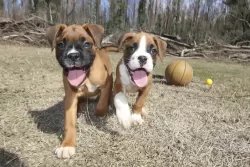 The major health problems Boxers get includes Cancer, heart problems such as Aortic stenosis, Gastric dilatation and intestinal problems. Infection is the major problem in puppies. Boxers are also in a risk of getting degenerative myelopathy which is a neurologic problem. Allergies and skin problems are also a problem in them. It is difficult to recognize a growing puppy to be free from all diseases and the only thing we can do is to buy the puppy from a reputable breeder.
Boxers may lose their hair due to some diseases and conditions. When some materials such as nickel, rubber and wool are accidentally touched by them it may cause allergies and hairfall follows it. Some auto immune disorders leads to hairfall. Due to some inhalation of pollen or house dust the problem may happen. Some bacterial infection and hormonal problems may also leads to hairfall.
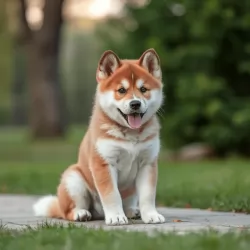 Caring for an Akita Inu involves commitment, consistency, and understanding of the breed's unique needs. They require regular grooming, especially during seasonal shedding, with brushing at least 2–3 times a week and daily during coat blow periods.
Akitas thrive on routine exercise, such as long walks or playtime in a secure area, but they aren’t overly energetic. Training and socialization should start early, using positive reinforcement and calm, firm leadership to manage their independent and protective nature.
They are best suited to homes where they are the only pet or properly introduced to others. Akitas are clean, quiet, and typically bond closely with their family, so providing mental stimulation, affection, and clear boundaries is key.
Regular vet checkups, a balanced diet, and proper social interaction help keep your Akita healthy, happy, and well-adjusted.
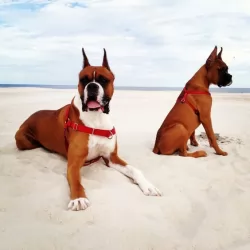 Normally puppies require more food than adults to meet their energy requirement for growth. They should be fed in a correct time interval. The puppy food for large dogs must be chosen for their health. Boxer puppies must be fed twice in a day and two cups of food will be better for them for one time. Upto 6 months this method is recommended. Feeding them by dividing the meals into smaller portion will be good since they will eat too much and very fast. Weight of the puppy should be checked regularly and food should be given according to that.
The food given to the boxer will effect in the dog's health and its life span too. Also it should match our budget also. Overfeeding will make them overweight and thus bringing harm to them. It is recommended to feed boxer two times a day to avoid bloat. Food should be given such that the dog completely eats it and if they can't eat completely then the balance food must be thrown away to avoid over eating. They should not be given food while we eat even once as it will develop begging behaviour in them.
Boxers are not suitable for living in outdoors, since they have short coats and short noses. But they like to play in a fenced yard. It is recommended to make them walk for half an hour twice a day. Playing flyball with them will make them happy and making him exercised will give him a good behaviour.