 MyDogBreeds
 Akita Inu is originated from Japan but Anglo-Francais de Petite Venerie is originated from France. Both Akita Inu and Anglo-Francais de Petite Venerie are of same height. Akita Inu may weigh 19 kg / 42 pounds more than Anglo-Francais de Petite Venerie. Both Akita Inu and Anglo-Francais de Petite Venerie has almost same life span. Both Akita Inu and Anglo-Francais de Petite Venerie has almost same litter size. Akita Inu requires Moderate maintenance. But Anglo-Francais de Petite Venerie requires Low maintenance
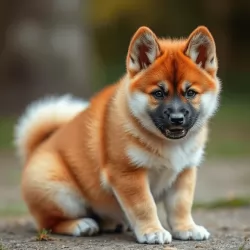 The Akita Inu, originating from Japan's snowy Akita Prefecture, has a long-standing legacy as a powerful hunting dog and loyal companion. Bred in the 1600s to track large game like boar and bear, the Akita quickly earned its place among Japanese nobility as a guardian and symbol of courage.
Its dignified nature and unwavering loyalty were immortalized in the true story of Hachikō, an Akita who waited nearly a decade for his deceased owner at a Tokyo train station. This devotion captured national and global admiration, leading to the breed’s recognition as a national treasure in Japan.
After World War II, American soldiers introduced Akitas to the West, giving rise to a larger, more robust variation known as the American Akita. Today, the Akita Inu remains a cherished breed worldwide for its strength, loyalty, and quiet dignity.
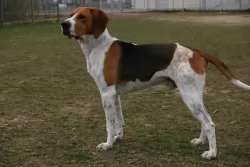 The Anglo-Francais de Petite Venerie is one of the oldest scent hunting dogs around. A crossbreed between the French Hounds and the English hunting dogs, the Anglo-Francais de Petite Venerie is believed to be an offspring of several famous dogs such as the Beagles, the Poitevins, and the Petit Gascon-Sainttongeois.
Although the genesis of this dog breed is somewhat unclear, a majority of the sources believe that it was developed in the 16th century at a time when written records of dog breeding never existed. Throughout the 16th to the 17th centuries, the Anglo-Francais de Petite Venerie became a treasured dog breed thanks to the rise of hunting games among European nobles. As the sport thrived in England and especially in France, the need to own the Anglo-Francais de Petite Venerie became paramount leading to this dog breed’s popularity. Formerly known as the Petit Anglo-Francais, this dog breed was changed to its current name in 1978 before being admitted to the United Kennel Club in 1996.
 The Akita Inu is a large, powerful, and dignified dog breed known for its striking appearance, quiet nature, and unwavering loyalty.
Originating from Japan, it has a broad head, erect triangular ears, and a plush double coat that comes in red, white, brindle, or sesame, with characteristic urajiro (whitish markings). The Akita carries itself with pride and confidence, often aloof with strangers but deeply affectionate and protective toward its family.
Calm, intelligent, and strong-willed, the breed requires early socialization and firm, consistent training. Though not ideal for first-time owners, the Akita Inu is a loyal guardian and devoted companion for those who understand and respect its independent spirit.
 The Anglo-Francais de Petite Venerie is a dog breed that resembles a Beagle. Developed in France, this scent hound has served as a hunting dog for centuries making it an athletic breed with unusual characteristics. Their chests are narrow and deep while the heads are smaller as compared to the rest of the body. The eyes are brown and dark while the tails are medium in size. The limbs are tall, straight, and muscular while their steady necks and broad muzzles are an indication that these dogs are surely bred for hunting purposes.
Since Anglo-Francais de Petite Venerie are athletic dogs, you will, of course, expect their overall weight to be lesser as compared to most other breeds. These dogs have a short, dense coat that’s easy to groom. With a life expectancy of about 13 years, these breeds are generally healthy and quite easy to maintain. The only major problem these scent hounds experience is a hip and elbow dysplasia which will require you to inspect them for injuries upon returning home from their line of duty.
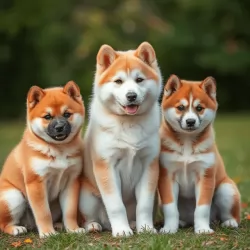 The Akita Inu is a large, noble, and powerful breed known for its dignified presence, strong loyalty, and quiet confidence. Originally bred for hunting and guarding, Akitas are naturally protective, courageous, and independent thinkers.
They form deep bonds with their family but are often aloof with strangers. Calm and clean by nature, they rarely bark without reason and carry themselves with elegance and strength.
Their double coat is thick and weather-resistant, requiring regular grooming, and they shed heavily, especially seasonally.
While intelligent, Akitas can be stubborn, so they thrive best with experienced owners who can offer consistent training and leadership. With proper care and socialization, the Akita Inu is a devoted, majestic companion.
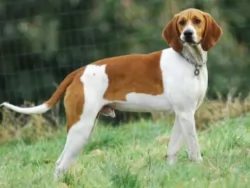 Anglo-Francais de Petite Venerie are non-aggressive, stubborn but tolerable dogs that work well with kids. However, proper training and socialization must be conducted to ensure that these dogs don’t cause harm to your kids.
The Anglo-Francais de Petite Venerie is not a shy pet. These dog breeds do make a perfect companion especially due to their hunting characteristics. They can get along well with new owners and should be kept with a same-breed companion to reduce nervousness.
When it comes to their adaptability, Anglo-Francais de Petite Venerie are better suited to be working dogs over being kept indoors. They are therefore suited to farm settings or rural areas where there’s vast track of lands to play and exercise.
Finally, the Anglo-Francais de Petite Venerie is not suited to everyone. This is because this dog breed is quite stubborn and unable to follow orders like most indoor pets do.
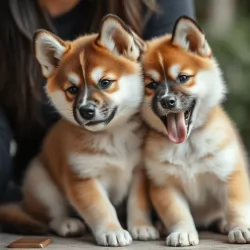 The Akita Inu is generally a strong and resilient breed, but it is prone to several genetic and breed-specific health issues.
Common concerns include hip and elbow dysplasia, progressive retinal atrophy (PRA), and hypothyroidism, all of which can affect mobility, vision, and metabolism.
The breed is also susceptible to autoimmune disorders like VKH-like syndrome and sebaceous adenitis, a skin condition causing hair loss and irritation. Additionally, Akitas may experience bloat (gastric torsion), a life-threatening emergency common in deep-chested dogs.
Regular veterinary care, proper diet, and responsible breeding practices are essential to help minimize health risks and ensure a long, healthy life.
 The Anglo-Francais de Petite Venerie is known to be a generally healthy dog with very few health concerns. We think the reason why it’s a healthy dog is due to its athletic characteristic and medium-sized body which is not prone to problems as compared to its large-sized contemporaries. However, since this scent hound is a cross-breed between two well-known breeds, there are chances that it might suffer from several health problems that mostly affect closely related breeds. Some of these health issues include;
The hip and elbow dysplasia is a skeletal condition that occurs when the hip or elbow joints fail to develop properly. This condition is very painful and is most common in large breeds such as the St. Bernard, Great Dane, and the German Shepherd. Although the main causes of this condition include; poor nutrition, obesity, lack of exercise, and excessive growth, hereditary issues are very common and can’t be ruled out.
Another health condition you need to watch out for is the demodectic mange. An inflammatory disease caused by various types of mites, the mange can become intolerable in case the number of mites inhabiting your dog’s hair follicles become exorbitant. Among the common signs you’ll expect to see include; redness on the skin, alopecia, and problems with the immune system. To tackle this problem, pet owners will need to groom their dogs more often by digging deep into the skin to identify the mites.
Cataract is a normal eye condition that affects the eye lens causing it to lose its transparency resulting in impaired vision and later blindness. Although this condition is viewed as a byproduct of aging, some dog breeds such as the Anglo-Francais de Petite Venerie are most likely to suffer from this health condition. A common treatment for this condition may include; applying eye drops to help prevent inflammation, surgery or treatment of the underlying factor.
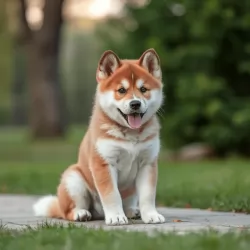 Caring for an Akita Inu involves commitment, consistency, and understanding of the breed's unique needs. They require regular grooming, especially during seasonal shedding, with brushing at least 2–3 times a week and daily during coat blow periods.
Akitas thrive on routine exercise, such as long walks or playtime in a secure area, but they aren’t overly energetic. Training and socialization should start early, using positive reinforcement and calm, firm leadership to manage their independent and protective nature.
They are best suited to homes where they are the only pet or properly introduced to others. Akitas are clean, quiet, and typically bond closely with their family, so providing mental stimulation, affection, and clear boundaries is key.
Regular vet checkups, a balanced diet, and proper social interaction help keep your Akita healthy, happy, and well-adjusted.
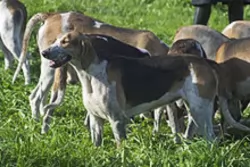 The Anglo-Francais de Petite Venerie puppies need to be fed with excellent-quality dog food to provide a balanced nutrition for precise growth. For puppies between 8 and 12 months, 4 bowls of food a day will be enough. Puppies ranging from 3 to 6 months old should be given at list 3 meals in 24 hours period. Always feed your puppies with top quality puppy foods to avoid any possible nutritional defects. Dry food mixed with canned food, broth, or water is perfect for puppies.
When your Anglo-Francais de Petite Venerie has reached maturity, it will be best that you feed him once in each day. Always go for the best dog food to ensure that you feed him with proper nutrition. Other meals you can incorporate (but in small quantities) are cooked eggs, fruits, veggies, and cottage cheese.
The Anglo-Francais de Petite Venerie should be fed with excellent-quality food to avoid various health problems such as tooth and bone concerns. Since these breeds are prone to hip dysplasia, regular veterinary check-ups should be observed at all times.
The Anglo-Francais de Petite Venerie is an athletic dog breed that requires regular physical activity to stay in good shape. Following the footsteps of their ancestors, these dogs are hunting dogs despite the fact that some people prefer keeping them indoors as pets. To eliminate boredom, it’s wise that you set aside some time on a daily basis to exercise your dog as well as take a walk down the streets or around the park.