 MyDogBreeds
 Akita Inu is originated from Japan but Austrailian Blue Heeler is originated from Australia. Akita Inu may grow 21 cm / 9 inches higher than Austrailian Blue Heeler. Akita Inu may weigh 23 kg / 51 pounds more than Austrailian Blue Heeler. Both Akita Inu and Austrailian Blue Heeler has almost same life span. Akita Inu may have more litter size than Austrailian Blue Heeler. Akita Inu requires Moderate maintenance. But Austrailian Blue Heeler requires High maintenance
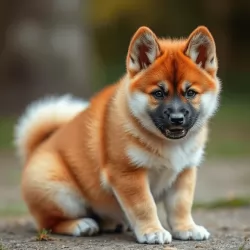 The Akita Inu, originating from Japan's snowy Akita Prefecture, has a long-standing legacy as a powerful hunting dog and loyal companion. Bred in the 1600s to track large game like boar and bear, the Akita quickly earned its place among Japanese nobility as a guardian and symbol of courage.
Its dignified nature and unwavering loyalty were immortalized in the true story of Hachikō, an Akita who waited nearly a decade for his deceased owner at a Tokyo train station. This devotion captured national and global admiration, leading to the breed’s recognition as a national treasure in Japan.
After World War II, American soldiers introduced Akitas to the West, giving rise to a larger, more robust variation known as the American Akita. Today, the Akita Inu remains a cherished breed worldwide for its strength, loyalty, and quiet dignity.
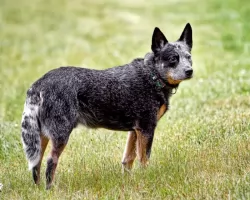 In 1840, George Elliott made a match with Australian Dingo and Collie and got a clever and very active dog breed – Australian Blue Heeler. Soon, he showed his good herding instincts and protective nature and got really popular among the cattlemen and ranchers. Soon, as the USA soldiers arrived in Australia, they decided that it will be a great dog to bring home.
Australian Blue Heeler has short, double coat. The coat is water resistant and helps them when the temperature is too high as well. Their coat is rough to the touch, naturally. They can be found in blue or red coat colour mix. The Blue Heeler isn’t actually blue, but their black coat has a bluish tint. Red Heelers have red fur instead of black. They have long tails, strong legs, Dingo-like heads with pointy ears and muscular necks and balanced and athletic bodies.
 The Akita Inu is a large, powerful, and dignified dog breed known for its striking appearance, quiet nature, and unwavering loyalty.
Originating from Japan, it has a broad head, erect triangular ears, and a plush double coat that comes in red, white, brindle, or sesame, with characteristic urajiro (whitish markings). The Akita carries itself with pride and confidence, often aloof with strangers but deeply affectionate and protective toward its family.
Calm, intelligent, and strong-willed, the breed requires early socialization and firm, consistent training. Though not ideal for first-time owners, the Akita Inu is a loyal guardian and devoted companion for those who understand and respect its independent spirit.
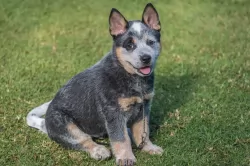 This breed is somehow designed for an outdoor life and outdoor activity. This implies that Blue Heelers have nature made of the high dose of energy. They are always ready to go anywhere you go, and they will be a loyal friend. They are actually very clever, intelligent and ready to help.
If you are a type of the person who prefers being indoors and having minimal physical activity, Blue heelers are not the type of a furry companion for you. They have a high daily need for the activity, and they love having lots of space to run and explore. Sometimes, you will realize that having a leash is a must because they will get so playful that they will forget about you!
If you start teaching them to be friendly with other dogs while they are still pups, they will accept that kind of lifestyle. But, if your Blue Heeler is raised as the only dog on the ranch, note that they won’t be very friendly toward other dogs.
Since most of the herd dogs usually respond to only one person, most of the Blue Heelers can follow this old instinct. They can be very independent, as well, and they are usually not the type of the dog that will always be around your leg waiting for a cuddle or ear scratch. But, they build the respect towards humans depending on how they treat him so they can be very lovable and friendly pets.
If you are still confused about their name, you must know that the Blue Heelers can actually lightly nip your heel for attention. They are not aggressive, but they tend to be very protective of the family, humans around them and their property.
 The Akita Inu is a large, noble, and powerful breed known for its dignified presence, strong loyalty, and quiet confidence. Originally bred for hunting and guarding, Akitas are naturally protective, courageous, and independent thinkers.
They form deep bonds with their family but are often aloof with strangers. Calm and clean by nature, they rarely bark without reason and carry themselves with elegance and strength.
Their double coat is thick and weather-resistant, requiring regular grooming, and they shed heavily, especially seasonally.
While intelligent, Akitas can be stubborn, so they thrive best with experienced owners who can offer consistent training and leadership. With proper care and socialization, the Akita Inu is a devoted, majestic companion.
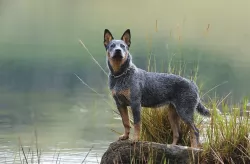 They are generally good with children, but you must be aware of their inherent desire to herd. Always supervise when your Blue Heeler is around small children.
Ball tricks, frisbee fun, running companion, herding cattle.
It is best to buy a puppy. These dogs get attached to one human and to the territory.
They are generally quick learners. If you teach them to be playful, friendly and loving, they will learn it in no time. So be aware of the decisions that can cost you when the dog grows up.
 The Akita Inu is generally a strong and resilient breed, but it is prone to several genetic and breed-specific health issues.
Common concerns include hip and elbow dysplasia, progressive retinal atrophy (PRA), and hypothyroidism, all of which can affect mobility, vision, and metabolism.
The breed is also susceptible to autoimmune disorders like VKH-like syndrome and sebaceous adenitis, a skin condition causing hair loss and irritation. Additionally, Akitas may experience bloat (gastric torsion), a life-threatening emergency common in deep-chested dogs.
Regular veterinary care, proper diet, and responsible breeding practices are essential to help minimize health risks and ensure a long, healthy life.
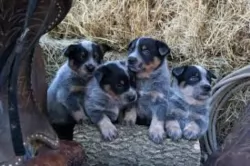 Progressive Retinal Atrophy usually causes slow and painless loss of sight. This process takes years, but there are cases where this disease took only months before the dog ended up completely blind.
It is advisable to take your Blue Heeler to the vet for a test that can tell you if your dog is carrying the gene for this disease.
Progressive Retinal Atrophy usually causes slow and painless loss of sight. This process takes years, but there are cases where this disease took only months before the dog ended up completely blind.
It is advisable to take your Blue Heeler to the vet for a test that can tell you if your dog is carrying the gene for this disease.
Lens luxation is a disease where the lens of dog’s eye separates partially or completely. Good news is that this disease can be treated.
Most common is the hip or elbow dysplasia. This is the disease where hip joints do not develop properly and begin to grind. This condition can sometimes be treated with physiotherapy, but there is a chance that your Blue Heeler will need a surgery. If you have a habit of regular vet checks and keeping your dog slim and fed with quality food, you can a make a big difference.
Osteochondritis Dissecans (OCD) causes the dog to have excess cartilage and deficient bone, where cartilage does not get replaced by bone during fetal development. This disease usually requires surgery and prescribed medicines.
Congenital hereditary sensorineural deafness – CHSD is a common form of deafness.
Bilateral deafness can be identified when the dog is still a puppy, more-less at six weeks of age. A puppy with deafness in only one ear is harder to identify, but it can happen.
Portosystemic shunt means that the blood flow is getting back into the bloodstream instead of passing through the liver. That means that liver can’t clear out the toxins, and the organ itself fails to grow properly. This inherited type of shunt can be treated with surgery if the diagnose is set on time.
 Caring for an Akita Inu involves commitment, consistency, and understanding of the breed's unique needs. They require regular grooming, especially during seasonal shedding, with brushing at least 2–3 times a week and daily during coat blow periods.
Akitas thrive on routine exercise, such as long walks or playtime in a secure area, but they aren’t overly energetic. Training and socialization should start early, using positive reinforcement and calm, firm leadership to manage their independent and protective nature.
They are best suited to homes where they are the only pet or properly introduced to others. Akitas are clean, quiet, and typically bond closely with their family, so providing mental stimulation, affection, and clear boundaries is key.
Regular vet checkups, a balanced diet, and proper social interaction help keep your Akita healthy, happy, and well-adjusted.
 Choose a dog food that will provide nutrients that will help in the bone developing. Since they are more likely to suffer from joint diseases, you must take this advice seriously. It would be great if you speak about this with your vet before you choose food on your own.
The best food for Blue Heeler is a high-quality food which supplies them with premium nutrition to fuel their activity.
They also drink a lot of water, so be sure that they always have a fresh water available.
Lots and lots of the outdoor activity and a quality food. You must be very cautious because this kind of dogs gets overweight easily because they just love the treats and extra food portion.
Any outdoor activity that is mentally challenging and interesting enough to keep them from running in the field trying to catch anything that moves.