 MyDogBreeds
 Akita Inu is originated from Japan but Australian Silky Terrier is originated from Australia. Akita Inu may grow 45 cm / 18 inches higher than Australian Silky Terrier. Akita Inu may weigh 33 kg / 73 pounds more than Australian Silky Terrier. Both Akita Inu and Australian Silky Terrier has same life span. Akita Inu may have more litter size than Australian Silky Terrier. Both Akita Inu and Australian Silky Terrier requires Moderate maintenance.
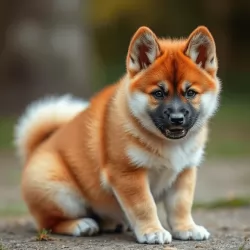 The Akita Inu, originating from Japan's snowy Akita Prefecture, has a long-standing legacy as a powerful hunting dog and loyal companion. Bred in the 1600s to track large game like boar and bear, the Akita quickly earned its place among Japanese nobility as a guardian and symbol of courage.
Its dignified nature and unwavering loyalty were immortalized in the true story of Hachikō, an Akita who waited nearly a decade for his deceased owner at a Tokyo train station. This devotion captured national and global admiration, leading to the breed’s recognition as a national treasure in Japan.
After World War II, American soldiers introduced Akitas to the West, giving rise to a larger, more robust variation known as the American Akita. Today, the Akita Inu remains a cherished breed worldwide for its strength, loyalty, and quiet dignity.
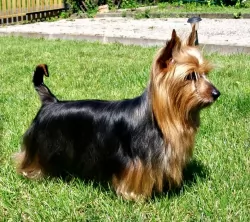 Many toy breeds have been bred for centuries and were kept as lap dogs and companion dogs. Known at first as ‘The Sydney Silk’ the Australian Silky Terrier originated in Australia, but before the 2nd World War, the Australian SilkyTerrier was all but unknown outside Australia.
The toy breed came about by crossing the Yorkshire Terrier and the Australian Terrier, but further crossings contributed to the silky coat and the small size we are familiar with today. Despite this little dog being classified in the Toy Group, this spunky dog has the ability to hunt and kill rodents.
Victorian and Tasmanian breeders claimed to be originators of the breed, so the official name, Australian Silky Terrier, was adopted in 1956. Since recognition by the American Kennel Club in 1955, the breed has enjoyed a solid build up of fans.
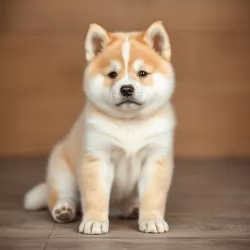 The Akita Inu is a large, powerful, and dignified dog breed known for its striking appearance, quiet nature, and unwavering loyalty.
Originating from Japan, it has a broad head, erect triangular ears, and a plush double coat that comes in red, white, brindle, or sesame, with characteristic urajiro (whitish markings). The Akita carries itself with pride and confidence, often aloof with strangers but deeply affectionate and protective toward its family.
Calm, intelligent, and strong-willed, the breed requires early socialization and firm, consistent training. Though not ideal for first-time owners, the Akita Inu is a loyal guardian and devoted companion for those who understand and respect its independent spirit.
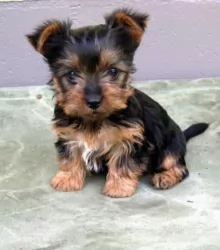 This is a small breed with Loads of Spunk. The Silky terrier is somewhat longer than tall and height is around 23cm, with weight being about 4kg. He has an athletic build and although the bone structure is refined, the small dog has amazing strength and durability with a keen, alert face. Small but sturdily built, the dark, almond-shaped eyes don’t miss a thing as do the small, erect v-shaped ears.
Full of fun and packed with character, the Silky Terrier isn’t your regular lap dog as he is bold, active, feisty and playful- always ready for action. He can be aggressive toward strange pets but becomes amicable with other pets in the home. He is sharp and clever, and can be trained to be an absolute pleasure in the home and a playmate for children trained to be kind to animals.
They are loving and devoted to their human family and can be excellent watchdogs even though they can’t offer much protection.
Of course, the Silky Terrier gets his name from the sleek, silky coat that if allowed to grow, flows down from their backs to the floor. It is the dogs most distinctive feature. They come in several solid colors and mixes of colors too such as blue/tan, grey/blue and cream.
The Silky is an adaptable dog and even though he is energetic and will needs daily physical and mental exercise, he can be a country or an apartment dog, but will require plenty of exercise and getting out and about.
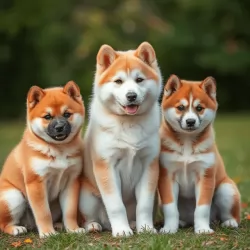 The Akita Inu is a large, noble, and powerful breed known for its dignified presence, strong loyalty, and quiet confidence. Originally bred for hunting and guarding, Akitas are naturally protective, courageous, and independent thinkers.
They form deep bonds with their family but are often aloof with strangers. Calm and clean by nature, they rarely bark without reason and carry themselves with elegance and strength.
Their double coat is thick and weather-resistant, requiring regular grooming, and they shed heavily, especially seasonally.
While intelligent, Akitas can be stubborn, so they thrive best with experienced owners who can offer consistent training and leadership. With proper care and socialization, the Akita Inu is a devoted, majestic companion.
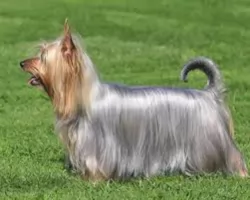 Small in stature but with a strong personality, the Australian Silky Terrier is a keen, intelligent, active, energetic and spunky breed. He is affectionate and loyal towards his human family, and although good with older children and other pets, he may not get on too well with small children and their erratic movements.
Don’t leave him alone for too long as he becomes anxious and destructive. He is an active dog too and while he will adapt to apartment living, he will need exercise and games to keep him active, fit, stimulated and healthy. Your Silky is an intelligent dog but he is stubborn too and proper socialization and training will be important for Silky Terriers, as then he becomes quite sociable.
A firm but gentle hand will be needed to train this wilful little dog, but when you show him who’s boss, he becomes your devoted and loyal friend.
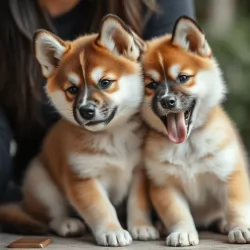 The Akita Inu is generally a strong and resilient breed, but it is prone to several genetic and breed-specific health issues.
Common concerns include hip and elbow dysplasia, progressive retinal atrophy (PRA), and hypothyroidism, all of which can affect mobility, vision, and metabolism.
The breed is also susceptible to autoimmune disorders like VKH-like syndrome and sebaceous adenitis, a skin condition causing hair loss and irritation. Additionally, Akitas may experience bloat (gastric torsion), a life-threatening emergency common in deep-chested dogs.
Regular veterinary care, proper diet, and responsible breeding practices are essential to help minimize health risks and ensure a long, healthy life.
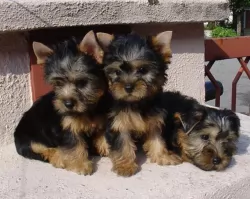 The Australian Silky Terrier is generally healthy and he has a lifespan of 11 – 14 years. However he may suffer from some problems such as Legg-Perthes disease. This means degeneration of the head on the femur bone of the dog's hind leg, resulting is osteoarthritis. This ailment is commonly seen in miniature-, small and toy breeds and can result in lameness and pain.
Silky Terriers are also prone to certain eye disorders, including PRA or Progressive Retinal Atrophy as well as cataracts. PRA can lead to total blindness.
Getting the right puppy shots and vaccinations is also part of good health care for your Silky and you can speak to your vet about what injections are due at 6 – 8 weeks of age and what booster vaccinations may be necessary.
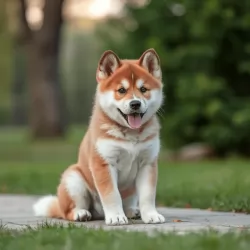 Caring for an Akita Inu involves commitment, consistency, and understanding of the breed's unique needs. They require regular grooming, especially during seasonal shedding, with brushing at least 2–3 times a week and daily during coat blow periods.
Akitas thrive on routine exercise, such as long walks or playtime in a secure area, but they aren’t overly energetic. Training and socialization should start early, using positive reinforcement and calm, firm leadership to manage their independent and protective nature.
They are best suited to homes where they are the only pet or properly introduced to others. Akitas are clean, quiet, and typically bond closely with their family, so providing mental stimulation, affection, and clear boundaries is key.
Regular vet checkups, a balanced diet, and proper social interaction help keep your Akita healthy, happy, and well-adjusted.
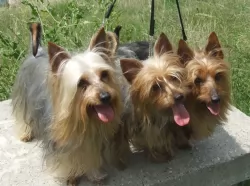 The long, straight coat of the Silky will need a fair amount of brushing each day. This dog is considered a hypoallergenic breed, and although he doesn’t shed a lot, the length of the hair will require regular brushing to get rid of loose hairs but also ensure there is no tangling of the hair. If the hair of the dog is kept long, he may require a bath every now and then to keep his hair silky and clean and to get rid of dirt build-up.
A healthy, nutritional diet is important for keeping your canine friend healthy and free from disease and unhealthy skin. To stay health your pet will require correct amounts of vitamins and minerals.
Dog food companies make different types of dog food such as dry, semi-moist, and moist and these are available for dogs of different ages, activity levels and stage of life. Speak to your vet about selecting a dog food that is right for your Australian Silky Terrier and always ensure a bowl of fresh water is available to him.