 MyDogBreeds
 Akita Inu is originated from Japan but Austrian Black and Tan Hound is originated from Austria. Akita Inu may grow 15 cm / 6 inches higher than Austrian Black and Tan Hound. Akita Inu may weigh 9 kg / 20 pounds more than Austrian Black and Tan Hound. Both Akita Inu and Austrian Black and Tan Hound has same life span. Akita Inu may have more litter size than Austrian Black and Tan Hound. Akita Inu requires Moderate maintenance. But Austrian Black and Tan Hound requires High maintenance
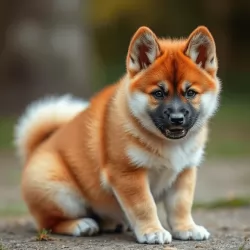 The Akita Inu, originating from Japan's snowy Akita Prefecture, has a long-standing legacy as a powerful hunting dog and loyal companion. Bred in the 1600s to track large game like boar and bear, the Akita quickly earned its place among Japanese nobility as a guardian and symbol of courage.
Its dignified nature and unwavering loyalty were immortalized in the true story of Hachikō, an Akita who waited nearly a decade for his deceased owner at a Tokyo train station. This devotion captured national and global admiration, leading to the breed’s recognition as a national treasure in Japan.
After World War II, American soldiers introduced Akitas to the West, giving rise to a larger, more robust variation known as the American Akita. Today, the Akita Inu remains a cherished breed worldwide for its strength, loyalty, and quiet dignity.
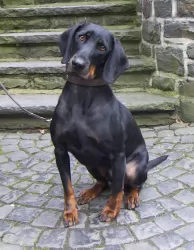 When Celts began settling in Western Europe, they brought their dogs along. The Celtic Hounds had a duty to hunt, guard and fight in battles. They were, most likely, the ancestors of breeds like Greyhounds and Irish Wolfhounds. The original Austrian black and tan hound was created in Austria during the late nineteenth century. They were very specific dog breed because of their sharp nose, agility, speed, trainability and extraordinary persistence while hunting or tracking.
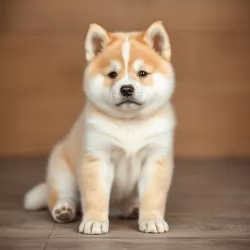 The Akita Inu is a large, powerful, and dignified dog breed known for its striking appearance, quiet nature, and unwavering loyalty.
Originating from Japan, it has a broad head, erect triangular ears, and a plush double coat that comes in red, white, brindle, or sesame, with characteristic urajiro (whitish markings). The Akita carries itself with pride and confidence, often aloof with strangers but deeply affectionate and protective toward its family.
Calm, intelligent, and strong-willed, the breed requires early socialization and firm, consistent training. Though not ideal for first-time owners, the Akita Inu is a loyal guardian and devoted companion for those who understand and respect its independent spirit.
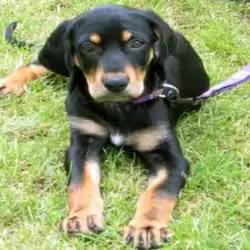 The Austrian black and tan hound is one of the larger dog breeds. The coat colour of this breed is unique: the coat must be black with small and defined fawn markings. The body, head and legs are black, with dark or fawn markings with the fawn marks above the eyes.
The Black and Tan is a smooth coated, slim breed with the broad chest and a wide skull shape. Their teeth meet in a scissor bite. They don’t have very long ears and their tail is long and slightly bent.
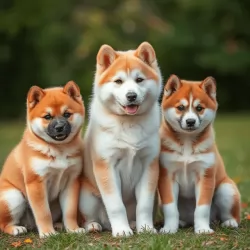 The Akita Inu is a large, noble, and powerful breed known for its dignified presence, strong loyalty, and quiet confidence. Originally bred for hunting and guarding, Akitas are naturally protective, courageous, and independent thinkers.
They form deep bonds with their family but are often aloof with strangers. Calm and clean by nature, they rarely bark without reason and carry themselves with elegance and strength.
Their double coat is thick and weather-resistant, requiring regular grooming, and they shed heavily, especially seasonally.
While intelligent, Akitas can be stubborn, so they thrive best with experienced owners who can offer consistent training and leadership. With proper care and socialization, the Akita Inu is a devoted, majestic companion.
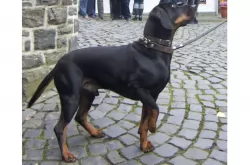 The Austrian Black and Tan Hound get along well with strangers, other dogs or any animals. If they are not trained, their instinct to hunt will be a problem for other, smaller dogs and small animals. This is why this breed can’t be a guard dog. He is usually very friendly, and he remains friendly in most situations. It is very easy to train and socialize them, but you must remain firm while teaching them right from wrong. They are not the breed for the indoor, apartments or senior citizens. If you are not able to fulfil his daily need for activity, he can become quite destructive.
Nonexistent for the last 30 years. But, if the dog gets mistreated, neglected or threatened – this breed knows to be aggressive. But, if you are a good and loving owner who makes sure that your dog is well raised, fed, loved, trained and socialized while he is still a pup, you will have no reason for the fear.
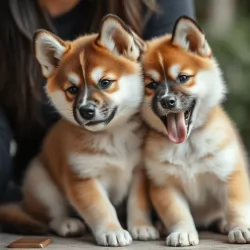 The Akita Inu is generally a strong and resilient breed, but it is prone to several genetic and breed-specific health issues.
Common concerns include hip and elbow dysplasia, progressive retinal atrophy (PRA), and hypothyroidism, all of which can affect mobility, vision, and metabolism.
The breed is also susceptible to autoimmune disorders like VKH-like syndrome and sebaceous adenitis, a skin condition causing hair loss and irritation. Additionally, Akitas may experience bloat (gastric torsion), a life-threatening emergency common in deep-chested dogs.
Regular veterinary care, proper diet, and responsible breeding practices are essential to help minimize health risks and ensure a long, healthy life.
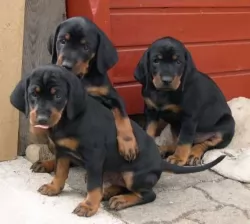 (hip or elbow joint malformation) can happen from injury or overuse of the joints since the Austrian black and tan hound is a runner and jumper.
They have sensitive ears and they can suffer from ear infections. To avoid this, you must have regular vet checks and have a habit of regular cleaning - hygiene of their ears.
Caused by Demodex canis. If you notice hair loss, redness and scaling you must take your pet to the vet urgently since this disease can be transmitted humans.
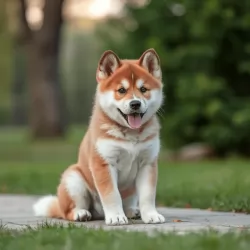 Caring for an Akita Inu involves commitment, consistency, and understanding of the breed's unique needs. They require regular grooming, especially during seasonal shedding, with brushing at least 2–3 times a week and daily during coat blow periods.
Akitas thrive on routine exercise, such as long walks or playtime in a secure area, but they aren’t overly energetic. Training and socialization should start early, using positive reinforcement and calm, firm leadership to manage their independent and protective nature.
They are best suited to homes where they are the only pet or properly introduced to others. Akitas are clean, quiet, and typically bond closely with their family, so providing mental stimulation, affection, and clear boundaries is key.
Regular vet checkups, a balanced diet, and proper social interaction help keep your Akita healthy, happy, and well-adjusted.
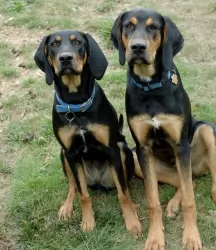 Austrian Black and Tan Hounds don’t eat a lot even if you might think that they do. The truth is that they won’t need more than the prescribed portions that can be found in the instructions of high-quality dry dog food per day. All you have to do is make sure they have 3 meals during the day until they are 6 months old, and later they can settle for two meals per day.
Don’t give them the freedom to eat as much as they want. That can cause serious health complications. Their stomachs won’t be able to digest human food because it is usually made with a lot of spices. You can feed them with treats like eggs, fresh cheese, fruits and vegetables are okay as treats but only if these treats make less than 10% of their daily portion.
This playful dog needs the daily dose of outside activities. The grooming is easy but it must be regular. Once-a-week brushing at least is necessary. They don’t need to be bathed regularly but you must check their skin conditions daily since they have high risks of skin diseases. Nails need to be trimmed since they grow too fast and ears need to be cleaned every day to avoid ear infections.
The Austrian Black and Tan Hound are like any hound: they have an excellent sense of smell and they love to explore. They like to run and they can run for miles. Any outside activity will be a good choice. They like to bark and they bark even when they are happy. They are usually friendly towards strangers and other dogs, so the dog park is a good choice as well. They will love being at playgrounds as well since they love children and they can be a great Frisbee partner.