 MyDogBreeds
 Akita Inu is originated from Japan but Bakharwal Dog is originated from India. Both Akita Inu and Bakharwal Dog are having almost same height. Both Akita Inu and Bakharwal Dog are having almost same weight. Akita Inu may live 3 years more than Bakharwal Dog. Akita Inu may have more litter size than Bakharwal Dog. Both Akita Inu and Bakharwal Dog requires Moderate maintenance.
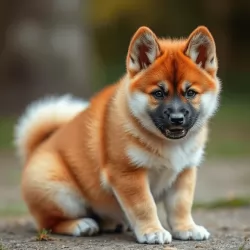 The Akita Inu, originating from Japan's snowy Akita Prefecture, has a long-standing legacy as a powerful hunting dog and loyal companion. Bred in the 1600s to track large game like boar and bear, the Akita quickly earned its place among Japanese nobility as a guardian and symbol of courage.
Its dignified nature and unwavering loyalty were immortalized in the true story of Hachikō, an Akita who waited nearly a decade for his deceased owner at a Tokyo train station. This devotion captured national and global admiration, leading to the breed’s recognition as a national treasure in Japan.
After World War II, American soldiers introduced Akitas to the West, giving rise to a larger, more robust variation known as the American Akita. Today, the Akita Inu remains a cherished breed worldwide for its strength, loyalty, and quiet dignity.
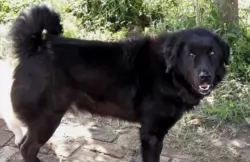 The precise origin of the large Bakharwal Dog is undocumented. It is believed the breed originated from the Tibetan Mastiff, the Molosser, the Tuvan Sheepdog and others. It is an ancient working breed where it has been bred for many centuries by the Bakarwal and Guijar tribes. The dog is thought to be the rarest of all the ancient herding breeds.
The Bakharwal is an indigenous breed of Himalayan origin, being bred exclusively by those wanting a strong, brave dog to protect their livestock. Today Jammu and Kashmir in North India is predominantly the stronghold of this breed.
The Bakharwal dog today as we know it is a muscular dog, tall and powerful and with a thick, fluffy coat. He has remained a livestock guardian or herding dog for the people occupying the Pir Panjal mountain ranges for centuries.
Unfortunately the breed’s rarity as well as his lack of recognition has put this attractive dog in danger of becoming extinct, and in fact steps have been taken to have the dog listed as an endangered species. The females only produce small litters of between 1 to 3 puppies. There are currently no breeding clubs for the Bakharwal Dog and the other sad aspect is that the breed isn’t recognized by any of the major kennel clubs.
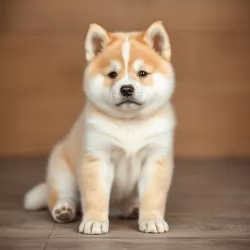 The Akita Inu is a large, powerful, and dignified dog breed known for its striking appearance, quiet nature, and unwavering loyalty.
Originating from Japan, it has a broad head, erect triangular ears, and a plush double coat that comes in red, white, brindle, or sesame, with characteristic urajiro (whitish markings). The Akita carries itself with pride and confidence, often aloof with strangers but deeply affectionate and protective toward its family.
Calm, intelligent, and strong-willed, the breed requires early socialization and firm, consistent training. Though not ideal for first-time owners, the Akita Inu is a loyal guardian and devoted companion for those who understand and respect its independent spirit.
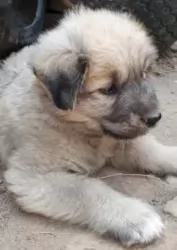 This dog is large, heavily boned, muscular and with a deep chest. They’ve got large heads and a thick, muscular neck. The nose is black, the almond-shaped brown or amber eyes gentle while the ears are medium sized and drooping. The tail is long and bushy and mostly curls over the back of the dog. Their thick coats are available in a number of colours such as cream, tan, white, black and piebald.
The Kashmiri Sheepdog has long legs and although a number of sizes exist, the regular height of the dog is roughly 61 to 76 cm.
Known also by several other names such as the Kashmir Mastiff, Kashmir Sheepdog or Bakarwal Mastiff, this dog is well known for his ferociousness, and guarding his human family is taken seriously. His courage knows know limits and he is both protector and friend, a loyal and devoted companion.
He forms a strong bond with his human family and is good natured with well behaved children who have been taught to treat animals with kindness. Caution should always be practised with small children as this is a large dog. He is playful, social and adaptable with his human family but won’t take kindly to other pets. Socialization and training are important for this strong-willed dog.
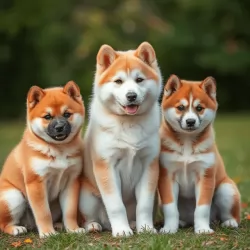 The Akita Inu is a large, noble, and powerful breed known for its dignified presence, strong loyalty, and quiet confidence. Originally bred for hunting and guarding, Akitas are naturally protective, courageous, and independent thinkers.
They form deep bonds with their family but are often aloof with strangers. Calm and clean by nature, they rarely bark without reason and carry themselves with elegance and strength.
Their double coat is thick and weather-resistant, requiring regular grooming, and they shed heavily, especially seasonally.
While intelligent, Akitas can be stubborn, so they thrive best with experienced owners who can offer consistent training and leadership. With proper care and socialization, the Akita Inu is a devoted, majestic companion.
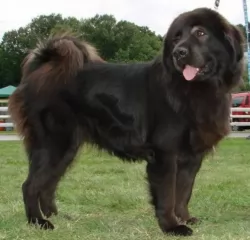 Bred exclusively as a livestock guardian dog, the large Bakharwal is a steadfast, loving, brave guardian. He is good with people of all ages and will protect his human family with his life.
To this day the breed has a strong herding and guarding instinct, and because he is a large breed with herding instincts, he won’t be suited to apartment living. He needs a good sized garden to run in and will require exercising to stave off frustration and boredom.
Look after your Bakharwal well, especially as there aren’t many of them left. Loved, nourished and cared for, he’s just waiting to make you part of his ‘flock’ and in exchange he’ll be your loyal and devoted friend who will protect you with his life.
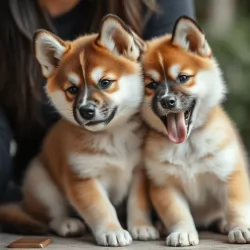 The Akita Inu is generally a strong and resilient breed, but it is prone to several genetic and breed-specific health issues.
Common concerns include hip and elbow dysplasia, progressive retinal atrophy (PRA), and hypothyroidism, all of which can affect mobility, vision, and metabolism.
The breed is also susceptible to autoimmune disorders like VKH-like syndrome and sebaceous adenitis, a skin condition causing hair loss and irritation. Additionally, Akitas may experience bloat (gastric torsion), a life-threatening emergency common in deep-chested dogs.
Regular veterinary care, proper diet, and responsible breeding practices are essential to help minimize health risks and ensure a long, healthy life.
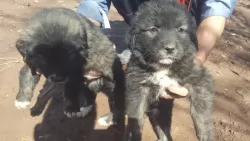 Your Bakharwal puppy will need to see the vet for a complete check up and to receive his puppy vaccinations. These innoculations immunize your puppy from hepatitis, distemper, leptospirosis, parvovirus and parainfluenza.
As he grows older, you’ll need to keep his teeth free from dental plaque by using a special dog toothbrush and toothpaste.
Ticks and fleas – speak to your vet about the most effective way to treat these parasites. heartworm – this is important if your dog is exposed to lots of mosquitoes. Heartworm infestations are potentially deadly. spaying and neutering is important at 6 months of age to protect your pet from unwanted puppies and disease.
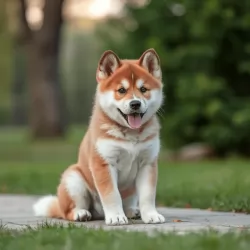 Caring for an Akita Inu involves commitment, consistency, and understanding of the breed's unique needs. They require regular grooming, especially during seasonal shedding, with brushing at least 2–3 times a week and daily during coat blow periods.
Akitas thrive on routine exercise, such as long walks or playtime in a secure area, but they aren’t overly energetic. Training and socialization should start early, using positive reinforcement and calm, firm leadership to manage their independent and protective nature.
They are best suited to homes where they are the only pet or properly introduced to others. Akitas are clean, quiet, and typically bond closely with their family, so providing mental stimulation, affection, and clear boundaries is key.
Regular vet checkups, a balanced diet, and proper social interaction help keep your Akita healthy, happy, and well-adjusted.
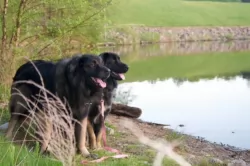 The coat of the Bakharwal Dog is thick, flat and of medium length and he is a relatively low maintenance dog. Brushing the dog’s coat twice a week will be adequate to remove loose hairs, although professional grooming can be a good thing as the density of the coat makes trimming the coat a necessity. The eyes, ears, teeth, and nails of the Bakharwal Dog should also be examined regularly just to ensure no health problems develop.
Bakharwal puppies from 8 to 12 weeks will require meals 4x a day. From 6 months on he can start having 2 meals a day. Top-quality dry- or wet dogfoods will guarantees balanced nutrition, and speaking to your veterinarian will give you an idea of what is best for your canine friend. To ensure your dog doesn’t suffer with a dry, scratchy skin, remember to include raw- and cook meat into his food. Protein is an essential ingredient for the health of your dog. Always ensure clean, cool water is available and wash food- and water bowls regularly.
Make sure your Bakharwal Dog gets plenty of exercise every day to maintain good health. Take him for walks to give him new sounds, smells and sights.