 MyDogBreeds
 Akita Inu is originated from Japan but Belgian Shepherd Dog (Tervuren) is originated from Belgium. Both Akita Inu and Belgian Shepherd Dog (Tervuren) are having almost same height. Both Akita Inu and Belgian Shepherd Dog (Tervuren) are having almost same weight. Akita Inu may live 3 years more than Belgian Shepherd Dog (Tervuren). Both Akita Inu and Belgian Shepherd Dog (Tervuren) has same litter size. Both Akita Inu and Belgian Shepherd Dog (Tervuren) requires Moderate maintenance.
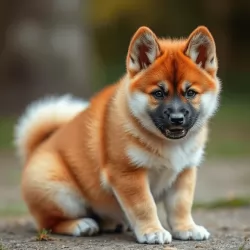 The Akita Inu, originating from Japan's snowy Akita Prefecture, has a long-standing legacy as a powerful hunting dog and loyal companion. Bred in the 1600s to track large game like boar and bear, the Akita quickly earned its place among Japanese nobility as a guardian and symbol of courage.
Its dignified nature and unwavering loyalty were immortalized in the true story of Hachikō, an Akita who waited nearly a decade for his deceased owner at a Tokyo train station. This devotion captured national and global admiration, leading to the breed’s recognition as a national treasure in Japan.
After World War II, American soldiers introduced Akitas to the West, giving rise to a larger, more robust variation known as the American Akita. Today, the Akita Inu remains a cherished breed worldwide for its strength, loyalty, and quiet dignity.
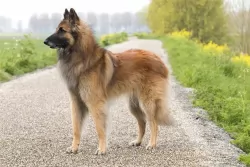 Referred to as the ‘Terv’, this dog from Belguim was created in the late 19th century. He is one of 4 varieties of Belgian Shepherd and he has a long, fawn colored coat. It was in 1892 that the first show for Belgian Shepherds took place and it was the Tervuren variety that won.
Breeders of these dogs gave each of the four varieties their own name, and the name Tervuren comes from a Belguim village. This is where M.F. Corbeel bred dogs, believed to be the foundation of the Tervuren breed.
In World War I, many of these dogs were used by the military for war related jobs. Some of these dogs were imported to America for breeding and in 1959 it was considered a separate breed from other Belgian Sheepdogs.
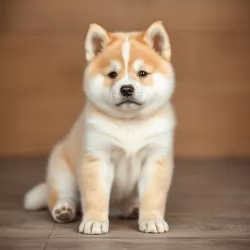 The Akita Inu is a large, powerful, and dignified dog breed known for its striking appearance, quiet nature, and unwavering loyalty.
Originating from Japan, it has a broad head, erect triangular ears, and a plush double coat that comes in red, white, brindle, or sesame, with characteristic urajiro (whitish markings). The Akita carries itself with pride and confidence, often aloof with strangers but deeply affectionate and protective toward its family.
Calm, intelligent, and strong-willed, the breed requires early socialization and firm, consistent training. Though not ideal for first-time owners, the Akita Inu is a loyal guardian and devoted companion for those who understand and respect its independent spirit.
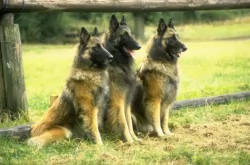
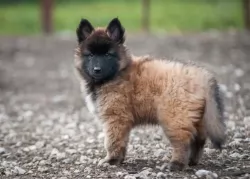 The Tervuren is a medium to large sized, well muscled dog achieving heights of up to 66cm. He has an attractively elegant, regal look to him. The dog has a double coat which is weather resistant. The overall length of the coat which is fawn to mahogany is medium to long and the outer coat is straight with black tips. The males have almost like a mane of hair around the neck that you won’t necessarily find with the females. The tail is long and feathery
The Belgian Tervuren is alert and intelligent. His has a long-shaped face with a black mask and upright ears that are sharp and receptive to every sound. He is a herding dog and is full of energy – used to having a job that keeps him busy.
If you don’t want your Tervurens to become destruction, you will need to keep him busy and not just keep him cooped up in the back yard. This particular dog breed is a devoted, loyal pet and forms a strong bond with his human family. However, he will need to be trained and socialized if you want him to behave well around children and pets in the home.
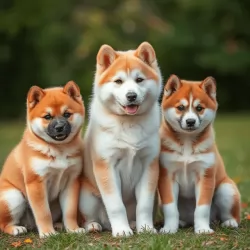 The Akita Inu is a large, noble, and powerful breed known for its dignified presence, strong loyalty, and quiet confidence. Originally bred for hunting and guarding, Akitas are naturally protective, courageous, and independent thinkers.
They form deep bonds with their family but are often aloof with strangers. Calm and clean by nature, they rarely bark without reason and carry themselves with elegance and strength.
Their double coat is thick and weather-resistant, requiring regular grooming, and they shed heavily, especially seasonally.
While intelligent, Akitas can be stubborn, so they thrive best with experienced owners who can offer consistent training and leadership. With proper care and socialization, the Akita Inu is a devoted, majestic companion.
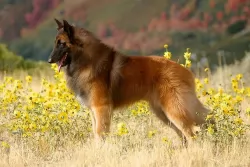 With his beautiful face and lustrous coat, this is a pet that you’re always going to be proud of. Not only that, he is active too, a great watchdog and a fantastic family companion.
To keep your Tervuren spritely and contented, ensure he has a high quality diet designed for active herding dogs. He is intelligent too and training and socialization will turn him into an exceptional pet for you. Provide him with lots of human companionship, give him nutritious food and see that any ailments he has are attended to by the vet and you’ll have your attractive pet around with you for up to 12, 13, 14 or 15 years.
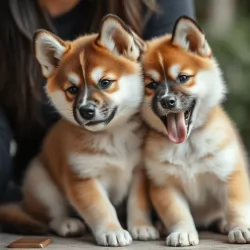 The Akita Inu is generally a strong and resilient breed, but it is prone to several genetic and breed-specific health issues.
Common concerns include hip and elbow dysplasia, progressive retinal atrophy (PRA), and hypothyroidism, all of which can affect mobility, vision, and metabolism.
The breed is also susceptible to autoimmune disorders like VKH-like syndrome and sebaceous adenitis, a skin condition causing hair loss and irritation. Additionally, Akitas may experience bloat (gastric torsion), a life-threatening emergency common in deep-chested dogs.
Regular veterinary care, proper diet, and responsible breeding practices are essential to help minimize health risks and ensure a long, healthy life.
 Your Tervuren is a robust, healthy dog breed and with the right food, love and attention, you’re not going to have major health concerns with him. Skin allergies, eye problems and hip dysplasia might be something you want to be aware of.
A dry, itchy skin with incessant scratching from your pet might require a visit to the vet. If left untreated, an itchy skin and a scratching dog can lead to secondary skin infections and even hair loss. Check for allergies or fleas, and remember that apart from medical management of fleas and ticks, dogs with a dull coat will require a supplement with omega 3 fatty acids.
A common skeletal disorder with malformation of the hip brought on by environmental- and genetic factors. Recognizing the signs of hip dysplasia is important for your dog to help him with pain.
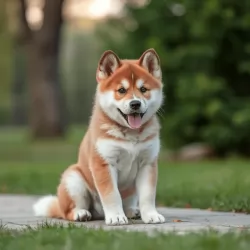 Caring for an Akita Inu involves commitment, consistency, and understanding of the breed's unique needs. They require regular grooming, especially during seasonal shedding, with brushing at least 2–3 times a week and daily during coat blow periods.
Akitas thrive on routine exercise, such as long walks or playtime in a secure area, but they aren’t overly energetic. Training and socialization should start early, using positive reinforcement and calm, firm leadership to manage their independent and protective nature.
They are best suited to homes where they are the only pet or properly introduced to others. Akitas are clean, quiet, and typically bond closely with their family, so providing mental stimulation, affection, and clear boundaries is key.
Regular vet checkups, a balanced diet, and proper social interaction help keep your Akita healthy, happy, and well-adjusted.
 Your Terv is a double-coated dog and he will shed his hair throughout the year. Brushing him at least twice in the week will be necessary to get rid of the hair he sheds. Apart from brushing him and keeping his beautiful coat shiny and healthy, other grooming needs will include clipping his nails and dental hygiene. Brushing his teeth 2 or 3 times a week with specialized dog toothpaste and toothbrush will help with keeping plaque and bacteria at bay.
Speak to your vet about feeding your Tervuren puppy as he will need at least 4 bowls of food while he is so tiny. By the time he is a year old, he will be able to have 1 or 2 meals a day. Always make sure you feel him high quality food which can be home-made food or commercially manufactured food.
To ensure he doesn’t suffer with any skin allergies, he will need to have some raw meat mixed into his food from time to time. Always provide fresh water for him and make sure to wash the bowls out often.