 MyDogBreeds
 Akita Inu is originated from Japan but Berger Picard is originated from France. Akita Inu may grow 6 cm / 3 inches higher than Berger Picard. Akita Inu may weigh 7 kg / 16 pounds more than Berger Picard. Both Akita Inu and Berger Picard has almost same life span. Both Akita Inu and Berger Picard has same litter size. Akita Inu requires Moderate maintenance. But Berger Picard requires Low maintenance
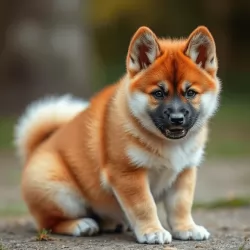 The Akita Inu, originating from Japan's snowy Akita Prefecture, has a long-standing legacy as a powerful hunting dog and loyal companion. Bred in the 1600s to track large game like boar and bear, the Akita quickly earned its place among Japanese nobility as a guardian and symbol of courage.
Its dignified nature and unwavering loyalty were immortalized in the true story of Hachikō, an Akita who waited nearly a decade for his deceased owner at a Tokyo train station. This devotion captured national and global admiration, leading to the breed’s recognition as a national treasure in Japan.
After World War II, American soldiers introduced Akitas to the West, giving rise to a larger, more robust variation known as the American Akita. Today, the Akita Inu remains a cherished breed worldwide for its strength, loyalty, and quiet dignity.
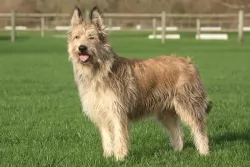 In the Picardie region of northeastern France saw visiting Celts/Franks enter the region along with a shepherd dog. They arrived in the Pas de Calais in 800 AD and might be the oldest shepherd dog of France. Named for Pacardy, the Berger Picard is certainly one of the most ancient of today’s French breeds. Some believe this shepherd comes from the lines of Dutch and Belgian Shepherds, while other insist he is related to the Beauceron and Briard.
Never popular as a show dog due to its shaggy appearance, even though it was entered in Frances first dog show in 1863, the breed was almost extinct following the second World War. Currently there are a little under 5000 left in the world with most of them, 3000, in France. The Picard is a good herding dog and loved by the shepherds of the Picardy region. The United Kennel Club recognized the rare breed in 1994, but the AKC did not recognize it until 2016.
The Berger Picard is a loyal, people-oriented dog, good with children and families if socialized as a puppy. In 2006 the Berger Picard Club of America was formed as more and more dogs are being imported from France. There was a genetic study done this year that proposes that 7 breeds of shepherd all descended from a European herding dog that was all over Europe before 1859. This dog was the father of the Berger Picard, the German Shepherd, The Bergamaso Shepherd, the Lupino de Gigante, the Cane Paratore, the Cane da pasore della Lessinia e del Lagorai , and the Pastore d”oropa. After recognition, the Picard was shown for the first time at Krufts in March 2016. They followed that with a best of breed win by Gabby, Guess V.D. Benedicks
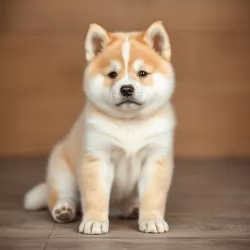 The Akita Inu is a large, powerful, and dignified dog breed known for its striking appearance, quiet nature, and unwavering loyalty.
Originating from Japan, it has a broad head, erect triangular ears, and a plush double coat that comes in red, white, brindle, or sesame, with characteristic urajiro (whitish markings). The Akita carries itself with pride and confidence, often aloof with strangers but deeply affectionate and protective toward its family.
Calm, intelligent, and strong-willed, the breed requires early socialization and firm, consistent training. Though not ideal for first-time owners, the Akita Inu is a loyal guardian and devoted companion for those who understand and respect its independent spirit.
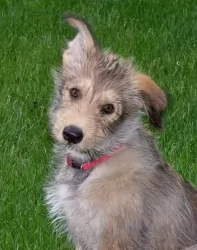 The Berger Picard is a muscular, medium sized, faithful companion. He is especially great with an owner who is athletic and energetic. They have a rugged constitution, slightly longer back, and full tail. The coat is thick, strong and harsh. They are never overweight or bulky. This gives the Berger Picard the look of a mixed breed dog. They have erect ears and thick eyebrows. This lanky looking dog is alert and lively. Movement is efficient, free and tireless. They have strong bones with a sturdy build and a take charge personality.
They have a strong rectangular head that is not massive. His eyes are oval and medium sized, never round or protruding. Eye color should be dark and never yellow. Cheek muscles are strong, and muzzle is smooth, ending abruptly at the nose. Scissors bite, deep chest and round feet. There should not be any dewclaws on the back legs.
 The Akita Inu is a large, noble, and powerful breed known for its dignified presence, strong loyalty, and quiet confidence. Originally bred for hunting and guarding, Akitas are naturally protective, courageous, and independent thinkers.
They form deep bonds with their family but are often aloof with strangers. Calm and clean by nature, they rarely bark without reason and carry themselves with elegance and strength.
Their double coat is thick and weather-resistant, requiring regular grooming, and they shed heavily, especially seasonally.
While intelligent, Akitas can be stubborn, so they thrive best with experienced owners who can offer consistent training and leadership. With proper care and socialization, the Akita Inu is a devoted, majestic companion.
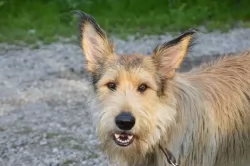 The Berger Picard needs to be a part of a pack with an owner who is clearly the pack leader. This is an intelligent, friendly, and sensitive to harsh voice scolding. They are not easy to train, and you need to be calm and patient when working with him. The Picard has a tendency to be stubborn with an owner who appears to be weak. If raised with or socialized to children and other animals, they will live fine with them. They are best in a rural environment rather than a close neighborhood. They are very quiet dogs, but they need a job and they excel at work.
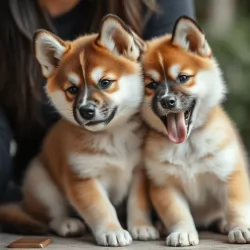 The Akita Inu is generally a strong and resilient breed, but it is prone to several genetic and breed-specific health issues.
Common concerns include hip and elbow dysplasia, progressive retinal atrophy (PRA), and hypothyroidism, all of which can affect mobility, vision, and metabolism.
The breed is also susceptible to autoimmune disorders like VKH-like syndrome and sebaceous adenitis, a skin condition causing hair loss and irritation. Additionally, Akitas may experience bloat (gastric torsion), a life-threatening emergency common in deep-chested dogs.
Regular veterinary care, proper diet, and responsible breeding practices are essential to help minimize health risks and ensure a long, healthy life.
 The Berger Picard is not a heavy or extra-large dog, but they still can have hip dysplasia, though it is not nearly as prevalent as it is in larger breeds. Eye infections can present in puppies more than adults and hereditary eye issues such as PRA and RD are all too common. (Progressive Retina Atrophy and Retinal Dysplasia)
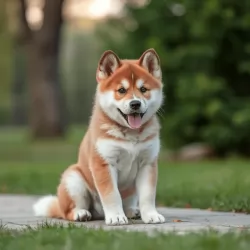 Caring for an Akita Inu involves commitment, consistency, and understanding of the breed's unique needs. They require regular grooming, especially during seasonal shedding, with brushing at least 2–3 times a week and daily during coat blow periods.
Akitas thrive on routine exercise, such as long walks or playtime in a secure area, but they aren’t overly energetic. Training and socialization should start early, using positive reinforcement and calm, firm leadership to manage their independent and protective nature.
They are best suited to homes where they are the only pet or properly introduced to others. Akitas are clean, quiet, and typically bond closely with their family, so providing mental stimulation, affection, and clear boundaries is key.
Regular vet checkups, a balanced diet, and proper social interaction help keep your Akita healthy, happy, and well-adjusted.
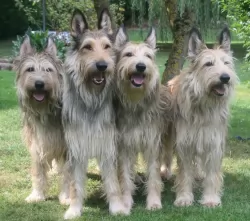 This is an athletic and active breed with a lot of energy. They need a high-quality food that is full of nutrients and not empty calories. Don’t overfeed him as some will have a tendency to become obese. They should be fed twice a day in equal proportions. Treats are good when training but don’t overdo it.
Since the Berger Picard has not been overbred, there are not a lot of genetic disorders in the breed. They do have some
You should have your puppy certified by the Orthopedic Foundation for Animals (OFA) and then the Canine Eye Research Foundation that they do not have these issues and if they do, resolve them. The results of these tests should be published in the OFA registry. This breed is also a participant in the Canine Health Information Center. This means their eyes and hips have been checked and the results published. Their blood is being stored for DNA purposes and one of the following have been evaluated: heart, elbows or thyroid. There is an OFA Berger Picard health survey whose results are available to anyone who asks. This does not track individual dogs but the breed as a whole.
This is a breed that needs a lot of exercise. She likes to swim, take long walks, take runs with you on your bike. They love to jog with you as well. Agility, obedience and any other type of competition will appeal to your Picard. However, don’t expect them to excel at competition because they are not consistent performers. But if they don’t get enough exercise and fun they will become very destructive. Barn hunt and non-competitive herding activities are perfect for the Picard.