 MyDogBreeds
Akita Inu is originated from Japan but Billy is originated from France. Both Akita Inu and Billy are having almost same height. Akita Inu may weigh 7 kg / 16 pounds more than Billy. Both Akita Inu and Billy has same life span. Akita Inu may have more litter size than Billy. Both Akita Inu and Billy requires Moderate maintenance.
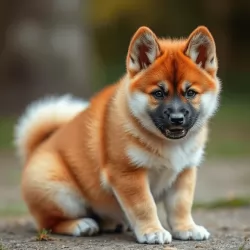 The Akita Inu, originating from Japan's snowy Akita Prefecture, has a long-standing legacy as a powerful hunting dog and loyal companion. Bred in the 1600s to track large game like boar and bear, the Akita quickly earned its place among Japanese nobility as a guardian and symbol of courage.
Its dignified nature and unwavering loyalty were immortalized in the true story of Hachikō, an Akita who waited nearly a decade for his deceased owner at a Tokyo train station. This devotion captured national and global admiration, leading to the breed’s recognition as a national treasure in Japan.
After World War II, American soldiers introduced Akitas to the West, giving rise to a larger, more robust variation known as the American Akita. Today, the Akita Inu remains a cherished breed worldwide for its strength, loyalty, and quiet dignity.
The Billy (or Billie) Dog is a rare breed developed in France and mostly still only found in France. Created in the 19th century by Monsieur Gaston Hublot de Rivault and named after his home, Chateau de Billy, he is hunting dog of high quality. The Billy dog was developed by crossing the Poitevin’s original three lines – the Larrye, the Ceris and the Montemboeuf. In developing the Billy, Rivault favored the colors found in the Ceris and Montemboeuf strains as opposed to the tricolors of the Larrye strain. The Billy is a scent hound from all the lines leading back to the monks of the Saint Hubert Monastery in the middle ages, in Belgium, then refined in Gaul (France). The Billy line was considered the most elegant French breed and they were the last breed to come from that large scent hound type that the French nobility and royalty loved to breed.
In 1886 the Federation Cynoloquique Internationale established the standard for the Billy breed. The breed was a great hunter with resilience, speed, scenting and fortitude. The Billy hunted in large packs in pursuit of Wild Boar and Roe Deer. This was accomplished by the crossing of great hunters developed for their specific skills. The Ceris was amazing in its skill to hunt down wolves and hares. The Montemboeuf was a large, elegant dog that hunted wild boar and Larrye for his strong scent ability. Since these three breeds were true French breeds, the Billy was a true aristocratic scent hound in a pure scent hound line.
This gregarious, handsome dog became extremely popular in France in the 19th century. Unfortunately, the World Wars of the 20th century would take their toll on this rare breed and they were almost extinct by the late 1900’. There were only two hounds left by the end of the Second World War. Anthony Rivault, the son of Gaston, set about saving the breed by incorporating the lines of Harrier, the Poilevin and the Porcelaine with the two remaining hounds. From there the breed has been revived and is no longer on the verge of extinction. They are still rare and certainly not “popular”, but they are excellent hunters, especially hunting in packs. Today they are considered one of the breeds used to develop the Grand Anglo-Francais Blanc et Orange in France and there are several packs that hunt roe deer in France, while a couple packs are used to hunt wild boar.
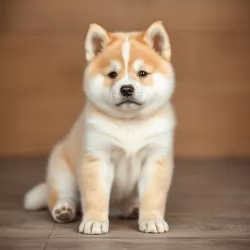 The Akita Inu is a large, powerful, and dignified dog breed known for its striking appearance, quiet nature, and unwavering loyalty.
Originating from Japan, it has a broad head, erect triangular ears, and a plush double coat that comes in red, white, brindle, or sesame, with characteristic urajiro (whitish markings). The Akita carries itself with pride and confidence, often aloof with strangers but deeply affectionate and protective toward its family.
Calm, intelligent, and strong-willed, the breed requires early socialization and firm, consistent training. Though not ideal for first-time owners, the Akita Inu is a loyal guardian and devoted companion for those who understand and respect its independent spirit.
The Billy dog is powerful, beautiful and built extremely well. He is large but he should also be light weight and lean. He has an athletic look, powerful muscles, and strong bones. He has floppy ears, dark eyes with dark rims and a white coat. This breed has a medium size head with a domed forehead and square muzzle. The ears are high on the head, flat and floppy while the neck is long and strong. Shoulders are also long and the back broad, the thighs muscular and the feet round. He has a long fluffy tail. The coat is short and can be seen through to the skin. He has white skin with brown spots and the fur is white or off white. The females are smaller than the males. He is a great family companion as well as a hunter. They have high pitched voices and they can be howlers. They have a strong prey drive and are great hunters. They can be great companion dogs for any family, just watch them with small children and small animals. They are big enough to need a lot of space and a lot of exercise. Scent hounds can be stubborn, and that trait is not lost on the Billy dog.
 The Akita Inu is a large, noble, and powerful breed known for its dignified presence, strong loyalty, and quiet confidence. Originally bred for hunting and guarding, Akitas are naturally protective, courageous, and independent thinkers.
They form deep bonds with their family but are often aloof with strangers. Calm and clean by nature, they rarely bark without reason and carry themselves with elegance and strength.
Their double coat is thick and weather-resistant, requiring regular grooming, and they shed heavily, especially seasonally.
While intelligent, Akitas can be stubborn, so they thrive best with experienced owners who can offer consistent training and leadership. With proper care and socialization, the Akita Inu is a devoted, majestic companion.
Even though the Billy Breed is very rare and faced potential extinction it is a terrific sporting dog who loves children, other dogs, and adults. He could be a good family dog if his exercise needs are met. He is social, gregarious, and gentle with people. They are happiest in a pack and do not do well in a one dog household. They form extremely strong bonds with their people and household. They are friendly and outgoing. This makes them a poor choice for guard dog. They have an exceptionally well-developed prey drive do they might be aggressive toward any animal smaller than them. This includes the family cat, other smaller dogs, hamsters etc.
 The Akita Inu is generally a strong and resilient breed, but it is prone to several genetic and breed-specific health issues.
Common concerns include hip and elbow dysplasia, progressive retinal atrophy (PRA), and hypothyroidism, all of which can affect mobility, vision, and metabolism.
The breed is also susceptible to autoimmune disorders like VKH-like syndrome and sebaceous adenitis, a skin condition causing hair loss and irritation. Additionally, Akitas may experience bloat (gastric torsion), a life-threatening emergency common in deep-chested dogs.
Regular veterinary care, proper diet, and responsible breeding practices are essential to help minimize health risks and ensure a long, healthy life.
Despite their history of almost becoming extinct the Billy dog is a hearty and healthy group. They do tend to get Bronchitis and colds due to the short, thin coat. Keep them indoors during winter. Another area of concern is the ears. They are prone to ear infections so keep their ears clean. They should not be exposed to cold weather. The Billy life expectancy is 10-14 years which is very good for such a large dog.
 Caring for an Akita Inu involves commitment, consistency, and understanding of the breed's unique needs. They require regular grooming, especially during seasonal shedding, with brushing at least 2–3 times a week and daily during coat blow periods.
Akitas thrive on routine exercise, such as long walks or playtime in a secure area, but they aren’t overly energetic. Training and socialization should start early, using positive reinforcement and calm, firm leadership to manage their independent and protective nature.
They are best suited to homes where they are the only pet or properly introduced to others. Akitas are clean, quiet, and typically bond closely with their family, so providing mental stimulation, affection, and clear boundaries is key.
Regular vet checkups, a balanced diet, and proper social interaction help keep your Akita healthy, happy, and well-adjusted.
The Billy dog is large, muscular and lean. Do not overfeed him, but you can safely free feed. Watch to be sure he does not gain too much weight and if he does go to two feedings per day.
As previously mentioned this is a healthy, long-lived dog. Watch for ear infections and keep him out of extreme cold.
This is a very athletic, active hunter, who needs a lot of exercise. Daily walks are good, but he needs 45 to 60 minutes of exercise every day. Remember he was bred to hunt and loves to do so. Find activities that let him use his athletic skills and strong sense of smell. He needs a big yard to romp in. He will excel at obedience, barn hunt and agility. A lure game might be good also, but he would be happier with a scent oriented “find it” game.