 MyDogBreeds
 Akita Inu is originated from Japan but Braque Francais (Pyrenean Type) is originated from France. Akita Inu may grow 13 cm / 6 inches higher than Braque Francais (Pyrenean Type). Akita Inu may weigh 16 kg / 35 pounds lesser than Braque Francais (Pyrenean Type). Both Akita Inu and Braque Francais (Pyrenean Type) has same life span. Both Akita Inu and Braque Francais (Pyrenean Type) has same litter size. Akita Inu requires Moderate maintenance. But Braque Francais (Pyrenean Type) requires Low maintenance
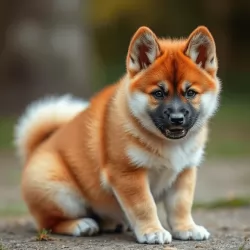 The Akita Inu, originating from Japan's snowy Akita Prefecture, has a long-standing legacy as a powerful hunting dog and loyal companion. Bred in the 1600s to track large game like boar and bear, the Akita quickly earned its place among Japanese nobility as a guardian and symbol of courage.
Its dignified nature and unwavering loyalty were immortalized in the true story of Hachikō, an Akita who waited nearly a decade for his deceased owner at a Tokyo train station. This devotion captured national and global admiration, leading to the breed’s recognition as a national treasure in Japan.
After World War II, American soldiers introduced Akitas to the West, giving rise to a larger, more robust variation known as the American Akita. Today, the Akita Inu remains a cherished breed worldwide for its strength, loyalty, and quiet dignity.
 The Braque Francais Gascognes and the Braque Francais Pyrenees are two alike dogs that are in reality separate breeds. The Pyrenees is not as rare as his larger brother, Gascognes. Around since the 15th century at least, not mush is really known about their origins. Because the Braque Francais was exported or taken to so many different countries in the 15th-18th centuries, a lot of information regarding the origins of the breeds were lost. There was a major study done in the 19th century that showed the two dogs came from very different blood lines. It is known that in this timeframe there was an acute need for a dog that was better than the current hunting breeds. This dog needed to be able to point, track, retrieve and flush.
With no authenticated story of origin, many myths have grown up in the vacuum. The most common belief is that the Chien d’Oysel, an ancient spaniel breed that was medium sized with brown or white fur and brown markings, is an ancestor of the Braque Francais and local hunting dogs. To make the Gascognes larger and stronger than the Pyrenees, local scent hounds were also crossed with these dogs. The Pyrenees does not have these scent hounds in their background.
Until the late 1800’s, there was only one type and one breed of Braque Francais. But when the breed was no longer the dogs of a nobility, the average hunter needed a smaller dog. Urbanization following the French Revolution added to this trend and the Pyrenees Mountain hunters crossed the Gascognes with smaller scent hounds and pointers. Thus, they created the Braque Francais Pyrenees and each dog became its own breed in 1920.
The Braque Francais breed club, including standards for both breeds was established in 1850 with the standards established in 1880. This acceptance was then followed by registration of both breeds in the International Kennel Club (FCI) and the French Kennel Club. Canada recognizes only the Gascoigne and the United Kennel Club (UKC) of the United States, recognized both. Neither breed has been recognized by the American Kennel Club (AKC).
The Second World War was brutal to both types of the Braque Francais, but the Pyrenees have surpassed their sister breed and are the only one that has found its way to North America. The importers have started a breeding program in Canada. Later a few were imported to the States. There are currently at least four breeders in North America – 2 in the U.S. and 2 in Canada. It is thought that there are less than 200 Braque Francais Pyrenees living in North America.
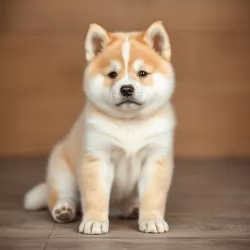 The Akita Inu is a large, powerful, and dignified dog breed known for its striking appearance, quiet nature, and unwavering loyalty.
Originating from Japan, it has a broad head, erect triangular ears, and a plush double coat that comes in red, white, brindle, or sesame, with characteristic urajiro (whitish markings). The Akita carries itself with pride and confidence, often aloof with strangers but deeply affectionate and protective toward its family.
Calm, intelligent, and strong-willed, the breed requires early socialization and firm, consistent training. Though not ideal for first-time owners, the Akita Inu is a loyal guardian and devoted companion for those who understand and respect its independent spirit.
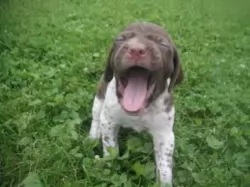 The Braque Francais breeds are medium sized dogs with the Pyrenean standing 10 centimeters shorter than the Gascogne. They have a, white or chestnut brown coat with brown spots and a brown head. The Pyrenees has a head that is broader and ears that are not as long as the Gascogne. Their muzzle is narrower. He is strong, tall with hanging lips and square muzzles.
 The Akita Inu is a large, noble, and powerful breed known for its dignified presence, strong loyalty, and quiet confidence. Originally bred for hunting and guarding, Akitas are naturally protective, courageous, and independent thinkers.
They form deep bonds with their family but are often aloof with strangers. Calm and clean by nature, they rarely bark without reason and carry themselves with elegance and strength.
Their double coat is thick and weather-resistant, requiring regular grooming, and they shed heavily, especially seasonally.
While intelligent, Akitas can be stubborn, so they thrive best with experienced owners who can offer consistent training and leadership. With proper care and socialization, the Akita Inu is a devoted, majestic companion.
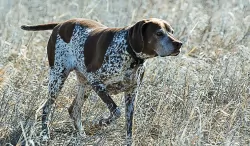 This is a sociable, lovable, friendly breed. They are gentle and docile dogs that want only to please you. They like children as well as adults and will never be a guard dog as they are friendly to strangers as well. The Braque Francais Pyrenees is affectionate while being highly skilled hunters. They are prone to severe separation anxiety if left alone for long. They might even have a tendency toward shyness.
 The Akita Inu is generally a strong and resilient breed, but it is prone to several genetic and breed-specific health issues.
Common concerns include hip and elbow dysplasia, progressive retinal atrophy (PRA), and hypothyroidism, all of which can affect mobility, vision, and metabolism.
The breed is also susceptible to autoimmune disorders like VKH-like syndrome and sebaceous adenitis, a skin condition causing hair loss and irritation. Additionally, Akitas may experience bloat (gastric torsion), a life-threatening emergency common in deep-chested dogs.
Regular veterinary care, proper diet, and responsible breeding practices are essential to help minimize health risks and ensure a long, healthy life.
 The breed of Braque Francais in both its incarnations is generally a pretty healthy dog. They are prone to several issues including dysplasia of the elbow and hip, aortic stenosis, some eye issues and patellar luxation. The eye issues are around the lids and include ectropion and entropion along with cataracts and progressive retinal atrophy (PRA). These issues are not avoidable, but the risk can be reduced even more by breeder testing of parents of any litter and then test the litter. Both the OFA and CERF should conduct tests for the dysplasia (Orthopedic Foundation for Animals) and eyes (Canine Eye Registration Foundation).
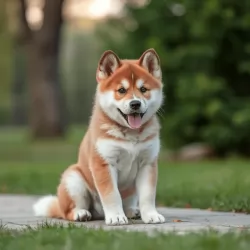 Caring for an Akita Inu involves commitment, consistency, and understanding of the breed's unique needs. They require regular grooming, especially during seasonal shedding, with brushing at least 2–3 times a week and daily during coat blow periods.
Akitas thrive on routine exercise, such as long walks or playtime in a secure area, but they aren’t overly energetic. Training and socialization should start early, using positive reinforcement and calm, firm leadership to manage their independent and protective nature.
They are best suited to homes where they are the only pet or properly introduced to others. Akitas are clean, quiet, and typically bond closely with their family, so providing mental stimulation, affection, and clear boundaries is key.
Regular vet checkups, a balanced diet, and proper social interaction help keep your Akita healthy, happy, and well-adjusted.
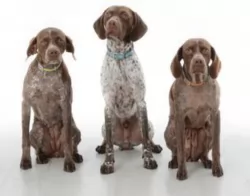 This breed need a high energy food including raw meat such as chicken, fish, and beef. If feeding kibble, they need about 2.5 cups per day.
Prone to inflammation and infections of the ears as they are long and floppy. Clean them regularly. As previously mention eye disorders, joint dysplasia and bloat.
The Braque Francais Pyrenees is a fairly versatile hunting dog. They can hunt on all types of terrain by trailing, flushing and retrieving. They are quick and move quickly without actually sprinting. This dog needs serious exercise every day. They will walk or jog with you. They will run along side your bike. Whatever you choose to do, do it for an hour a day. Don’t make couch potatoes out of this breed. It will not turn out well if you do. They need a place where they can play off leash as well, such as a large yard or a dog park.