 MyDogBreeds
 Akita Inu is originated from Japan but Braque Saint-Germain is originated from France. Akita Inu may grow 9 cm / 4 inches higher than Braque Saint-Germain. Both Akita Inu and Braque Saint-Germain are having almost same weight. Both Akita Inu and Braque Saint-Germain has same life span. Both Akita Inu and Braque Saint-Germain has almost same litter size. Akita Inu requires Moderate maintenance. But Braque Saint-Germain requires Low maintenance
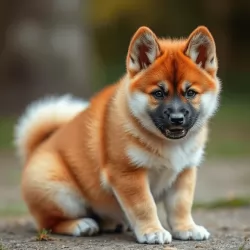 The Akita Inu, originating from Japan's snowy Akita Prefecture, has a long-standing legacy as a powerful hunting dog and loyal companion. Bred in the 1600s to track large game like boar and bear, the Akita quickly earned its place among Japanese nobility as a guardian and symbol of courage.
Its dignified nature and unwavering loyalty were immortalized in the true story of Hachikō, an Akita who waited nearly a decade for his deceased owner at a Tokyo train station. This devotion captured national and global admiration, leading to the breed’s recognition as a national treasure in Japan.
After World War II, American soldiers introduced Akitas to the West, giving rise to a larger, more robust variation known as the American Akita. Today, the Akita Inu remains a cherished breed worldwide for its strength, loyalty, and quiet dignity.
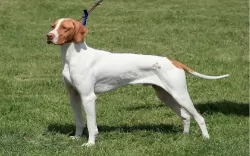 The Braque Saint-Germain, also known as the St. Germain Pointing Dog, is a French creation. The French pointing dogs and the English pointing dogs were mixed to develop the Braque Saint-Germain. He is a versatile hunting dog that was both a pointer and a gun dog. They are medium to large in size and went from being bred by royalty in the 1830’s to a popular everyday hunting dog. The ancestry of the breed can be traced back many additional centuries.
As popular as the Braque Saint-Germain was as a hunter, he gained his notoriety in the show ring. The first time a Braque Saint-Germain entered the ring in 1863 it was an acclaimed breed and upstaged all other pointing breeds. The French Braque Saint-Germain club was opened in 1913 and recognized by the Federation Cynoloqique International (FCI) and in 2006 was recognized by the North American United Kennel Club. Their popularity has risen and fallen since World War II. It has flirted with extinction more than once. Today’s Braque Saint-Germain is a highly talented hunting dog with a standard appearance that still does well in the ring.
The English Pointer was a cross between the hound dogs, British gundog, Spanish Pointer and herding breeds. This made the English Pointer a very versatile breed before it was crossed with the Braque Francais Gascogne. The Braque Francais Gascogne itself is believed to have developed from the Chien d-Oysel and Italian and Spanish pointing dogs. The English Pointer was specialized in pointing and the French Braque Francais Gascogne was a very versatile dog. In the Braque Saint-Germain the dog world has a versatile, excellent pointing dog.
In the 1800’s the French Crown was gifted with two English Pointers that were great at hunting. Some considered the English Pointers to be better than any of their Braque Francais. The female of these two pointers was bred many times but the male died without breeding. The female’s first litter was with a brown German Spaniel and were of low quality. Her second litter however was with an outstanding bird dog and produced 7 excellent puppies. Because of this these two dogs were bred several more times. The owner of the adult dogs moved to Saint-Germain, where their appearance attracted many hunters. The breed flourished here and was named the Braque Saint-Germain.
Soon corrupt individuals sold non-purebreds as Braque Saint-Germains and handlers showed these dogs under the Saint-Germain name. There are always dangers when a popular breed’s beginnings comes from only two dogs. In 1913 the new breed club fought over the standard and ended up producing two types. The first type was a sturdy dog with long ears and a round chest. He was larger and slower than his cousin. The second type was a smaller dog with a finer skeleton and short, high set ears. He was a galloper to his cousin’s trot.
The breed found itself facing near extinction in 1914 and during all of World War I. Dogs were not bred and many were not properly cared for. The breed became quite rare. Then as it began to recover, the Second World War intervened and devasted the breed again. By the end of the war, they were once again very rare and on the edge of extinction. It took a dedicated effort from local breeders to bring the breed back. By the 1950’s the two types of Braque Saint-Germain dogs were molded into only one breed. There remained a conflict between those that bred show dogs and those that bred hunting dogs.
Slowly the breed grew in number and in the late 1990’s there were over 100 puppies registered into the club every year. More than 100 were entered into the clubs in 2009. There have also been a few English Pointer crosses allowed to breed with the Braque Saint-Germains in order to grow and improve the gene pool. Still the breed is exceedingly rare outside of France. Through it all the breed has been able to maintain its place in confirmation and still be a versatile hunting dog.
 The Akita Inu is a large, powerful, and dignified dog breed known for its striking appearance, quiet nature, and unwavering loyalty.
Originating from Japan, it has a broad head, erect triangular ears, and a plush double coat that comes in red, white, brindle, or sesame, with characteristic urajiro (whitish markings). The Akita carries itself with pride and confidence, often aloof with strangers but deeply affectionate and protective toward its family.
Calm, intelligent, and strong-willed, the breed requires early socialization and firm, consistent training. Though not ideal for first-time owners, the Akita Inu is a loyal guardian and devoted companion for those who understand and respect its independent spirit.
 The Braque Saint-Germain is very much a pointer and yet is a very attractive dog. They have a medium build, drop ears and a long, level tail tapered at the end. They are really distinctive looking with an athletic, lean, muscled look. The skull is round and the muzzle is the same length as the skull. Their nose is pink , their lips cover their lower jaw and their eyes are golden, round and large. The ears are set high on the head and look like they are slightly detached. The neck is long, muscular and arched, while they have deep chest. They are well proportioned, good looking dogs with a friendly facial expression. Their coat is true to the pointing dog group as it is short, smooth and white with orange markings. Dogs of any other color might be great hunting dogs but are not show dogs and should not be bred
 The Akita Inu is a large, noble, and powerful breed known for its dignified presence, strong loyalty, and quiet confidence. Originally bred for hunting and guarding, Akitas are naturally protective, courageous, and independent thinkers.
They form deep bonds with their family but are often aloof with strangers. Calm and clean by nature, they rarely bark without reason and carry themselves with elegance and strength.
Their double coat is thick and weather-resistant, requiring regular grooming, and they shed heavily, especially seasonally.
While intelligent, Akitas can be stubborn, so they thrive best with experienced owners who can offer consistent training and leadership. With proper care and socialization, the Akita Inu is a devoted, majestic companion.
 The Braque Saint-Germain is a working dog and a show dog. They are energetic, competitive and driven. They are generally affectionate, loyal and love to cuddle with their people. They need human companionship companionship and can have severe separation anxiety when left by themselves. They love being a member of the family with children, but they are likely to knock very young children down unintentionally.
The Braque Saint-Germain is a loyal, gentle breed and some might even be shy. They are not guard dogs. They are much too friendly toward strangers. Even though they were bred to point and track small game, they can be socialized to be safe living with smaller pets such as cats. They are intelligent, fast learners who love to learn. They also love to work and work long hours without fatigue. They will love to be a jogging or cycling partner.
They do best with large yards, rural areas or in hunting packs. They are not small apartment, city dwellers. They do get along with strangers and other animals. They will warn of strangers, but they are not aggressive.
 The Akita Inu is generally a strong and resilient breed, but it is prone to several genetic and breed-specific health issues.
Common concerns include hip and elbow dysplasia, progressive retinal atrophy (PRA), and hypothyroidism, all of which can affect mobility, vision, and metabolism.
The breed is also susceptible to autoimmune disorders like VKH-like syndrome and sebaceous adenitis, a skin condition causing hair loss and irritation. Additionally, Akitas may experience bloat (gastric torsion), a life-threatening emergency common in deep-chested dogs.
Regular veterinary care, proper diet, and responsible breeding practices are essential to help minimize health risks and ensure a long, healthy life.
 The breed has very few health issues even with all the cross breeding followed by inbreeding. Due to the small gene pool there might be some genetically inherited problems. Due to the size of the gene pool, they might suffer from “founder’s effect” where if one dog has a certain condition, their descendants could also. Not enough research has been done to know if this is the case with the Braque Saint-Germain of not.
Some of the potential health issues that the3 Braque Saint-Germain might face include:
 Caring for an Akita Inu involves commitment, consistency, and understanding of the breed's unique needs. They require regular grooming, especially during seasonal shedding, with brushing at least 2–3 times a week and daily during coat blow periods.
Akitas thrive on routine exercise, such as long walks or playtime in a secure area, but they aren’t overly energetic. Training and socialization should start early, using positive reinforcement and calm, firm leadership to manage their independent and protective nature.
They are best suited to homes where they are the only pet or properly introduced to others. Akitas are clean, quiet, and typically bond closely with their family, so providing mental stimulation, affection, and clear boundaries is key.
Regular vet checkups, a balanced diet, and proper social interaction help keep your Akita healthy, happy, and well-adjusted.
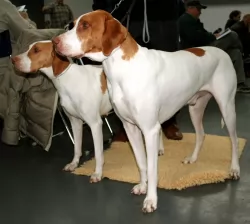 This is a working dog that can run and track for miles. She needs good nutrition. Feed about 3 cups per day in one or two meals. Two meals are preferred.
As previously mentioned this breed might be susceptible to many genetic diseases or disorders but there have not been any studies to show this.
The Braque Saint Germain does not need a high amount of exercise as their energy level is medium. They still need daily exercise. They do best with a fenced off leash area to run. They love frisbee and chasing balls.