 MyDogBreeds
 Akita Inu is originated from Japan but Brazilian Terrier is originated from Brazil. Akita Inu may grow 31 cm / 13 inches higher than Brazilian Terrier. Akita Inu may weigh 29 kg / 64 pounds more than Brazilian Terrier. Both Akita Inu and Brazilian Terrier has almost same life span. Akita Inu may have more litter size than Brazilian Terrier. Akita Inu requires Moderate maintenance. But Brazilian Terrier requires Low maintenance
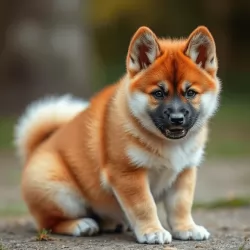 The Akita Inu, originating from Japan's snowy Akita Prefecture, has a long-standing legacy as a powerful hunting dog and loyal companion. Bred in the 1600s to track large game like boar and bear, the Akita quickly earned its place among Japanese nobility as a guardian and symbol of courage.
Its dignified nature and unwavering loyalty were immortalized in the true story of Hachikō, an Akita who waited nearly a decade for his deceased owner at a Tokyo train station. This devotion captured national and global admiration, leading to the breed’s recognition as a national treasure in Japan.
After World War II, American soldiers introduced Akitas to the West, giving rise to a larger, more robust variation known as the American Akita. Today, the Akita Inu remains a cherished breed worldwide for its strength, loyalty, and quiet dignity.
 Though its exact origins are questioned it is known that the Brazillian Terrier was developed in Brazil and along with the Fila Brasileiro, are the only authentic Brazillian breeds. In the early 1800’s the Jack Russel Terrier, Fox Terrier, Chihuahuas and Miniature Pinschers were mixed to create the Brazillian Terrier. The Terrier breed was brought to Brazil by Europeans and there were probably both the Jack Russel and the Fox Terrier in the mix. Very popular within its own country the Brazillian Terrier is barely known outside Brazil. They were registered in 1973 even though they have been around in Brazil since the 1800’s. They are both single and pack hunting dogs. They chase and surround prey until the prey becomes too exhausted to run or fight. The Brazillian Terrier is larger than any European or North American Terrier. They are also less aggressive than other terrier types so that pack hunting became possible. They were built to work in the heat for long periods of time. Their stamina far surpassed other terriers as did their resistance to parasites and diseases.
Many farmers and plantation owners came to values them for their ability to hunt down and eliminate vermin on the land and thus help with increased production of livestock and crops. They were so loved by the farmers and plantation owners that they began known as the “dog of the common people”. Yet it was not only the rural folks who valued this breed, but the people of the cities did as well. Because they were good ratters, a reasonable size, affectionate and loyal, many urban households sported a Brazillian Terrier. The breed spread throughout the country.
The Brazillian Terrier was kept mostly pure bred throughout its history but due to lack of pedigrees and paperwork it was not recognized by any kennel club unit 1973 when Brazillian breeders formed the Clube de Fox Paulistinha or CPF. They had a standard developed and created a stud book. By 1991 they were still not officially recognized but the CFP and the CBKC (Confederacio Brasilera de Cinofilia) began the process of establishing acceptable pedigrees and recognition of the breed. The FCI recognized the breed in 2007.
 The Akita Inu is a large, powerful, and dignified dog breed known for its striking appearance, quiet nature, and unwavering loyalty.
Originating from Japan, it has a broad head, erect triangular ears, and a plush double coat that comes in red, white, brindle, or sesame, with characteristic urajiro (whitish markings). The Akita carries itself with pride and confidence, often aloof with strangers but deeply affectionate and protective toward its family.
Calm, intelligent, and strong-willed, the breed requires early socialization and firm, consistent training. Though not ideal for first-time owners, the Akita Inu is a loyal guardian and devoted companion for those who understand and respect its independent spirit.
 The Brazillian Terrier is a small to medium sized dog with a white – tricolor (tan and black) coat. It has a narrow chest, a triangular rather flat skull, the tail is docked, folded, half pricked hears, and the body is well-balanced. Its legs are long and athletic, and the coat is very short and very fine. He has round eyes that can be green, blue, brown or gray. They are very much like the Jack Russel in temperament. His expression should reflect that temperament in its eagerness and alertness.
 The Akita Inu is a large, noble, and powerful breed known for its dignified presence, strong loyalty, and quiet confidence. Originally bred for hunting and guarding, Akitas are naturally protective, courageous, and independent thinkers.
They form deep bonds with their family but are often aloof with strangers. Calm and clean by nature, they rarely bark without reason and carry themselves with elegance and strength.
Their double coat is thick and weather-resistant, requiring regular grooming, and they shed heavily, especially seasonally.
While intelligent, Akitas can be stubborn, so they thrive best with experienced owners who can offer consistent training and leadership. With proper care and socialization, the Akita Inu is a devoted, majestic companion.
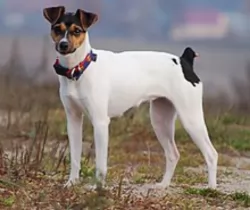 The Brazillian Terrier is very much like his ancestor the Jack Russell. Like the JR Terrier he is friendly, intelligent, alert, playful, and loves to dig. They are courageous and fearless. They will obey but only if they know and believe you are really in charge. Otherwise they are intelligent enough to be very independent, determined and willful. At the same time, they are utterly loyal to their people. He needs a lot of toys but don’t let him live with other small animals. His hunting instincts may be the strongest of all terriers and he may harm small animals in the home. You have to teach him when to stop barking. Their love of play would consume your entire day if you let them. You should understand the terrier personality before you acquire a Brazillian Terrier.
 The Akita Inu is generally a strong and resilient breed, but it is prone to several genetic and breed-specific health issues.
Common concerns include hip and elbow dysplasia, progressive retinal atrophy (PRA), and hypothyroidism, all of which can affect mobility, vision, and metabolism.
The breed is also susceptible to autoimmune disorders like VKH-like syndrome and sebaceous adenitis, a skin condition causing hair loss and irritation. Additionally, Akitas may experience bloat (gastric torsion), a life-threatening emergency common in deep-chested dogs.
Regular veterinary care, proper diet, and responsible breeding practices are essential to help minimize health risks and ensure a long, healthy life.
 The breed is mostly healthy except for hunting accidents and a few generic issues they are susceptible to. This includes things like Dental and eye issues, the usual ear issues, liver issues, allergies, epilepsy and patellar luxation. However, they are more likely to have issues related to hunting than another of these predisposed conditions
 Caring for an Akita Inu involves commitment, consistency, and understanding of the breed's unique needs. They require regular grooming, especially during seasonal shedding, with brushing at least 2–3 times a week and daily during coat blow periods.
Akitas thrive on routine exercise, such as long walks or playtime in a secure area, but they aren’t overly energetic. Training and socialization should start early, using positive reinforcement and calm, firm leadership to manage their independent and protective nature.
They are best suited to homes where they are the only pet or properly introduced to others. Akitas are clean, quiet, and typically bond closely with their family, so providing mental stimulation, affection, and clear boundaries is key.
Regular vet checkups, a balanced diet, and proper social interaction help keep your Akita healthy, happy, and well-adjusted.
 This is still a working dog and a terrier at that. They are high energy, athletic dogs. Feed a high-quality food at the rate of 1 to 2 cups per day, split into 2 meals. Treat are good for training but if your Brazillian Terrier is not hunting or working in some way, stay away from too much food and treats as he can easily become obese.
As mentioned previously, the biggest concern with this breed is hunting accidents or injuries. Look out for ear and skin infections or allergies. For the most part this is a hardy, healthy breed.
A very energetic dog, the Brazillian Terrier like its ancestors has a need to work off that energy. Yes, he is an urban dog and can live in an apartment, but you better have a dog park or a competition or some place to hunt because his need for exercise cannot be answered by daily walks and running around an apartment. IF your Brazillian Terrier is not stimulated physically and mentally on a daily basis he will become destructive, hyperactive and very, very unhappy. Don’t just stick him in a yard and leave him either as terriers are known to dig and escape and he will too.
They excel at agility, flyball, obedience and confirmation. They love to chase things and they love to explore. Barn Hunt would also be a good game for them. They are very smart, so their physical exercise should be paired with mental stimulation.