 MyDogBreeds
 Akita Inu is originated from Japan but Bulgarian Shepherd is originated from Bulgaria. Both Akita Inu and Bulgarian Shepherd are having almost same height. Akita Inu may weigh 18 kg / 39 pounds lesser than Bulgarian Shepherd. Akita Inu may live 42 years less than Bulgarian Shepherd. Both Akita Inu and Bulgarian Shepherd has same litter size. Both Akita Inu and Bulgarian Shepherd requires Moderate maintenance.
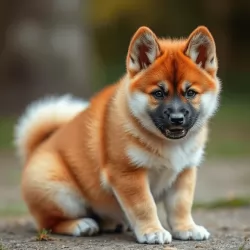 The Akita Inu, originating from Japan's snowy Akita Prefecture, has a long-standing legacy as a powerful hunting dog and loyal companion. Bred in the 1600s to track large game like boar and bear, the Akita quickly earned its place among Japanese nobility as a guardian and symbol of courage.
Its dignified nature and unwavering loyalty were immortalized in the true story of Hachikō, an Akita who waited nearly a decade for his deceased owner at a Tokyo train station. This devotion captured national and global admiration, leading to the breed’s recognition as a national treasure in Japan.
After World War II, American soldiers introduced Akitas to the West, giving rise to a larger, more robust variation known as the American Akita. Today, the Akita Inu remains a cherished breed worldwide for its strength, loyalty, and quiet dignity.
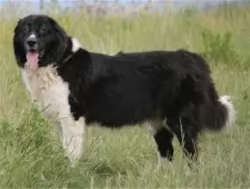 The Bulgarian Shepard Dog comes from the ancient line of Molossers of Central Asia and Tibet, and the shepherds of the Balkans, Turkey and Caucasus. Among the oldest and most valued of the working dogs of Europe, the Bulgarian Shepherd breed was created by mixing the Balkan breeds with the dogs from Central Asia by the proto-Bulgarians around the 7th century. The Karakachanskoto Kuche was introduced to Bulgaria and accepted by the sheep herders. Mixing this breed in with the Balkan and Central Asian mix developed the Bulgarian Shepherd we know today. In the long run the original Karakachanskoto Kuche became extinct, replaced entirely by the Bulgarian Shepherd even in places where the new breed is still called by the Kuche name. Although the breeds are not the same, most of the dog world does not know the difference.
In Bulgaria however the Karakachan is a national treasure and the history of the breed runs deep. One Kuche could run up to 1200 animals and hundreds were used by the herdsmen in the mountains of Bulgaria. There were many regional types of Bulgarian Shepherds with very little difference between those types. These dogs were so prized by the shepherds that the dogs ate first before the people. The dogs however ate a vegetarian diet of milk, wheat, water and oats. The Bulgarian Shepherd lives a long life of often over 20 years. The Bulgarian Army made good use of these dogs early in the 20th century.
Following World War II, the wolves were close to extinction and property in Bulgaria was nationalized. There was no longer a need for a large force of working dogs. The Communist government exterminated large numbers of sheep dogs including the Bulgarian Shepherd. Only those species on government owned farms and in remote regions survived. When the government farms were disbanded in the early 20th century, these dogs were exterminated as well. Only those in the mountains survived. Commercial breeding of the Bulgarian Shepherd in the end of the century has resulted in controversy as other breeds came into the breeding program.
Use of breeds such as Sarplaninacs, Caucasian Ovcharkas, St. Bernards, Central Asian Ovcharkas and Bosnian Tornjaks in these programs resulted in Bulgarian Shepherd or Karakachans that were a lot different from the original breed. There is therefore some concern about the future of the breed in Bulgaria, yet they received official Bulgarian national recognition in 2000. Today’s Bulgarian Shepherd is a guard dog for both property and livestock.
The official standard for the breed came about in 1991 and in 2005 it was recognized by the Bulgarian State Commission for Animal Breeds. Only those dogs that meet this standard are considered “true” Karakachans. The Bulgarian Shepherds are willing to fight bears and wolves in defense of its family and flock. The dog is brave and loyal, dignified and powerful. They are recognized by both the Dog Registry of America, Inc. (DRA) and the Bulgarian Republican Federation of Cynology (BRFC) a member of the FCI.
 The Akita Inu is a large, powerful, and dignified dog breed known for its striking appearance, quiet nature, and unwavering loyalty.
Originating from Japan, it has a broad head, erect triangular ears, and a plush double coat that comes in red, white, brindle, or sesame, with characteristic urajiro (whitish markings). The Akita carries itself with pride and confidence, often aloof with strangers but deeply affectionate and protective toward its family.
Calm, intelligent, and strong-willed, the breed requires early socialization and firm, consistent training. Though not ideal for first-time owners, the Akita Inu is a loyal guardian and devoted companion for those who understand and respect its independent spirit.
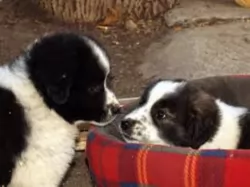
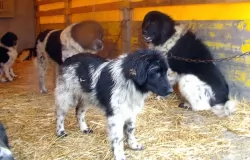
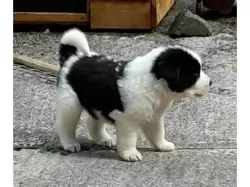 A massive, powerful and muscular Molosser, the Bulgarian Shepherd is strong, agile, powerful and fast. They are intelligent and reliable. They have a long, thick, harsh coat in white with patches of black. Their skull is massive and broad with a furrowed forehead. The muzzle is massive as well while the nose has wide nostrils and is fairly large. It has close fitting, thick lips with strong, scissor bite jaws. The Bulgarian Shepherd’s eyes are deep, oblique and small. They are either hazel or dark. They have an intelligent and confident, yet firm almost grim expression.
Their ears are low set, small and v-shaped. They sit close to the head which sits on a powerful but short neck. They have a broad back, well-muscled body with a deep chest and long, rough tail. Their gait is a trot with a spring in their step. There are two types of coats – longhaired and shorthaired with no undercoats.
 The Akita Inu is a large, noble, and powerful breed known for its dignified presence, strong loyalty, and quiet confidence. Originally bred for hunting and guarding, Akitas are naturally protective, courageous, and independent thinkers.
They form deep bonds with their family but are often aloof with strangers. Calm and clean by nature, they rarely bark without reason and carry themselves with elegance and strength.
Their double coat is thick and weather-resistant, requiring regular grooming, and they shed heavily, especially seasonally.
While intelligent, Akitas can be stubborn, so they thrive best with experienced owners who can offer consistent training and leadership. With proper care and socialization, the Akita Inu is a devoted, majestic companion.
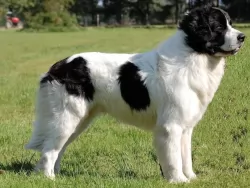 This is a working dog, intelligent and independent guard dog. Reserved around strangers but loyal and devoted with his family. Tolerant of children in their family if they were raised with them. Not only will she defend human family members, she will guard and defend household pets as well. He is quite capable of making her own independent decisions. These are very intense guard dogs that will respond aggressively if they think their people are being attacked.
 The Akita Inu is generally a strong and resilient breed, but it is prone to several genetic and breed-specific health issues.
Common concerns include hip and elbow dysplasia, progressive retinal atrophy (PRA), and hypothyroidism, all of which can affect mobility, vision, and metabolism.
The breed is also susceptible to autoimmune disorders like VKH-like syndrome and sebaceous adenitis, a skin condition causing hair loss and irritation. Additionally, Akitas may experience bloat (gastric torsion), a life-threatening emergency common in deep-chested dogs.
Regular veterinary care, proper diet, and responsible breeding practices are essential to help minimize health risks and ensure a long, healthy life.
 The breed itself is known to be healthy but they do face some of the usual health issues of the massive, giant breeds. This includes knee and elbow dislocation; hip dysplasia; bloat; entropion and osteosarcoma. All of these conditions require medical intervention, but bloat and osteosarcoma are the deadliest. Bloat needs immediate attention and osteosarcoma is a deadly bone cancer.
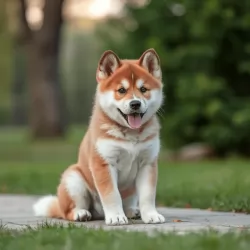 Caring for an Akita Inu involves commitment, consistency, and understanding of the breed's unique needs. They require regular grooming, especially during seasonal shedding, with brushing at least 2–3 times a week and daily during coat blow periods.
Akitas thrive on routine exercise, such as long walks or playtime in a secure area, but they aren’t overly energetic. Training and socialization should start early, using positive reinforcement and calm, firm leadership to manage their independent and protective nature.
They are best suited to homes where they are the only pet or properly introduced to others. Akitas are clean, quiet, and typically bond closely with their family, so providing mental stimulation, affection, and clear boundaries is key.
Regular vet checkups, a balanced diet, and proper social interaction help keep your Akita healthy, happy, and well-adjusted.
 These are large dogs with large appetites, but you want to keep them lean and active. Feed them at least twice a day with a high quality large or giant dog dry food. Four to five cups of food per day is the maximum.
Patellar Luxation – a floating kneecap or dislocated knee. Will cause lameness.
Osteosarcoma – bone cancer must be treated immediately as it is potentially fatal.
The Bulgarian Shepherd needs a good amount of exercise every day. Remember this is a working breed and they need a job. Long walks every day are essential for his well-being.