 MyDogBreeds
 Akita Inu is originated from Japan but Cao de Gado Transmontano is originated from Portugal. Akita Inu may grow 12 cm / 4 inches shorter than Cao de Gado Transmontano. Akita Inu may weigh 26 kg / 57 pounds lesser than Cao de Gado Transmontano. Akita Inu may live 3 years more than Cao de Gado Transmontano. Both Akita Inu and Cao de Gado Transmontano has almost same litter size. Akita Inu requires Moderate maintenance. But Cao de Gado Transmontano requires Low maintenance
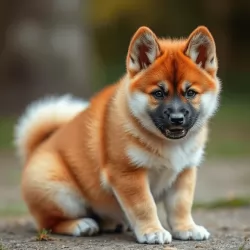 The Akita Inu, originating from Japan's snowy Akita Prefecture, has a long-standing legacy as a powerful hunting dog and loyal companion. Bred in the 1600s to track large game like boar and bear, the Akita quickly earned its place among Japanese nobility as a guardian and symbol of courage.
Its dignified nature and unwavering loyalty were immortalized in the true story of Hachikō, an Akita who waited nearly a decade for his deceased owner at a Tokyo train station. This devotion captured national and global admiration, leading to the breed’s recognition as a national treasure in Japan.
After World War II, American soldiers introduced Akitas to the West, giving rise to a larger, more robust variation known as the American Akita. Today, the Akita Inu remains a cherished breed worldwide for its strength, loyalty, and quiet dignity.
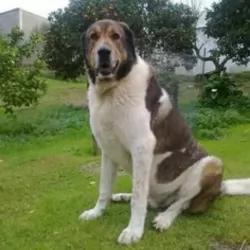 The Cão de Gado Transmontano which is also known as the Transmontano Mastiff or Transmontano Cattle Dog is a large dog – in fact a giant dog breed. This is a rare molosser working dog, hailing from the region of Tras-os-Montes e Alto Douro Province in Portugal.
The large dog has always been used to herd livestock and to also ward off wolves. It is believed that the dog’s roots come from the Tibetan Mastiff as well as a Portuguese cattle dog known as the Rafeiro do Alentejo. The dog also shares some similarities with the short-haired Estrela Mountain Dog.
In 1995 the breed was still exclusive to Portugal, but now the breed has been imported to Oregon, USA to be part of an experiment to document bigger breeds and their role in protecting livestock from wolves. They were re-introduced to north-east Oregon from 2008.
 The Akita Inu is a large, powerful, and dignified dog breed known for its striking appearance, quiet nature, and unwavering loyalty.
Originating from Japan, it has a broad head, erect triangular ears, and a plush double coat that comes in red, white, brindle, or sesame, with characteristic urajiro (whitish markings). The Akita carries itself with pride and confidence, often aloof with strangers but deeply affectionate and protective toward its family.
Calm, intelligent, and strong-willed, the breed requires early socialization and firm, consistent training. Though not ideal for first-time owners, the Akita Inu is a loyal guardian and devoted companion for those who understand and respect its independent spirit.
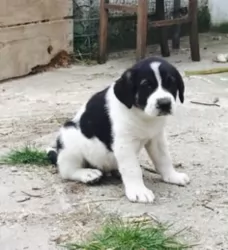 The Cão de Gado Transmontano is a large dog, believed to be the biggest of the Portuguese dog breeds. He is powerful and muscular with a large head and can stand up to 83cm in height and can weigh up to 65kg.
He is tough, and is quite comfortable living outside. He is a long-legged dog with a wide chest with medium length floppy ears and a long tail. The coat is fairly short although it can be in a variety of lengths. It is the medium length coated dog with the right coloring that is looked upon as a pure breed. The dog is white with large patches of brown, fawn, grey, brindle and black shades.
The Transmontano Mastiff is an intelligent, obedient dog who is also independent and stubborn. As with all dogs, it is important to have him trained and socialized as this makes him obedient and eager to please. He loves to be patted by his owners and is a dog which is easy to train, responding well to firmness and fairness.
He is calm and somewhat docile but at the same time he is energetic and alert, making him a good watchdog. He won’t do well cooped up in a tiny space. He gets on well with children and other pets in the home.
 The Akita Inu is a large, noble, and powerful breed known for its dignified presence, strong loyalty, and quiet confidence. Originally bred for hunting and guarding, Akitas are naturally protective, courageous, and independent thinkers.
They form deep bonds with their family but are often aloof with strangers. Calm and clean by nature, they rarely bark without reason and carry themselves with elegance and strength.
Their double coat is thick and weather-resistant, requiring regular grooming, and they shed heavily, especially seasonally.
While intelligent, Akitas can be stubborn, so they thrive best with experienced owners who can offer consistent training and leadership. With proper care and socialization, the Akita Inu is a devoted, majestic companion.
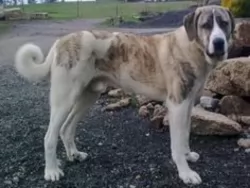 The Cão de Gado Transmontano may look like a fairly formidable dog but they aren’t aggressive. They are full of courage and are above all, loving and loyal to their human family.
When you choose to have one of these large dogs as your pet, it is important to make sure he knows that you’re the leader. With training and socialization this dog is a gentle giant who makes an exceptional family pet.
 The Akita Inu is generally a strong and resilient breed, but it is prone to several genetic and breed-specific health issues.
Common concerns include hip and elbow dysplasia, progressive retinal atrophy (PRA), and hypothyroidism, all of which can affect mobility, vision, and metabolism.
The breed is also susceptible to autoimmune disorders like VKH-like syndrome and sebaceous adenitis, a skin condition causing hair loss and irritation. Additionally, Akitas may experience bloat (gastric torsion), a life-threatening emergency common in deep-chested dogs.
Regular veterinary care, proper diet, and responsible breeding practices are essential to help minimize health risks and ensure a long, healthy life.
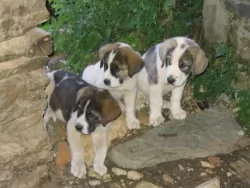 The Cão de Gado Transmontano is a tough dog, used to spending long hours outside guarding sheep. These days however, he is also a companion dog and you’ll want to be aware of some common dog ailments that can strip him of his health and his joy of life.
Hip Dysplasia is a looseness with the hip joint, and while it can occur with all dogs, it is more common in large dogs. It’s a disease which can lead to arthritis, pain and also joint degeneration. It’s a disease which can be debilitating for the dog and you will need to get your dog to the vet.
This is a heart disease seen in large breed dogs and where the heart becomes weak and can’t properly pump blood throughout the body. Symptoms include coughing, weakness, difficulty with breathing as well as a fluid-distended abdomen.
 Caring for an Akita Inu involves commitment, consistency, and understanding of the breed's unique needs. They require regular grooming, especially during seasonal shedding, with brushing at least 2–3 times a week and daily during coat blow periods.
Akitas thrive on routine exercise, such as long walks or playtime in a secure area, but they aren’t overly energetic. Training and socialization should start early, using positive reinforcement and calm, firm leadership to manage their independent and protective nature.
They are best suited to homes where they are the only pet or properly introduced to others. Akitas are clean, quiet, and typically bond closely with their family, so providing mental stimulation, affection, and clear boundaries is key.
Regular vet checkups, a balanced diet, and proper social interaction help keep your Akita healthy, happy, and well-adjusted.
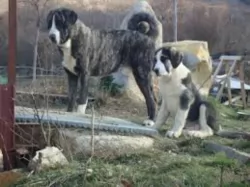 Just because this is a large dog, doesn’t mean you need to over-feed him. He is muscular and athletic, and by watching his diet, he’ll continue to be strong, lean and healthy. You can feed him a top quality pet-food brand and include boiled chicken, rice and vegetables. Every now and then mix in some raw meat with his dog food to ensure that his skin remains free of rashes and itchiness. Fresh, cool water must be available to him day and night as he drinks abundantly.
Some dog breeds need to be trimmed or stripped to look good, and dog owners often invest in expensive equipment to groom their pets themselves, Fortunately the large Cão de Gado Transmontano is a low maintenance dog and all you’ll need to do is give him a good brush-down twice a week.
Check his eyes, ears, teeth and nails regularly. Remember that dental hygiene is imperative and special canine toothbrush and toothpaste is available to brush your dog’s teeth 2 or 3x a week to get rid of plaque and to prevent gum disease and tooth decay.