 MyDogBreeds
 Akita Inu is originated from Japan but Deutsch Drahthaar is originated from Germany. Both Akita Inu and Deutsch Drahthaar are having almost same height. Akita Inu may weigh 7 kg / 16 pounds more than Deutsch Drahthaar. Both Akita Inu and Deutsch Drahthaar has almost same life span. Akita Inu may have more litter size than Deutsch Drahthaar. Both Akita Inu and Deutsch Drahthaar requires Moderate maintenance.
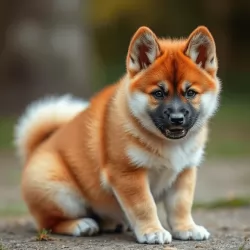 The Akita Inu, originating from Japan's snowy Akita Prefecture, has a long-standing legacy as a powerful hunting dog and loyal companion. Bred in the 1600s to track large game like boar and bear, the Akita quickly earned its place among Japanese nobility as a guardian and symbol of courage.
Its dignified nature and unwavering loyalty were immortalized in the true story of Hachikō, an Akita who waited nearly a decade for his deceased owner at a Tokyo train station. This devotion captured national and global admiration, leading to the breed’s recognition as a national treasure in Japan.
After World War II, American soldiers introduced Akitas to the West, giving rise to a larger, more robust variation known as the American Akita. Today, the Akita Inu remains a cherished breed worldwide for its strength, loyalty, and quiet dignity.
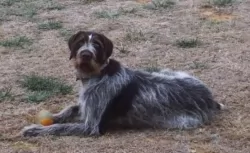 Hailing from Germany in the 20th century, the Deutsch Drahthaar, also known as the German wirehaired Pointer, has always been a hunting dog. He was developed to take part in hunting in field or water.
Breeders of this dog were successful in developing a skilled and versatile hunting dog that took its traits from the best coarse haired dogs.
It was in 1902 that the German breed club for the Deutsch-Drahthaar was founded.
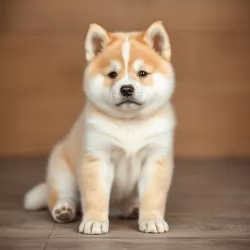 The Akita Inu is a large, powerful, and dignified dog breed known for its striking appearance, quiet nature, and unwavering loyalty.
Originating from Japan, it has a broad head, erect triangular ears, and a plush double coat that comes in red, white, brindle, or sesame, with characteristic urajiro (whitish markings). The Akita carries itself with pride and confidence, often aloof with strangers but deeply affectionate and protective toward its family.
Calm, intelligent, and strong-willed, the breed requires early socialization and firm, consistent training. Though not ideal for first-time owners, the Akita Inu is a loyal guardian and devoted companion for those who understand and respect its independent spirit.
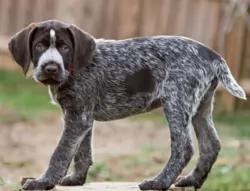 The Deutsch-Drahthaar is a medium sized well muscled sporting dog standing at 61 to 68 cm and weighing 27-32kg.
He is very distinguishable with his wiry water-resistant coat which comes in different colors such as liver, grey or black patches with a speckled or ticked background.
He has strong, straight legs with rounded paws which are webbed for strong swimming abilities. He has dark eyes with floppy, high set ears and a long tail. Many people still want the dog to have that distinctive look and they opt to have the tail docked.
The Deutsch-Drahthaar is a fantastic hunting companion, loving nothing more than to be working at running across fields and plunging into water to retrieve prey.
Its the kind of dog that will fit well into family life but he will require exercise. Failing to give him exercise and attention will make him bored, frustrated and destructive.
He is a friendly, gentle dog yet he becomes protective when he feels his family is threatened. Training and socialization turn him into an excellent pet as he is a strong-willed dog that will take advantage of an owner who isn’t firm with him.
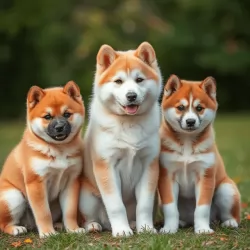 The Akita Inu is a large, noble, and powerful breed known for its dignified presence, strong loyalty, and quiet confidence. Originally bred for hunting and guarding, Akitas are naturally protective, courageous, and independent thinkers.
They form deep bonds with their family but are often aloof with strangers. Calm and clean by nature, they rarely bark without reason and carry themselves with elegance and strength.
Their double coat is thick and weather-resistant, requiring regular grooming, and they shed heavily, especially seasonally.
While intelligent, Akitas can be stubborn, so they thrive best with experienced owners who can offer consistent training and leadership. With proper care and socialization, the Akita Inu is a devoted, majestic companion.
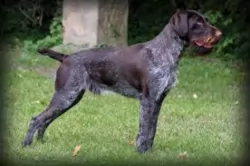 The German Wirehaired Pointer is an active, energetic dog who is happiest when performing a task or getting some exercise in. He is also a social dog, who loves spending time with his human family. It is important for him to get noticed by his human family, and he is a dog that gets on well with children in the home as well as pets.
Never just put your Pointer in the back yard and expect him to entertain himself. He wants to be included in all your activities, whether you’re walking, jogging or cycling.
A happy Deutsch Drahthaar will make sure that he gives you your full quota of love, loyalty, protection and companionship.
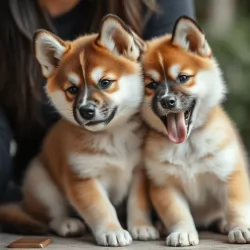 The Akita Inu is generally a strong and resilient breed, but it is prone to several genetic and breed-specific health issues.
Common concerns include hip and elbow dysplasia, progressive retinal atrophy (PRA), and hypothyroidism, all of which can affect mobility, vision, and metabolism.
The breed is also susceptible to autoimmune disorders like VKH-like syndrome and sebaceous adenitis, a skin condition causing hair loss and irritation. Additionally, Akitas may experience bloat (gastric torsion), a life-threatening emergency common in deep-chested dogs.
Regular veterinary care, proper diet, and responsible breeding practices are essential to help minimize health risks and ensure a long, healthy life.
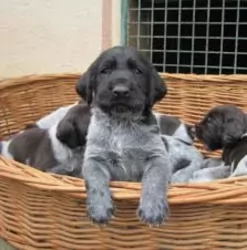 When you start doing research on these German wirehairs, you see that they are far more prone to hip- and elbow dysplasia than the short-haired breed.
Also, von Willebrand’s blood-clotting disease is something that you should know about. Your German wirehair is a healthy, robust dog and is highly unlikely to get sick, but you need to be aware of these common dog ailments so that you can help him and know what to watch for.
This Von Willebrand’s disease for instance is a blood disease brought about by a deficiency of von Willebrand Factor (vWF). A lack of this vWF impairs platelet stickiness and clumping and can lead to excessive bleeding after an injury.
You may notice bleeding from the gums, bruising of skin, prolonged bleeding after an injury as well as blood in the urine for instance. Get your pet to the vet who will perform a physical exam on your dog.
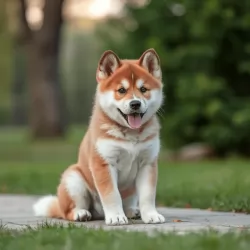 Caring for an Akita Inu involves commitment, consistency, and understanding of the breed's unique needs. They require regular grooming, especially during seasonal shedding, with brushing at least 2–3 times a week and daily during coat blow periods.
Akitas thrive on routine exercise, such as long walks or playtime in a secure area, but they aren’t overly energetic. Training and socialization should start early, using positive reinforcement and calm, firm leadership to manage their independent and protective nature.
They are best suited to homes where they are the only pet or properly introduced to others. Akitas are clean, quiet, and typically bond closely with their family, so providing mental stimulation, affection, and clear boundaries is key.
Regular vet checkups, a balanced diet, and proper social interaction help keep your Akita healthy, happy, and well-adjusted.
 Your Deutsch Drahthaar does shed, and because of his wiry coat, he won’t only require a brush twice a week, but also stripping by a professional doggy parlor.
There are several other grooming processes that are essential for your dog. The first is to check that his nails don’t get too long. This often happens when he spends all his time on soft grass. Running on a hard surface trims them down naturally.
Also, because he has floppy ears, they will need to be checked and cleaned regularly so he doesn’t get an ear infection. His teeth will also need to be brushed twice a week as tartar and plaque build-up can cause problems with the teeth but also with other areas of the body.
If in doubt about how to groom your pet the right way, speak to your vet or a dog expert.
There is so much conflicting information on caring for dogs, even from so-called dog experts. While there are some excellent dog food manufacturers around, some experts will say that you should be feeding your dog based on what his digestive system was designed to eat and steer clear of these.
If you do feed your German wirehaired Pointer with manufactured dog food, make sure it is the very best one, because after all, nutrition plays a vital role in your pet’s health.
Try to include some cooked vegetables, brown rice and some chicken into his diet. These can be mixed into his kibble. It is expensive, but try to include some raw meat into your dog’s diet from time to time. Ensure a constant supply of cool, fresh water.
If your Deutsch Drahthaar isn’t going to be used for breeding, make sure that your have him or her neutered or spayed as this is advisable to promote good health. Not doing it can cause health issues later on.