 MyDogBreeds
 Akita Inu is originated from Japan but Dingo is originated from Australia. Akita Inu may grow 11 cm / 5 inches higher than Dingo. Akita Inu may weigh 7 kg / 16 pounds more than Dingo. Akita Inu may live 5 years less than Dingo. Both Akita Inu and Dingo has almost same litter size. Both Akita Inu and Dingo requires Moderate maintenance.
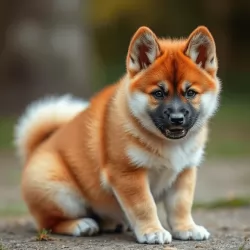 The Akita Inu, originating from Japan's snowy Akita Prefecture, has a long-standing legacy as a powerful hunting dog and loyal companion. Bred in the 1600s to track large game like boar and bear, the Akita quickly earned its place among Japanese nobility as a guardian and symbol of courage.
Its dignified nature and unwavering loyalty were immortalized in the true story of Hachikō, an Akita who waited nearly a decade for his deceased owner at a Tokyo train station. This devotion captured national and global admiration, leading to the breed’s recognition as a national treasure in Japan.
After World War II, American soldiers introduced Akitas to the West, giving rise to a larger, more robust variation known as the American Akita. Today, the Akita Inu remains a cherished breed worldwide for its strength, loyalty, and quiet dignity.
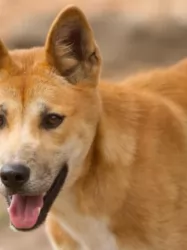 The Dingo dog was in all probability, introduced to Australia thousands of years ago. He isn’t your usual domesticated dog and in fact it is a feral dog native to Australia.There are stories that suggest that while they may have once been pets, they were abandoned so that they reverted back to their wild state.
They became pests for Australian farmers, going for their livestock, and huge fences were erected. The different climates in Australia have meant different kinds of Dingo developing, so while the desert ones are like the desert sands - golden yellow to red the alpine ones are rarer and are cream colored.
These wild canines were also introduced to Southeast Asia some 3,500 years ago, however the dog’s exact origin is debatable. There are any number of groups of people who could have brought the dingo to Australia, and among some of these are Indian mariners or maritime hunters.
The dog has been found in many parts of mainland Australia but never became established in Tasmania.There has also been an effort to remove the Dingo from farming areas. It is interesting to note that the first Dingo, referred to as the Australian dog, was registered at the London Zoo in 1828.
 The Akita Inu is a large, powerful, and dignified dog breed known for its striking appearance, quiet nature, and unwavering loyalty.
Originating from Japan, it has a broad head, erect triangular ears, and a plush double coat that comes in red, white, brindle, or sesame, with characteristic urajiro (whitish markings). The Akita carries itself with pride and confidence, often aloof with strangers but deeply affectionate and protective toward its family.
Calm, intelligent, and strong-willed, the breed requires early socialization and firm, consistent training. Though not ideal for first-time owners, the Akita Inu is a loyal guardian and devoted companion for those who understand and respect its independent spirit.
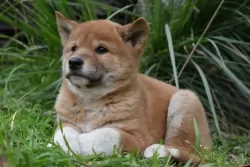 An interesting fact with these fascinating feral dogs, is that like humans, they’ve got rotating wrists. This characteristic of theirs allows them to use their paws much like the human hand to catch their prey. A domesticated Dingo can therefore learn how to open doors.
The Dingo is a medium sized dog standing at roughly 52 – 60cm in height, measuring up to 1.2 meters in length and weighing roughly between 23 to 32kg.
He has long canine teeth, a long muzzle, upright ears and a long, thick tail. The coat is essentially one color, sandy, white, cream, tan or black and sometimes there are white markings on the chest, the paws and around the muzzle.
The fur is typically shortish and thick — though the hair's thickness and length will depend on the climate of the area. The Dingo is a moderate shedder and a good brushing of the coat twice a week will keep the thick coat shiny and healthy.
These wild canines are social animals, and in the wild they live in packs. There are some that opt to live on their own.
They’e territorial, but they are able to share their living space with humans. They’re generally shy around humans, but a Dingo that is trained and socialized can get along well with children and pets in the home.
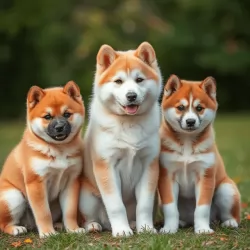 The Akita Inu is a large, noble, and powerful breed known for its dignified presence, strong loyalty, and quiet confidence. Originally bred for hunting and guarding, Akitas are naturally protective, courageous, and independent thinkers.
They form deep bonds with their family but are often aloof with strangers. Calm and clean by nature, they rarely bark without reason and carry themselves with elegance and strength.
Their double coat is thick and weather-resistant, requiring regular grooming, and they shed heavily, especially seasonally.
While intelligent, Akitas can be stubborn, so they thrive best with experienced owners who can offer consistent training and leadership. With proper care and socialization, the Akita Inu is a devoted, majestic companion.
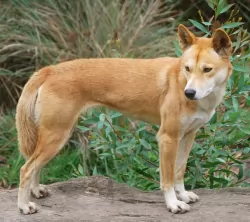 Dingoes have been domesticated successfully. Some people swear by them as making a fantastic pet. However, they’re wild dogs and can be unpredictable.
There are others who have tried to keep the Dingo as a pet but who have discarded them when they proved to be a danger in the home.
Dingoes can be trained but they’re high energy dogs and require a lot of exercise. How do you feel about owning a Dingo as a pet? Many people feel that its not fair to bring an essentially wild animal into your home. They feel that there are plenty of rescue dogs dying for a home without human beings searching in the wilds for an unusual pet, and regretting it later on.
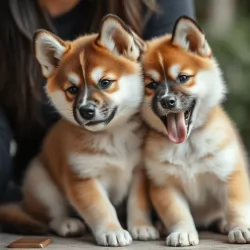 The Akita Inu is generally a strong and resilient breed, but it is prone to several genetic and breed-specific health issues.
Common concerns include hip and elbow dysplasia, progressive retinal atrophy (PRA), and hypothyroidism, all of which can affect mobility, vision, and metabolism.
The breed is also susceptible to autoimmune disorders like VKH-like syndrome and sebaceous adenitis, a skin condition causing hair loss and irritation. Additionally, Akitas may experience bloat (gastric torsion), a life-threatening emergency common in deep-chested dogs.
Regular veterinary care, proper diet, and responsible breeding practices are essential to help minimize health risks and ensure a long, healthy life.
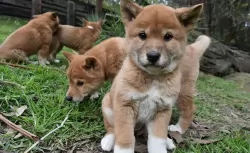 The Dingo is a long-lived dog and you can expect your Dingo to live till anything between 15 and 20 years.
When it comes to health issues, they are robust and resilient, having less medical problems to contend with than your regular dog.
However if you see that your Dingo is not his usual robust, energetic self, get him to the vet as soon as you can.
 Caring for an Akita Inu involves commitment, consistency, and understanding of the breed's unique needs. They require regular grooming, especially during seasonal shedding, with brushing at least 2–3 times a week and daily during coat blow periods.
Akitas thrive on routine exercise, such as long walks or playtime in a secure area, but they aren’t overly energetic. Training and socialization should start early, using positive reinforcement and calm, firm leadership to manage their independent and protective nature.
They are best suited to homes where they are the only pet or properly introduced to others. Akitas are clean, quiet, and typically bond closely with their family, so providing mental stimulation, affection, and clear boundaries is key.
Regular vet checkups, a balanced diet, and proper social interaction help keep your Akita healthy, happy, and well-adjusted.
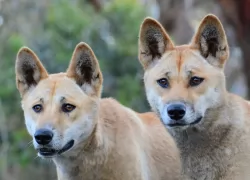 Caring for your Dingo will be different to caring for your usual pet dog. You have to remember the Dingo is an ancient, wild species with some unique characteristics. Having a Dingo as a pet and companion may not be an easy task, and it is why many people selfishly dump their Dingoes – they didn’t quite live up to what they had in mind.
Your Dingo, just like any other dog you’d have, will require training and socialization, and the earlier the better. No training will simply mean you having an unruly pet in the home.
Your Dingo can be fed just like you would with your other dogs. You can feed him quality dog kibble as his main diet, but you can also add in cooked rice, vegetables and chicken. Your Dingo is essentially a wild dog, so you will definitely want to include some raw meat into his diet from time to time as well.
A Dingo is used to running free so he will require plenty of outdoor exercise. He can also be put on a leash and taken for a walk. He’ll love joining you in your activities such as running alongside you as you jog or cycle. He can adapt to life in the city if he is well exercised but he isn’t suited to a small home or garden.