 MyDogBreeds
 Akita Inu is originated from Japan but Dunker is originated from Norway. Akita Inu may grow 16 cm / 7 inches higher than Dunker. Akita Inu may weigh 21 kg / 47 pounds more than Dunker. Both Akita Inu and Dunker has same life span. Both Akita Inu and Dunker has same litter size. Akita Inu requires Moderate maintenance. But Dunker requires Low maintenance
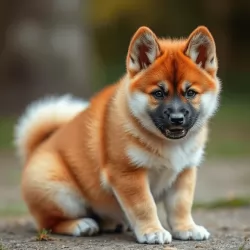 The Akita Inu, originating from Japan's snowy Akita Prefecture, has a long-standing legacy as a powerful hunting dog and loyal companion. Bred in the 1600s to track large game like boar and bear, the Akita quickly earned its place among Japanese nobility as a guardian and symbol of courage.
Its dignified nature and unwavering loyalty were immortalized in the true story of Hachikō, an Akita who waited nearly a decade for his deceased owner at a Tokyo train station. This devotion captured national and global admiration, leading to the breed’s recognition as a national treasure in Japan.
After World War II, American soldiers introduced Akitas to the West, giving rise to a larger, more robust variation known as the American Akita. Today, the Akita Inu remains a cherished breed worldwide for its strength, loyalty, and quiet dignity.
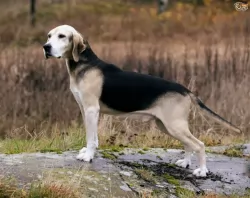 Known as the Norwegian Hound, the Dunker hails from Norway. Bred and named after breeder Wilhelm Dunker to be a robust scenthound, Norwegian Scenthounds were crossed with a Russian Harlequin Hound because this particular dog was an excellent scent trailer and it could stand up to the freezing conditions of Norway.
The Dunker become popular in the mid-19th century in other Scandinavian countries. Hunters liked its intelligence, its robustness and its speed and strength. In 1902 a club was founded for the breed and in the same year the Norwegian Kennel Club recognized the Dunker.
The Dunker started dying out after the war, and in the late 1980s breeders of the Dunker petitioned to allow them to cross the remaining Dunkers with scenthounds. Today the dog is known in Norway but is uncommon outside Scandinavia.
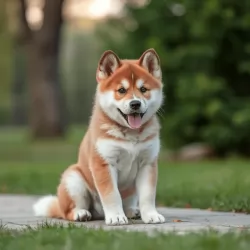
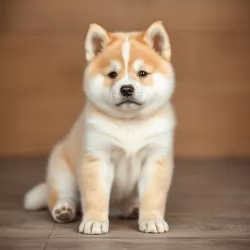 The Akita Inu is a large, powerful, and dignified dog breed known for its striking appearance, quiet nature, and unwavering loyalty.
Originating from Japan, it has a broad head, erect triangular ears, and a plush double coat that comes in red, white, brindle, or sesame, with characteristic urajiro (whitish markings). The Akita carries itself with pride and confidence, often aloof with strangers but deeply affectionate and protective toward its family.
Calm, intelligent, and strong-willed, the breed requires early socialization and firm, consistent training. Though not ideal for first-time owners, the Akita Inu is a loyal guardian and devoted companion for those who understand and respect its independent spirit.
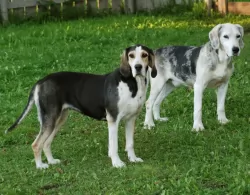
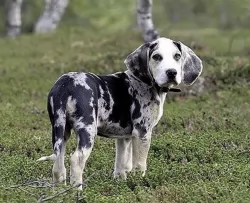 The Dunker is a medium sized dog which stands at between 50-55cms with females being slightly smaller at 47-52cms. They usually weigh between 11-18kg and look similar to other scenthounds, being muscular and athletic.
The ears of the Dunker are floppy, the tail is long and carried straight with a bit of a curve, the nose is large and black as well as the eyes, but some dogs have light eyes which can even be blue.
The coat of the Dunker is straight and dense and this coat of his is well known for the unique color of the coat – blue or black dappled, while some dogs will have black, tan and white markings. White faces are preferred but you will find dogs with black masks.
This is a non-aggressive dog and can become quite friendly when trained and socialized.
They are dogs that form strong bonds with their owners, being particularly good around children. They get on well with dogs and other pets in the home.
They’re intelligent dogs and are are easy to train. In fact, training and socialization is recommended for this dog as he does tend to be a bit stubborn.
Training ensures he is relaxed and obedient. He is an active dog and will certainly require some exercise each day. He’ll respond willingly if you call him to join you in your jogging- or cycling outings.
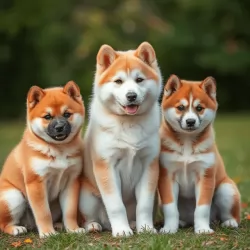 The Akita Inu is a large, noble, and powerful breed known for its dignified presence, strong loyalty, and quiet confidence. Originally bred for hunting and guarding, Akitas are naturally protective, courageous, and independent thinkers.
They form deep bonds with their family but are often aloof with strangers. Calm and clean by nature, they rarely bark without reason and carry themselves with elegance and strength.
Their double coat is thick and weather-resistant, requiring regular grooming, and they shed heavily, especially seasonally.
While intelligent, Akitas can be stubborn, so they thrive best with experienced owners who can offer consistent training and leadership. With proper care and socialization, the Akita Inu is a devoted, majestic companion.
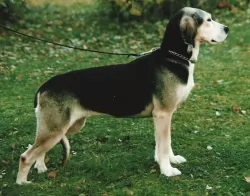 The Dunker is such a good tempered dog and he will be happy to settle in the city or the countryside with his owner.
When you look at his history, he is a hunting dog, used for hunting rabbits. Being an active breed, he is better suited to living in a home where there is at least a fair sized garden.
He isn’t a high maintenance dog either, so no special attention to grooming is required. Being a fairly healthy breed, he isn’t likely to develop any serious health issues too. This low-maintenance, undemanding Norwegian Hound makes a splendid pet.
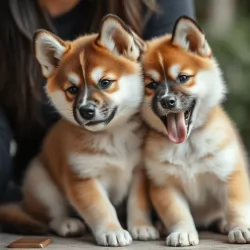 The Akita Inu is generally a strong and resilient breed, but it is prone to several genetic and breed-specific health issues.
Common concerns include hip and elbow dysplasia, progressive retinal atrophy (PRA), and hypothyroidism, all of which can affect mobility, vision, and metabolism.
The breed is also susceptible to autoimmune disorders like VKH-like syndrome and sebaceous adenitis, a skin condition causing hair loss and irritation. Additionally, Akitas may experience bloat (gastric torsion), a life-threatening emergency common in deep-chested dogs.
Regular veterinary care, proper diet, and responsible breeding practices are essential to help minimize health risks and ensure a long, healthy life.
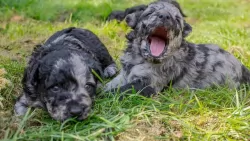 The Dunker dog can live to reach a ripe age of 12 to 15 years. There are some health issues he may face -
Partial or complete hearing loss can come about because of dirt or wax build-up in the ear canals. It can be because of an untreated ear infection, an injury or even old age.
Your veterinarian can examine your dog’s ear canal. Certain dog breeds such as the Dunker and others are more predisposed to deafness and you’ll find your dog responding slowly to your voice or he may be totally startled when woken.
Your vet will determine the type of treatment for your dog if an ear infection for instance is suspected. Treatment in this case may involve cleaning wax out of the ears or getting rid of overgrown ear hair.
Hip dysplasia is an inherited condition with your dog where bone rubs against other bone. Your Dunker dog will be in pain and his movement could be limited and he may even become lame. Get your pet to the vet because there are a number of treatment options.
Take a look at your pet’s eyes so that you’re aware of cloudiness, inflammation, discharge, a change in eye color or red eyelid lining. Take him to the vet if you suspect something serious, but in the meantime you can also gently wipe over your pet’s eyes to remove any discharge.
If you do need to bath your pet, make sure to protect his eyes before applying any lotion.
 Caring for an Akita Inu involves commitment, consistency, and understanding of the breed's unique needs. They require regular grooming, especially during seasonal shedding, with brushing at least 2–3 times a week and daily during coat blow periods.
Akitas thrive on routine exercise, such as long walks or playtime in a secure area, but they aren’t overly energetic. Training and socialization should start early, using positive reinforcement and calm, firm leadership to manage their independent and protective nature.
They are best suited to homes where they are the only pet or properly introduced to others. Akitas are clean, quiet, and typically bond closely with their family, so providing mental stimulation, affection, and clear boundaries is key.
Regular vet checkups, a balanced diet, and proper social interaction help keep your Akita healthy, happy, and well-adjusted.
 The Dunker is a dog with stamina and energy and he will need a walk every day as well as some other forms of vigorous exercise. The idea is to involve a dog like this in all your activities, whether you go running, swimming or cycling.
The Dunker isn’t going to require you to spend a lot of money on maintenance for him. A good brush-down twice a week will be adequate as he is a fairly heavy shedder and brushing him will get rid of all those loose hairs. It is also time to check him over for fleas and ticks too.
Other grooming aspects to check will include nail trimming, checking the inside of the dog’s ears for excess wax build-up and dirt.
Dental care is of major concern because teeth left unattended can result in mouth bacteria. This bacteria enters the blood stream and results in systemic infection. Sometimes the bad teeth can be so painful that a dog no longer wants to eat.
It is imperative to brush your pet’s teeth at least 2 or 3 times a week with a special dog toothbrush and toothpaste.