 MyDogBreeds
 Akita Inu is originated from Japan but English Mastiff is originated from United Kingdom. Both Akita Inu and English Mastiff are having almost same height. Akita Inu may weigh 74 kg / 163 pounds lesser than English Mastiff. Akita Inu may live 3 years more than English Mastiff. Both Akita Inu and English Mastiff has same litter size. Akita Inu requires Moderate maintenance. But English Mastiff requires Low maintenance
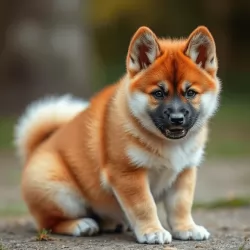 The Akita Inu, originating from Japan's snowy Akita Prefecture, has a long-standing legacy as a powerful hunting dog and loyal companion. Bred in the 1600s to track large game like boar and bear, the Akita quickly earned its place among Japanese nobility as a guardian and symbol of courage.
Its dignified nature and unwavering loyalty were immortalized in the true story of Hachikō, an Akita who waited nearly a decade for his deceased owner at a Tokyo train station. This devotion captured national and global admiration, leading to the breed’s recognition as a national treasure in Japan.
After World War II, American soldiers introduced Akitas to the West, giving rise to a larger, more robust variation known as the American Akita. Today, the Akita Inu remains a cherished breed worldwide for its strength, loyalty, and quiet dignity.
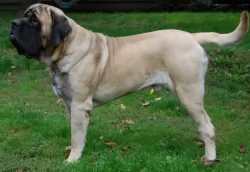 Throughout most of history there have been images created by people of very large, sturdy dogs that they shared their space with. The English Mastiff can trace some part of her ancestry to these same dogs. This breed is thought to have come from the stock of ancient breeds such as the Alpine Mastiff, Pugnaces Britanniae and Alaunt. The Mastiff in general has then become a main descendent of many other breeds of dogs since the 1880’s. The images of these types of dogs goes back to the 5th and 6th century.
There is no genetic evidence linking these dogs to the modern Mastiffs and the English Mastiff, but the resemblance is obvious. There is anecdotal evidence that these Mastiff type dogs were exported from England – the English Mastiff – to Greece to hunt game but were also used as war dogs by the Celts. The Alaunt was probably used the Normans and bred by the Alans. Writings and images throughout these times depicted a dog that looked very much like today’s English Mastiff. Some speculate that the English Mastiff came to the United States of the Mayflower.
There was a decline in the English Mastiff in its homeland in the 1800’s following the Cruelty to Animals Act of 1835 which prohibited owners and trainers from baiting animals. Then in the 19th century, prior to the first World War, systematic breeding programs began with J.W. Thompson. His first English Mastiff was a female named Dorah. Dorah’s ancestors included dogs from Thompson’s Grandfather. Captain John Garnier of the Royal Engineers also had dogs that contributed to the development of the English Mastiff.
During this time some breeders got away from pure type and began to breed for other factors. In the late 1800’s, Edgar Hanbury and Mark Hanbury Beaufoy began restoring the breed to its original soundness. One of their dogs was exported to the US were breeding to soundness continued until the First World War reduced the number of English Mastiffs around the world. By the time the war ended there were no English Mastiffs outside of England.
There was a dog in Canada named Beowulf and direct descendent of imports from Britain, who came to the States after the war and began to re-establish the breed on this continent and registered with the American Kennel Club. Yet as of 1945, the contribution from North
Breeding was stopped again for World War II and started again after the war. Many of these puppies died of distemper. Only one female had pups that were able to grow up into adults. North America sent dogs to England at this time and all of the Mastiffs from that time, could be traced back to Nydia and the 14 North American Mastiffs. Since then the breed has been restored slowly in Europe, North America and everywhere in the world.
The English Mastiff is known by his massive head with a black mask and comes in a wide variety of colors. He is also known as a gentle giant because of his personality and the love he has for his people.
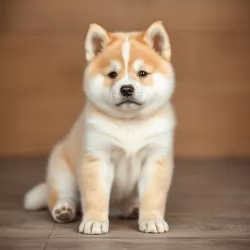 The Akita Inu is a large, powerful, and dignified dog breed known for its striking appearance, quiet nature, and unwavering loyalty.
Originating from Japan, it has a broad head, erect triangular ears, and a plush double coat that comes in red, white, brindle, or sesame, with characteristic urajiro (whitish markings). The Akita carries itself with pride and confidence, often aloof with strangers but deeply affectionate and protective toward its family.
Calm, intelligent, and strong-willed, the breed requires early socialization and firm, consistent training. Though not ideal for first-time owners, the Akita Inu is a loyal guardian and devoted companion for those who understand and respect its independent spirit.
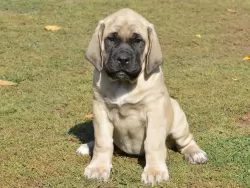 The English Mastiff is a giant dog with a broad head and body. In terms of mass it is the worlds largest dog, just a little bigger that the Saint Bernard. The Great Dane and the Irish Wolfhound are 6 inches taller but do not carry the weight and bulk of the Mastiff. Mostly square in his body and his head with a massive chest and wide set forelegs. The head is square and very large. No matter the color of the coat, the face should have a black mask like the St. Bernard. His eyes and nose are also dark.
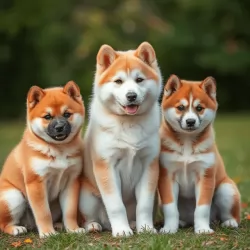 The Akita Inu is a large, noble, and powerful breed known for its dignified presence, strong loyalty, and quiet confidence. Originally bred for hunting and guarding, Akitas are naturally protective, courageous, and independent thinkers.
They form deep bonds with their family but are often aloof with strangers. Calm and clean by nature, they rarely bark without reason and carry themselves with elegance and strength.
Their double coat is thick and weather-resistant, requiring regular grooming, and they shed heavily, especially seasonally.
While intelligent, Akitas can be stubborn, so they thrive best with experienced owners who can offer consistent training and leadership. With proper care and socialization, the Akita Inu is a devoted, majestic companion.
 The English Mastiff is very happy to play with children. You willl need to be careful with small children as he does not know his size and is likely to sit on them.
This lovable giant is noble and loyal. He will protect his family and he will be courageous about it.
This is a big dog but he doesnt live outside. You need a big yard and perhaps a big house. He may not adapt to an apartment.
The English Mastiff is smart and certainly trainable. He can be independent and stubborn at times but he has the ability to learn.
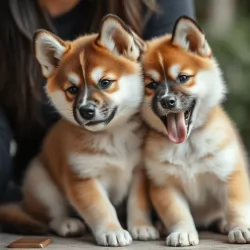 The Akita Inu is generally a strong and resilient breed, but it is prone to several genetic and breed-specific health issues.
Common concerns include hip and elbow dysplasia, progressive retinal atrophy (PRA), and hypothyroidism, all of which can affect mobility, vision, and metabolism.
The breed is also susceptible to autoimmune disorders like VKH-like syndrome and sebaceous adenitis, a skin condition causing hair loss and irritation. Additionally, Akitas may experience bloat (gastric torsion), a life-threatening emergency common in deep-chested dogs.
Regular veterinary care, proper diet, and responsible breeding practices are essential to help minimize health risks and ensure a long, healthy life.
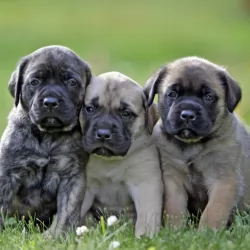 Being a massive dog can take its toll on the body’s development and that is certainly true of the English Mastiff. A lot of running is not recommended in the early life of the dog – preferable for the first two years. This could damage the joint’s growth plates and cause him a lot of problems in later years. Too much exercise in this massive dog can hurt him but so can, not enough exercise.
Some of the health issues other than this that the English Mastiff is prone to include:
A large dog like the English Mastiff is always prone to pain from arthritic joints. See your vet about pain medication.
A spot under the skin that is swollen and filled with fluid. Can be treated. It is not an infection or contagious.
Can result in lameness and arthritis.
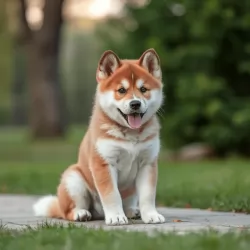 Caring for an Akita Inu involves commitment, consistency, and understanding of the breed's unique needs. They require regular grooming, especially during seasonal shedding, with brushing at least 2–3 times a week and daily during coat blow periods.
Akitas thrive on routine exercise, such as long walks or playtime in a secure area, but they aren’t overly energetic. Training and socialization should start early, using positive reinforcement and calm, firm leadership to manage their independent and protective nature.
They are best suited to homes where they are the only pet or properly introduced to others. Akitas are clean, quiet, and typically bond closely with their family, so providing mental stimulation, affection, and clear boundaries is key.
Regular vet checkups, a balanced diet, and proper social interaction help keep your Akita healthy, happy, and well-adjusted.
 This is an enormous dog that grows quickly. It is important to feed them properly as they grow. If he doesn’t get what he needs as a puppy you will not be able to make it up to him later on.
The English Mastiff puppy needs good nutrition for growing properly.
From 12-16 weeks of age feed him 3-4 cups a day of a high protein, high quality dry food. Break this up into 3-4 meals.
From 4 -6 months of age feed him 8-10 cups a day of a high protein, high quality dry food. Break this up into 2-3 meals.
From 6-18 months of age feed him 8-12 cups a day of a high protein, high quality, dry food. Break this up into 2-3 meals.
The English Mastiff is still growing from a year to 18 months. Starting at 18 months feed him 10-12 cups a day of high protein, high quality dry food. Break this up into 2 meals.
As your Mastiff ages, cut down on the protein and feed a dry food appropriate for his age.
The English Mastiff is a very large dog that should not be allowed to get obese since he is prone to dysplasia. He needs protein throughout puppyhood and until he is about 8-10.
This is a couch potato if you let him be. Make sure he gets at least one long walk per day or he will tend to gain weight. Play with them off leash about an hour every day.