 MyDogBreeds
 Akita Inu is originated from Japan but English Shepherd is originated from United States. Akita Inu may grow 13 cm / 6 inches higher than English Shepherd. Akita Inu may weigh 11 kg / 25 pounds more than English Shepherd. Both Akita Inu and English Shepherd has same life span. Both Akita Inu and English Shepherd has almost same litter size. Akita Inu requires Moderate maintenance. But English Shepherd requires Low maintenance
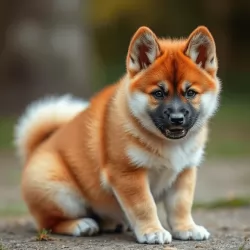 The Akita Inu, originating from Japan's snowy Akita Prefecture, has a long-standing legacy as a powerful hunting dog and loyal companion. Bred in the 1600s to track large game like boar and bear, the Akita quickly earned its place among Japanese nobility as a guardian and symbol of courage.
Its dignified nature and unwavering loyalty were immortalized in the true story of Hachikō, an Akita who waited nearly a decade for his deceased owner at a Tokyo train station. This devotion captured national and global admiration, leading to the breed’s recognition as a national treasure in Japan.
After World War II, American soldiers introduced Akitas to the West, giving rise to a larger, more robust variation known as the American Akita. Today, the Akita Inu remains a cherished breed worldwide for its strength, loyalty, and quiet dignity.
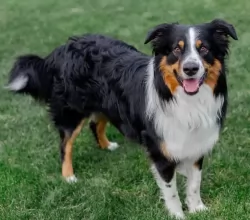 The English Shepherd is another dog with an English name that was developed in the United States. They developed from British farm dogs that were brought to the United States in the 17th, 18th and 19th centuries by the Scottish and English as they settled in the New World. Tracing their line through working dogs and collies in Scotland and northern England, the settlers bred them with local dogs and each other. These working farm dogs were called English Shepherds, Scotch Collies, barnyard collie, farm shepherd, the cow dog, and the old fashioned shepherd.
The English Shepherd was appreciated by the settlers and farmers because he was a versatile dog that could herd their flocks and protect their homes as well. They appreciated his intelligence and ability to hunt vermin and be a companion for their children. English Shepherds were bred to work with a variety of livestock such as pigs, cattle, goats, sheep and fowl. They were used to hunt as well and were known to track racoons and squirrels and tree them. There wasn’t a more popular dog in the American Midwest and East in the 1800’s and 1900’s.
The breed is trustworthy, alert and independent. As the small family farms were replaced by large agricultural enterprises the English Shepherd’s numbers dwindled as well until he fell into the category of a rare breed. There were no clubs to support it and not AKC recognition. The UKC had a different dog registered as a farm shepherd.
Today’s English Shepherd is still a farm dog, but he also hunts, is a therapy dog, competes in AKC trials, and performs search and rescue duties. As a farm dog, they are still the most desirable due to their versatility in working with different livestock, guarding the home and caring for the children. They do these things in a gentle way if possible but can be tough if needed. They have great empathy for the livestock and for their human family. This makes him a great dog for the family. The English Shepherd has remained a farm dog, working dog more than a show dog, over all these years.
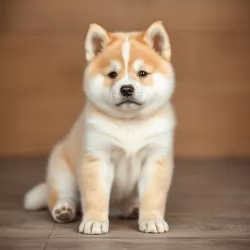 The Akita Inu is a large, powerful, and dignified dog breed known for its striking appearance, quiet nature, and unwavering loyalty.
Originating from Japan, it has a broad head, erect triangular ears, and a plush double coat that comes in red, white, brindle, or sesame, with characteristic urajiro (whitish markings). The Akita carries itself with pride and confidence, often aloof with strangers but deeply affectionate and protective toward its family.
Calm, intelligent, and strong-willed, the breed requires early socialization and firm, consistent training. Though not ideal for first-time owners, the Akita Inu is a loyal guardian and devoted companion for those who understand and respect its independent spirit.
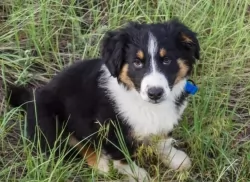 The American bred English Shepherd is a medium sized dog that looks somewhat like an Australian Shepherd or Border Collie. They have tails, never come in merle coloring and their head is not as rounded as the Australian Shepherd. A working dog, its proportionally very well balanced. Because the English Shepherd is so popular across the country, doing a wide variety of jobs, there is some regional differences in the dogs.
The coat can be curly or straight with feathering around the tail, ears and legs. Their heads are slightly rounded but broad and the muzzle is also broad with a solid black nose except for the clear sable dogs whose nose is brown. The eyes show you how intelligent and strong this breed is, and they should be round, brown and oblique. The ears are close to the head and wide apart.
With a strong, muscular back and shoulders the English Shepherd can do almost anything you ask him to. His legs are strong and straight, and his hind legs are muscular. His feet are compact, oval and well padded.
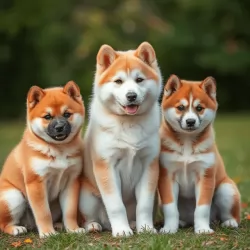 The Akita Inu is a large, noble, and powerful breed known for its dignified presence, strong loyalty, and quiet confidence. Originally bred for hunting and guarding, Akitas are naturally protective, courageous, and independent thinkers.
They form deep bonds with their family but are often aloof with strangers. Calm and clean by nature, they rarely bark without reason and carry themselves with elegance and strength.
Their double coat is thick and weather-resistant, requiring regular grooming, and they shed heavily, especially seasonally.
While intelligent, Akitas can be stubborn, so they thrive best with experienced owners who can offer consistent training and leadership. With proper care and socialization, the Akita Inu is a devoted, majestic companion.
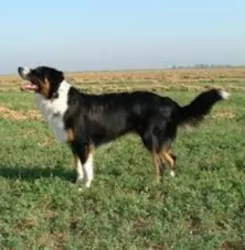 It may seem strange to talk about kindness in a working dog, but it is one of the defining traits of the English Shepherd, along with intelligence. The breed is extremely kind to everyone he lives with animals and people. Once he is secure in his job and takes in his children or his herd, he is one of the best caretakers around. He is an independent thinker, is easily trained, and highly affectionate. However, he does see himself as the boss and unless you establish yourself in that alpha role you could have problems.
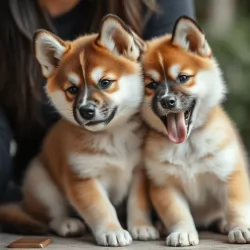 The Akita Inu is generally a strong and resilient breed, but it is prone to several genetic and breed-specific health issues.
Common concerns include hip and elbow dysplasia, progressive retinal atrophy (PRA), and hypothyroidism, all of which can affect mobility, vision, and metabolism.
The breed is also susceptible to autoimmune disorders like VKH-like syndrome and sebaceous adenitis, a skin condition causing hair loss and irritation. Additionally, Akitas may experience bloat (gastric torsion), a life-threatening emergency common in deep-chested dogs.
Regular veterinary care, proper diet, and responsible breeding practices are essential to help minimize health risks and ensure a long, healthy life.
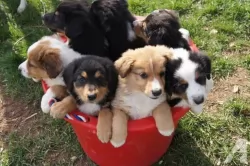 Like many other herding breeds, it has been found that about 15% of English Shepherds had a gene mutation called MDR1. This means they have adverse reaction and high sensitivity to many common drugs for dogs. This condition could be life-threatening so test your dog for it and know what you are up against.
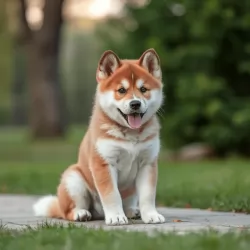 Caring for an Akita Inu involves commitment, consistency, and understanding of the breed's unique needs. They require regular grooming, especially during seasonal shedding, with brushing at least 2–3 times a week and daily during coat blow periods.
Akitas thrive on routine exercise, such as long walks or playtime in a secure area, but they aren’t overly energetic. Training and socialization should start early, using positive reinforcement and calm, firm leadership to manage their independent and protective nature.
They are best suited to homes where they are the only pet or properly introduced to others. Akitas are clean, quiet, and typically bond closely with their family, so providing mental stimulation, affection, and clear boundaries is key.
Regular vet checkups, a balanced diet, and proper social interaction help keep your Akita healthy, happy, and well-adjusted.
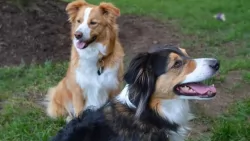 Remember the English Shepherd is a hard working dog. But if you don’t work him don’t overfeed him. Twice a day, he needs about one half cup of a good quality dry food made with an active, medium sized dog in mind.
In addition to the health concern listed above, the English Shepherd is also prone to:
Both elbow and hip dysplasia can plaque the English Shepherd as it does almost any active breed. Have your puppy tested as it can cause lameness and arthritis.
This is a herding breed and they need exercise. They need a job. They are intelligent and work oriented so make sure they have something to do. Take them to herding trails and have their herding instinct tested. Put them to work in flyball, agility, frisbee, tracking, obedience, rally, herding and showmanship events. Just make sure your English Shepherd has enough to keep his mind and body stimulated at a high rate every day.