 MyDogBreeds
 Akita Inu is originated from Japan but German Shepherd is originated from Germany. Both Akita Inu and German Shepherd are having almost same height. Both Akita Inu and German Shepherd are having almost same weight. Both Akita Inu and German Shepherd has almost same life span. Akita Inu may have less litter size than German Shepherd. Akita Inu requires Moderate maintenance. But German Shepherd requires Low maintenance
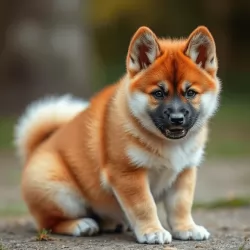 The Akita Inu, originating from Japan's snowy Akita Prefecture, has a long-standing legacy as a powerful hunting dog and loyal companion. Bred in the 1600s to track large game like boar and bear, the Akita quickly earned its place among Japanese nobility as a guardian and symbol of courage.
Its dignified nature and unwavering loyalty were immortalized in the true story of Hachikō, an Akita who waited nearly a decade for his deceased owner at a Tokyo train station. This devotion captured national and global admiration, leading to the breed’s recognition as a national treasure in Japan.
After World War II, American soldiers introduced Akitas to the West, giving rise to a larger, more robust variation known as the American Akita. Today, the Akita Inu remains a cherished breed worldwide for its strength, loyalty, and quiet dignity.
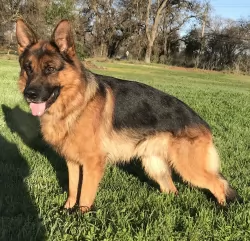 In 1882 german shepherd was introduced in a show at Hanover. They were created
by the cross breeding of the rural sheep dogs by a man named Max. In 1906 they were first
exported to America. After that the breed became very popular in UK.
In 1882 german shepherd was introduced in a show at Hanover. They were created
by the cross breeding of the rural sheep dogs by a man named Max. In 1906 they were first
exported to America. After that the breed became very popular in UK.
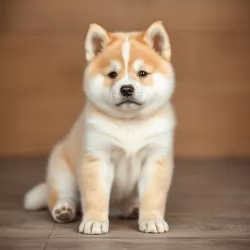 The Akita Inu is a large, powerful, and dignified dog breed known for its striking appearance, quiet nature, and unwavering loyalty.
Originating from Japan, it has a broad head, erect triangular ears, and a plush double coat that comes in red, white, brindle, or sesame, with characteristic urajiro (whitish markings). The Akita carries itself with pride and confidence, often aloof with strangers but deeply affectionate and protective toward its family.
Calm, intelligent, and strong-willed, the breed requires early socialization and firm, consistent training. Though not ideal for first-time owners, the Akita Inu is a loyal guardian and devoted companion for those who understand and respect its independent spirit.
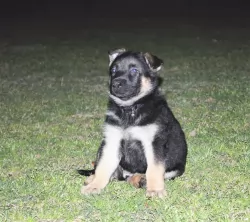 The GSD is very good for being a watchdog and hence it do not welcome guests to home.
But when trained from a puppy it will suit itself for making new friends. GSD like to be
always with somebody and they can be its master or his family members or else its partner.
The GSD is very intelligent and active hence they should be always kept busy, exercised
and playing. Nowadays many of them are trained well and made as four legged stars.
The GSD is very good for being a watchdog and hence it do not welcome guests to home.
But when trained from a puppy it will suit itself for making new friends. GSD like to be
always with somebody and they can be its master or his family members or else its partner.
The GSD is very intelligent and active hence they should be always kept busy, exercised
and playing. Nowadays many of them are trained well and made as four legged stars.
When we see all around the world many of them are involved in helping the physically challenged people. Also they are very important personnels in working with police and military for finding the criminals. Their excellent sniffing power works very good when given proper training for finding illegal smuggling. But basically the breed was set in to herd the sheep and protect them from predators.
Based on the popularity they are ranked 2nd in US and 4th in UK.
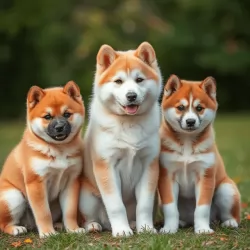 The Akita Inu is a large, noble, and powerful breed known for its dignified presence, strong loyalty, and quiet confidence. Originally bred for hunting and guarding, Akitas are naturally protective, courageous, and independent thinkers.
They form deep bonds with their family but are often aloof with strangers. Calm and clean by nature, they rarely bark without reason and carry themselves with elegance and strength.
Their double coat is thick and weather-resistant, requiring regular grooming, and they shed heavily, especially seasonally.
While intelligent, Akitas can be stubborn, so they thrive best with experienced owners who can offer consistent training and leadership. With proper care and socialization, the Akita Inu is a devoted, majestic companion.
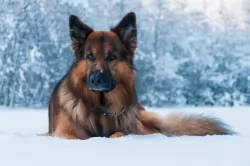 The GSD is a very good child friendly dog, they love to play with kids.
They adopts both hot and cold climates, but they like cold weather very much and also their body is suitable for cold than hot.
The GSD has high ability to learn tricks and also they are interested in learning. As they have very high intelligence they learn very easily and quickly.
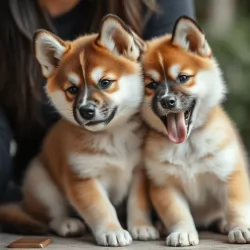 The Akita Inu is generally a strong and resilient breed, but it is prone to several genetic and breed-specific health issues.
Common concerns include hip and elbow dysplasia, progressive retinal atrophy (PRA), and hypothyroidism, all of which can affect mobility, vision, and metabolism.
The breed is also susceptible to autoimmune disorders like VKH-like syndrome and sebaceous adenitis, a skin condition causing hair loss and irritation. Additionally, Akitas may experience bloat (gastric torsion), a life-threatening emergency common in deep-chested dogs.
Regular veterinary care, proper diet, and responsible breeding practices are essential to help minimize health risks and ensure a long, healthy life.
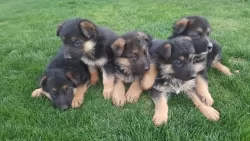 The GSD has the chances for getting orthopaedic diseases such as hip dysplasia
and elbow dysplasia. Other common orthopaedic problems which affects GSD are Panosteitis,
Osteochondritis and cruciate ligament rupture.They also get some skin problems such as
allergies and pyoderma. Digestive problems such as chronic diarrhea and colitis are
also seen in GSD.
The GSD has the chances for getting orthopaedic diseases such as hip dysplasia
and elbow dysplasia. Other common orthopaedic problems which affects GSD are Panosteitis,
Osteochondritis and cruciate ligament rupture.They also get some skin problems such as
allergies and pyoderma. Digestive problems such as chronic diarrhea and colitis are
also seen in GSD.
GSD is a continuous shedder. They are having a two layer coat. They should be brushed daily as it will remove the dead fur and thus prevents shedding.
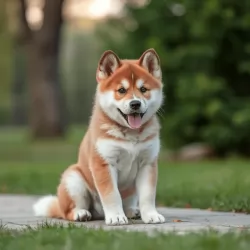 Caring for an Akita Inu involves commitment, consistency, and understanding of the breed's unique needs. They require regular grooming, especially during seasonal shedding, with brushing at least 2–3 times a week and daily during coat blow periods.
Akitas thrive on routine exercise, such as long walks or playtime in a secure area, but they aren’t overly energetic. Training and socialization should start early, using positive reinforcement and calm, firm leadership to manage their independent and protective nature.
They are best suited to homes where they are the only pet or properly introduced to others. Akitas are clean, quiet, and typically bond closely with their family, so providing mental stimulation, affection, and clear boundaries is key.
Regular vet checkups, a balanced diet, and proper social interaction help keep your Akita healthy, happy, and well-adjusted.
The GSD should be given an cool environment which they will enjoy a lot.
The GSD puppy should be fed small quantities of food but several times per day as it needs to gain 2 gms weight per day. The preferred food for them is dry food along with raw liver pieces which would provide them excellent energy. The protein food given to puppy should contain 25 to 30% calories. Puppies consume more food when compared with adults.
The GSD needs a food which has a considerable amount of protein. They are carnivores in the nature. The protein can be given from cooked meat. The artificial food products will not be suitable for them. When are provided with protein food they will gain fat from itself. The recommended fat content for GSD is 5% to 8%.
The GSD should be provided with a nutritional food for their good health.
Physical exercises are very much needed for GSD since they are very energetic and power packed. It is highly recommended to make them play and run daily as they don't need to get bored. They can be made to climb in hilly areas as they want to explore their surroundings. They can be made to swim or play hide and seek and find the missing objects. Regular morning walk will be very good for them.