 MyDogBreeds
 Both Akita Inu and Kishu are originated from Japan. Akita Inu may grow 15 cm / 6 inches higher than Kishu. Akita Inu may weigh 12 kg / 27 pounds more than Kishu. Both Akita Inu and Kishu has almost same life span. Akita Inu may have more litter size than Kishu. Both Akita Inu and Kishu requires Moderate maintenance.
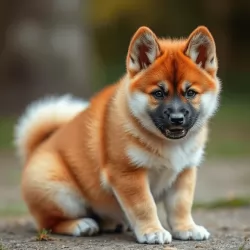 The Akita Inu, originating from Japan's snowy Akita Prefecture, has a long-standing legacy as a powerful hunting dog and loyal companion. Bred in the 1600s to track large game like boar and bear, the Akita quickly earned its place among Japanese nobility as a guardian and symbol of courage.
Its dignified nature and unwavering loyalty were immortalized in the true story of Hachikō, an Akita who waited nearly a decade for his deceased owner at a Tokyo train station. This devotion captured national and global admiration, leading to the breed’s recognition as a national treasure in Japan.
After World War II, American soldiers introduced Akitas to the West, giving rise to a larger, more robust variation known as the American Akita. Today, the Akita Inu remains a cherished breed worldwide for its strength, loyalty, and quiet dignity.
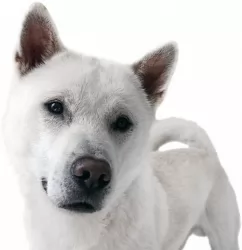 The Kishu is a Spitz type hunting dog that originates from Japan. Many people believe he is a descendant of the wolf. Those who have studied the dog say that it has kept its genetic purity and that there has been very little cross breeding with other dogs.
The Kishu is also known as the Kumano Ken, a name given after the area the dog originated from. The breed was officially recognized and standardized in 1934, and is known as the Kishu Ken. In 1934 the dog was also designated a Living Natural Monument in Japan and is protected by law.
The dog is also included in the group ‘Asian Spitz and Related Breeds’ class of primitive dogs.
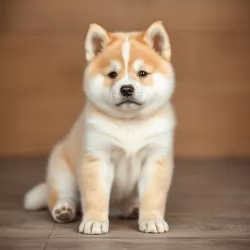 The Akita Inu is a large, powerful, and dignified dog breed known for its striking appearance, quiet nature, and unwavering loyalty.
Originating from Japan, it has a broad head, erect triangular ears, and a plush double coat that comes in red, white, brindle, or sesame, with characteristic urajiro (whitish markings). The Akita carries itself with pride and confidence, often aloof with strangers but deeply affectionate and protective toward its family.
Calm, intelligent, and strong-willed, the breed requires early socialization and firm, consistent training. Though not ideal for first-time owners, the Akita Inu is a loyal guardian and devoted companion for those who understand and respect its independent spirit.
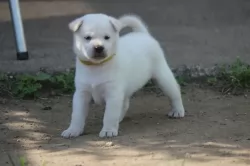 The Kishu is a medium sized dog standing between 43 – 56cm in height and weight is between 14 – 27kg.
He has a short, straight double coat which can be white, red or brindle. The dog has minimal shedding, making him an easy dog to groom.
The nose of the dog is black, but particularly with the white coated dogs, the nose can be brownish or pink in color. The ears are erect and pointed forwards and the tail is carried slightly curved over the dog's back.
The docile Kishu is no pushover and he is a strong minded, courageous dog. He is also an amicable dog breed, getting on well with his human family as well as with other dogs in the home.
He is somewhat aloof and reserved around strangers. Even though he is a docile dog, it is a good idea to have him trained and socialized so that he can be obedient and balanced in all situations.
He is intelligent and learns easily. An interesting aspect with the Kishu Ken is that he likes to take in everything going on from a vantage point, often seeking out a higher spot from where he can look about.
Kishu Kens like to keep an eye on whatever is going on, and sometimes he looks for a high place so that he can survey everything. They can be aloof or shy around strangers.
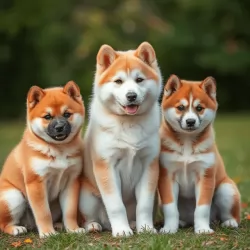 The Akita Inu is a large, noble, and powerful breed known for its dignified presence, strong loyalty, and quiet confidence. Originally bred for hunting and guarding, Akitas are naturally protective, courageous, and independent thinkers.
They form deep bonds with their family but are often aloof with strangers. Calm and clean by nature, they rarely bark without reason and carry themselves with elegance and strength.
Their double coat is thick and weather-resistant, requiring regular grooming, and they shed heavily, especially seasonally.
While intelligent, Akitas can be stubborn, so they thrive best with experienced owners who can offer consistent training and leadership. With proper care and socialization, the Akita Inu is a devoted, majestic companion.
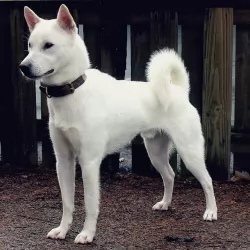 The Kishu is a hardy dog breed known for his exceptional hunting instincts and loyalty. He is a brave, clever, playful, tenacious dog eager to please his master.
He isn’t so much a hunting dog anymore but is essentially a companion dog, bonding closely with his human family. He will get on well with children and pets in the home, but more so when he has been trained and socialized.
Apart from making a splendid companion, the Kishu promises to be an excellent guard dog to anyone who threatens his human family.
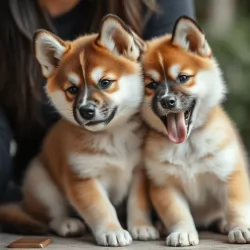 The Akita Inu is generally a strong and resilient breed, but it is prone to several genetic and breed-specific health issues.
Common concerns include hip and elbow dysplasia, progressive retinal atrophy (PRA), and hypothyroidism, all of which can affect mobility, vision, and metabolism.
The breed is also susceptible to autoimmune disorders like VKH-like syndrome and sebaceous adenitis, a skin condition causing hair loss and irritation. Additionally, Akitas may experience bloat (gastric torsion), a life-threatening emergency common in deep-chested dogs.
Regular veterinary care, proper diet, and responsible breeding practices are essential to help minimize health risks and ensure a long, healthy life.
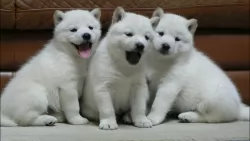 Before you bring a new puppy or rescue dog into your home, you must be prepared for the responsibility of a dog. If you're just simply looking for a watchdog to stick into your backyard, you're being cruel.
A dog is a social creature and you need to spend time with them and care for them. Sometimes he can get sick and then you may need to get him to the vet.
Some of the illnesses your Kishu can get will be easily treatable, while others may be life-threatening and require surgery.
The health of your dog will depend a lot on the food you provide it with as well as your lifestyle. Common dog health problems can range from typical eye- and ear infections to bloat, hip dysplasia and cancers.
The thyroid gland doesn’t produce enough thyroid hormone which can lead to other health problems such as tiredness and weight gain. A daily thyroid pill from the vet can help sort this issue out.
This is a common health problem, seen more in older dogs. Your once active dog will move around slower and battle to stand up after lying down.
Arthritis can’t be cured but you can alleviate the pain and suffering. Your vet will tell you that diet and nutrition are important factors to ward off arthritis in the first place.
If your dog has arthritis and is in pain, get him to your vet who can prescribe medications to alleviate the symptoms.
This is a respiratory infection which can be transmitted from one dog to another. You’ll notice coughing, tiredness, runny nose and watery eyes and loss of appetite. Take him to your vet who will know what to do to speed up recovery for your pet.
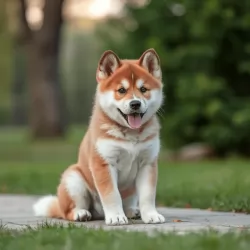 Caring for an Akita Inu involves commitment, consistency, and understanding of the breed's unique needs. They require regular grooming, especially during seasonal shedding, with brushing at least 2–3 times a week and daily during coat blow periods.
Akitas thrive on routine exercise, such as long walks or playtime in a secure area, but they aren’t overly energetic. Training and socialization should start early, using positive reinforcement and calm, firm leadership to manage their independent and protective nature.
They are best suited to homes where they are the only pet or properly introduced to others. Akitas are clean, quiet, and typically bond closely with their family, so providing mental stimulation, affection, and clear boundaries is key.
Regular vet checkups, a balanced diet, and proper social interaction help keep your Akita healthy, happy, and well-adjusted.
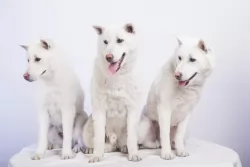 The Kishu will need to be brushed twice a week to keep the coat free of dust and loose hairs. Their ears should be checked regularly too for wax build up and dirt as ear infections are a common dog illness.
Their nails should also be trimmed regularly. Take him regularly to have his teeth cleaned because dental problems can put his entire body at risk for disease.
The Kishu needs a good sized garden to roam. He is best suited to country life because he needs regular exercise. If he lives in the city, put him on a leash and take him for walks.
Apart from exercise, good food is imperative as nutritious food contributes to longevity. Top quality food and the right size portions can ensure lean, energetic, happy, healthy dogs.
Take trouble to understand the ingredients listed on the commercial dog food packaging. Generally the low quality, processed commercial foods are inflammatory.
Even if you go for the top brand kibble, don’t just provide your pet with dry kibble night after night. Mix in some cooked chicken, brown rice and vegetables.
Remember too, that fresh whole foods such as vegetables have live enzymes and are packed full of fiber which is so necessary for digestion. A good diet with fresh, cool water is guaranteed to provide an excellent dimension to your pet’s health.