 MyDogBreeds
 Akita Inu is originated from Japan but Komondor is originated from Hungary. Both Akita Inu and Komondor are having almost same height. Akita Inu may weigh 21 kg / 46 pounds lesser than Komondor. Akita Inu may live 3 years more than Komondor. Both Akita Inu and Komondor has same litter size. Akita Inu requires Moderate maintenance. But Komondor requires High maintenance
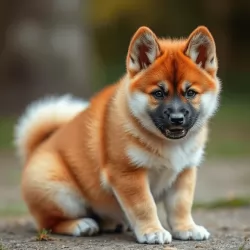 The Akita Inu, originating from Japan's snowy Akita Prefecture, has a long-standing legacy as a powerful hunting dog and loyal companion. Bred in the 1600s to track large game like boar and bear, the Akita quickly earned its place among Japanese nobility as a guardian and symbol of courage.
Its dignified nature and unwavering loyalty were immortalized in the true story of Hachikō, an Akita who waited nearly a decade for his deceased owner at a Tokyo train station. This devotion captured national and global admiration, leading to the breed’s recognition as a national treasure in Japan.
After World War II, American soldiers introduced Akitas to the West, giving rise to a larger, more robust variation known as the American Akita. Today, the Akita Inu remains a cherished breed worldwide for its strength, loyalty, and quiet dignity.
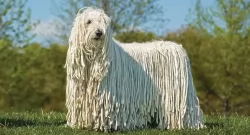 Looking like a giant mop, and sometimes being referred to as 'mop dogs' the Komondor, known also as the Hungarian sheepdog, hails from Hungary.
The dog was brought to Europe centuries ago so he is a well established breed. It has been declared as one of the country's national treasures.
He is a dog related to many other dogs such as the Pulim the Ovcharka, the Bearded Collie, Old English Sheepdog and others.
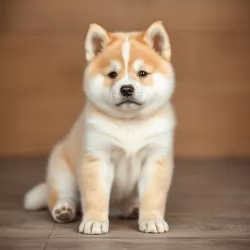 The Akita Inu is a large, powerful, and dignified dog breed known for its striking appearance, quiet nature, and unwavering loyalty.
Originating from Japan, it has a broad head, erect triangular ears, and a plush double coat that comes in red, white, brindle, or sesame, with characteristic urajiro (whitish markings). The Akita carries itself with pride and confidence, often aloof with strangers but deeply affectionate and protective toward its family.
Calm, intelligent, and strong-willed, the breed requires early socialization and firm, consistent training. Though not ideal for first-time owners, the Akita Inu is a loyal guardian and devoted companion for those who understand and respect its independent spirit.
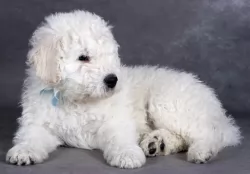 Known for his unique long corded, singular white coat, the Komondor, a molosser dog, is large. Females start at 64cm in height and both males and females can reach up to 76cm in height.
This unusual coat of theirs is wavy and actually forms cords or dreadlocks as the dog matures. You can't easily see the dog's face because of all the hair.You also can't see the tail easily, in fact you might think he hasn't got a tail as it is obscured by the hair. The tail is medium length and held low.
He has a large head, dark brown eyes, and floppy ears. The coat is certainly going to require grooming even though the dog doesn't shed much. His body is robust and well muscled with the body being slightly longer than the height of the dog.
The Komondor has been a dog used for guarding livestock, and while his character is calm and balanced, when the livestock is threatened, he can show another side – more aggressive – as he defends his flock. He makes an excellent watchdog.
He is an affectionate dog with his human family, being a gentle playmate of children. He is slightly reserved and wary of strangers, and is willing to guard and protect his human family from them.
He is also good with other family pets. When you look at him you might think of him as not being very energetic, but he is an athletic dog, fast and powerful. Because of his size and speed, it is best to have him trained and socialized as he can be obstinate. Training him makes him obedient.
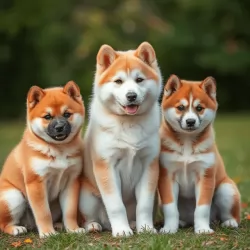 The Akita Inu is a large, noble, and powerful breed known for its dignified presence, strong loyalty, and quiet confidence. Originally bred for hunting and guarding, Akitas are naturally protective, courageous, and independent thinkers.
They form deep bonds with their family but are often aloof with strangers. Calm and clean by nature, they rarely bark without reason and carry themselves with elegance and strength.
Their double coat is thick and weather-resistant, requiring regular grooming, and they shed heavily, especially seasonally.
While intelligent, Akitas can be stubborn, so they thrive best with experienced owners who can offer consistent training and leadership. With proper care and socialization, the Akita Inu is a devoted, majestic companion.
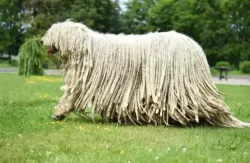 The Komondor is known for his strong guardian characteristics, especially with his human family. He is loving and loyal towards them while being wary of strangers.
True, his coat can make people think twice before making this dog a pet, but if you're game and ready to attend to his coat, he can make an excellent family pet. They're fine with other pets too, and he is also an intelligent dog, capable of being easily trained.
He needs a good deal of exercise and can become noisy and destructive without the right amount of stimulation. If you do your part with the Komondor and provide him with a loving, caring home, he will be an awesome pet and guard you with his life.
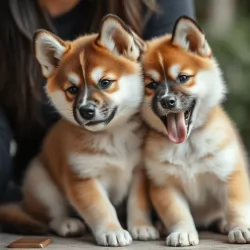 The Akita Inu is generally a strong and resilient breed, but it is prone to several genetic and breed-specific health issues.
Common concerns include hip and elbow dysplasia, progressive retinal atrophy (PRA), and hypothyroidism, all of which can affect mobility, vision, and metabolism.
The breed is also susceptible to autoimmune disorders like VKH-like syndrome and sebaceous adenitis, a skin condition causing hair loss and irritation. Additionally, Akitas may experience bloat (gastric torsion), a life-threatening emergency common in deep-chested dogs.
Regular veterinary care, proper diet, and responsible breeding practices are essential to help minimize health risks and ensure a long, healthy life.
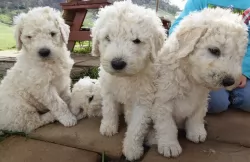 The Komondor is a healthy dog breed who can live to be 10, 11 or 12 years if you look after him well. There aren't any known genetic disorders prominent with the dog, but it pays to know about some of those that could strike -
This is an irritating eye problem where the eyelash rubs up against the eyes.The result can be scratching of the cornea and eye infections. It is an eye problem which can be corrected with surgery.
Hip dysplasia is a serious genetically inherited disorder and common in large dog breeds. It is caused by a malformation of the hip joint. It can cause problems for the dog, weakening the hip and making it incapable of supporting the weight of the dog.
It also leads to pain for the dog, difficulty with moving and even total lameness. Weight, size of dog, age and genetics are all factors which can increase the dog's likelihood of developing hip dysplasia.
Whimpering, lethargy and refusing to put weight on the leg are common signs of hip dysplasia and your vet will go ahead with ways to relieve the pain and symptoms of your Komondor.
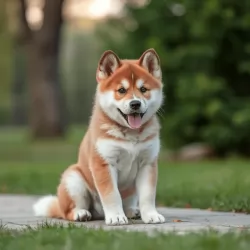 Caring for an Akita Inu involves commitment, consistency, and understanding of the breed's unique needs. They require regular grooming, especially during seasonal shedding, with brushing at least 2–3 times a week and daily during coat blow periods.
Akitas thrive on routine exercise, such as long walks or playtime in a secure area, but they aren’t overly energetic. Training and socialization should start early, using positive reinforcement and calm, firm leadership to manage their independent and protective nature.
They are best suited to homes where they are the only pet or properly introduced to others. Akitas are clean, quiet, and typically bond closely with their family, so providing mental stimulation, affection, and clear boundaries is key.
Regular vet checkups, a balanced diet, and proper social interaction help keep your Akita healthy, happy, and well-adjusted.
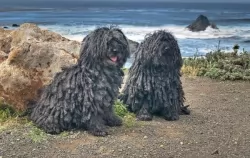 The Komondor is most certainly not a low maintenance dog with that extraordinary coat.Before the dog turns 1, the coat begins to form its cords. These cords can become discolored and matted, In fact the cords will need to be separated to keep the dog clean and free of matted hair.
For those who keep the dog as a pet and who don't want him to be a show dog, he can be trimmed, otherwise the coat and its maintenance could turn out to be a real issue.
Of course once the distinctive coat has been sheared, he loses that typical and recognizable Komondor look.
Check his ears on a regular basis for wax- and dirt buildup so as to prevent ear infection.
Teeth need to be checked regularly to prevent tartar buildup and if you don't have the time or the knowledge to keep his teeth clean and maintained, take him to the vet as the teeth-treatments they do there will promote healthy teeth and gums.