 MyDogBreeds
 Akita Inu is originated from Japan but Kunming Dog is originated from China. Both Akita Inu and Kunming Dog are having almost same height. Both Akita Inu and Kunming Dog are having almost same weight. Both Akita Inu and Kunming Dog has almost same life span. Both Akita Inu and Kunming Dog has almost same litter size. Both Akita Inu and Kunming Dog requires Moderate maintenance.
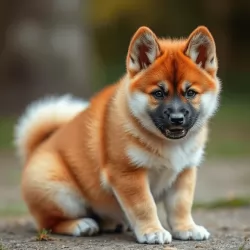 The Akita Inu, originating from Japan's snowy Akita Prefecture, has a long-standing legacy as a powerful hunting dog and loyal companion. Bred in the 1600s to track large game like boar and bear, the Akita quickly earned its place among Japanese nobility as a guardian and symbol of courage.
Its dignified nature and unwavering loyalty were immortalized in the true story of Hachikō, an Akita who waited nearly a decade for his deceased owner at a Tokyo train station. This devotion captured national and global admiration, leading to the breed’s recognition as a national treasure in Japan.
After World War II, American soldiers introduced Akitas to the West, giving rise to a larger, more robust variation known as the American Akita. Today, the Akita Inu remains a cherished breed worldwide for its strength, loyalty, and quiet dignity.
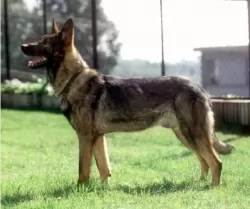 Known also as the Kunming Wolfdog, the Kunming Dog is similar in looks to the German Shepherd Dog, but the coat is recognizably shorter.
It’s an attractive looking wolf-like dog which comes from China. It isn’t quite clear which dog breeds were used in the gene pool for these Kunming wolfdogs. You can see though that the German Shepherd as well as other wolfdog-crosses have played a part in the breed's origin.
The dog was created in the early 1950s for military- and guard dog purposes. In 1988, the Chinese Public Security Bureau officially recognized the Kunming Dog as a breed. Today, the dog is still used in military and police services.
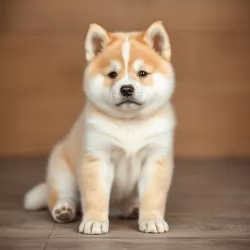 The Akita Inu is a large, powerful, and dignified dog breed known for its striking appearance, quiet nature, and unwavering loyalty.
Originating from Japan, it has a broad head, erect triangular ears, and a plush double coat that comes in red, white, brindle, or sesame, with characteristic urajiro (whitish markings). The Akita carries itself with pride and confidence, often aloof with strangers but deeply affectionate and protective toward its family.
Calm, intelligent, and strong-willed, the breed requires early socialization and firm, consistent training. Though not ideal for first-time owners, the Akita Inu is a loyal guardian and devoted companion for those who understand and respect its independent spirit.
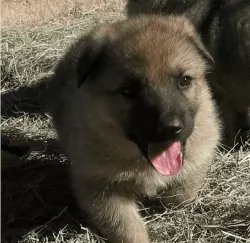 The Kunming is a large dog, athletic and muscular, standing at 60 – 68cm and weighing 30 – 38kg. They are dogs which fall under the Spitz type category.
The dog has a coat which is considered seasonal - double layered in the cooler months and shedding to a shorter coat in the hotter months. The thick coat can be a light tan color to white and he has a black saddle pattern, giving the dog an overall black and tan combination.
The bushy tail is long and its carried down and low except when the dog is excited and alert, then it lifts its tail. The ears are erect like that of the German Shepherd or Wolf.
He isn’t the best breed for a first time owner as he is very strong willed and can tend to become aggressive. It is why he has been used to perform tasks in the military.
These dogs are known for their alertness, and to keep him mentally balanced and amicable, he will need a strong, firm owner who is also fair, patient and consistent. Bored and frustrated, a Kunming can become unpredictable and a first time dog owner might not be able to cope with such an independent, strong-willed, determined, confident dog.
He is also energetic and intelligent, making a great family dog as he is loyal, loving and devoted. His intelligence allows him to learn easily too. Training and socialization will be required if you want him to be obedient.
He is adaptable and can adjust to life in the city or the countryside, but essentially he is better suited to a home with large grounds as he is a dog which is full of energy.
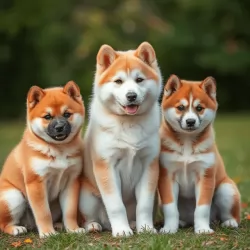 The Akita Inu is a large, noble, and powerful breed known for its dignified presence, strong loyalty, and quiet confidence. Originally bred for hunting and guarding, Akitas are naturally protective, courageous, and independent thinkers.
They form deep bonds with their family but are often aloof with strangers. Calm and clean by nature, they rarely bark without reason and carry themselves with elegance and strength.
Their double coat is thick and weather-resistant, requiring regular grooming, and they shed heavily, especially seasonally.
While intelligent, Akitas can be stubborn, so they thrive best with experienced owners who can offer consistent training and leadership. With proper care and socialization, the Akita Inu is a devoted, majestic companion.
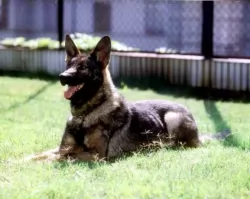 Your attractive Kunming dog is an energetic, lively dog who is going to require a good deal of exercise as he was developed to be a working dog.
They are loving towards their human families and even well behaved with other dogs in the family. He will however need socialization and training from a firm, fair, consistent owner.
Provide him with a loving environment, lots of exercise, wholesome food, a warm, dry place to sleep and lots of mental and physical stimulation, and you’ll have a wonderful, contended pet and companion.
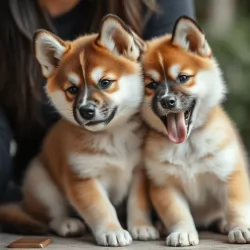 The Akita Inu is generally a strong and resilient breed, but it is prone to several genetic and breed-specific health issues.
Common concerns include hip and elbow dysplasia, progressive retinal atrophy (PRA), and hypothyroidism, all of which can affect mobility, vision, and metabolism.
The breed is also susceptible to autoimmune disorders like VKH-like syndrome and sebaceous adenitis, a skin condition causing hair loss and irritation. Additionally, Akitas may experience bloat (gastric torsion), a life-threatening emergency common in deep-chested dogs.
Regular veterinary care, proper diet, and responsible breeding practices are essential to help minimize health risks and ensure a long, healthy life.
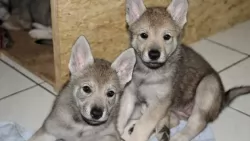 Your Kunming can reach 12 to 14 years of age if he is loved, fed correctly and adequately exercised. Just as with any dog, he can be susceptible to some of the common dog illnesses. These include the likes of hip dysplasia, bloat, epilepsy, eye problems, ear infections, intestinal parasites, heart disease and skin problems.
Worms are a chronic problem in dogs and the thing is, they can infect humans too. If you don’t treat worms in your dog, it can lead to your pet becoming seriously ill. You may notice loss of appetite, a dull, thinning coat, anemia and diarrhea.
The vet will be able to offer a treatment that can help with eradicating hook-, round- and tapeworms.
This may sound like a mild dog disease but it can cause a lot of misery for your pet. You’ll notice your pet licking, scratching and biting at raw, red spots on his skin. With bacterial- or yeast infections, your pet can battle with itchiness, pain and discomfort. Luckily your vet can recommend treatments to effectively alleviate symptoms.
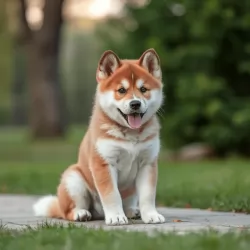 Caring for an Akita Inu involves commitment, consistency, and understanding of the breed's unique needs. They require regular grooming, especially during seasonal shedding, with brushing at least 2–3 times a week and daily during coat blow periods.
Akitas thrive on routine exercise, such as long walks or playtime in a secure area, but they aren’t overly energetic. Training and socialization should start early, using positive reinforcement and calm, firm leadership to manage their independent and protective nature.
They are best suited to homes where they are the only pet or properly introduced to others. Akitas are clean, quiet, and typically bond closely with their family, so providing mental stimulation, affection, and clear boundaries is key.
Regular vet checkups, a balanced diet, and proper social interaction help keep your Akita healthy, happy, and well-adjusted.
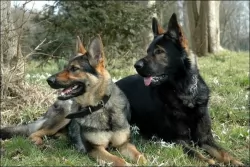 Grooming for the thick coat should be done regularly. The dog sheds quite a bit and seasonally and you'll want to brush him twice a week to rid the coat of those loose hairs.
The Kunming Dog is high energy and will therefore suit a family who is active and sporty. He is the kind of dog that you can include in all your activities – walks, hikes, running next to you when you go cycling and swimming.
This is an active dog and you want the best food for him, packed with vitamins and minerals to keep him lively and energetic. Instead of giving him one large meal a day that he gulps down quickly, split his food into 2 smaller meals.
Your dog’s age, his breed and his energy levels will direct you as to how to feed him.
Remember, that although commercially manufactured dog foods need to comply with certain standards, it doesn't guarantee their goodness. It may not be digestible for your pet. If you want to use one of these foods, choose the best there is and try to mix in some wholesome home-made food from time to time.
Cooked chicken, brown rice or pasta and some raw or cooked vegetables can be excellent for him as well as adding in some raw meat occasionally.