 MyDogBreeds
 Akita Inu is originated from Japan but Kyi-Leo is originated from United States. Akita Inu may grow 41 cm / 17 inches higher than Kyi-Leo. Akita Inu may weigh 33 kg / 73 pounds more than Kyi-Leo. Both Akita Inu and Kyi-Leo has same life span. Both Akita Inu and Kyi-Leo has almost same litter size. Both Akita Inu and Kyi-Leo requires Moderate maintenance.
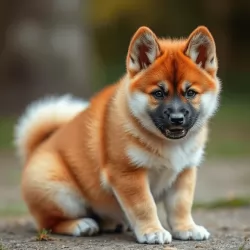 The Akita Inu, originating from Japan's snowy Akita Prefecture, has a long-standing legacy as a powerful hunting dog and loyal companion. Bred in the 1600s to track large game like boar and bear, the Akita quickly earned its place among Japanese nobility as a guardian and symbol of courage.
Its dignified nature and unwavering loyalty were immortalized in the true story of Hachikō, an Akita who waited nearly a decade for his deceased owner at a Tokyo train station. This devotion captured national and global admiration, leading to the breed’s recognition as a national treasure in Japan.
After World War II, American soldiers introduced Akitas to the West, giving rise to a larger, more robust variation known as the American Akita. Today, the Akita Inu remains a cherished breed worldwide for its strength, loyalty, and quiet dignity.
 The Kyi-Leo first came about in the 1950s in San Francisco, USA, with the crossing of two dog breeds – the Lhasa Apso and the Maltese.
Because this is a mixed-breed dog, it isn’t recognized by the American Kennel Club, but it is recognized by some of the other dog associations such as the American Rare Breed Association or ARBA as it is known. Today the dog is looked upon as a designer breed.
 The Akita Inu is a large, powerful, and dignified dog breed known for its striking appearance, quiet nature, and unwavering loyalty.
Originating from Japan, it has a broad head, erect triangular ears, and a plush double coat that comes in red, white, brindle, or sesame, with characteristic urajiro (whitish markings). The Akita carries itself with pride and confidence, often aloof with strangers but deeply affectionate and protective toward its family.
Calm, intelligent, and strong-willed, the breed requires early socialization and firm, consistent training. Though not ideal for first-time owners, the Akita Inu is a loyal guardian and devoted companion for those who understand and respect its independent spirit.
 The Kyi-Leo is a small dog standing at 20 – 30cm in height and weighing in the region of 4 – 6kg.
He has a long, silky coat which is essentially black and white or grey/silver and white or even gold and white. He has frail legs which can become injured or broken in vigorous rough and tumble games.
You can certainly describe the Kyi-Leo as a sweet, quiet, non-aggessive playful dog, and for anyone who wants a splendid pet and companion, this dog makes a great family pet and he won’t cost you an arm and a leg to feed either.
He also has an acute sense of hearing and this turns him into an excellent ‘alarm’ watch-dog. It is also a dog, that while he will love to join you on a walk, he isn’t a dog that is going to demand a lot of exercise.
He responds well to his human family, is easy-going and gentle, tending to be cautious around strangers. You can trust him to be an awesome playmate for children. In this instance, it’s the children who should be warned when playing with a dog like this as, because of his fragile build, he could easily be injured by children who haven’t been taught to respect animals.
Even though he is such an amicable pet, it will still be of benefit to you and him to have him trained and socialized. Then he responds well to basic commands such as sit, stay and lie-down.
Dogs who spend time with their family, pick up on the ‘culture’ of the family and they learn how to behave. Dogs who are left on their own and never socialized can become nervous and aggressive towards people as they never got to learn how to behave – they weren’t socialized.
 The Akita Inu is a large, noble, and powerful breed known for its dignified presence, strong loyalty, and quiet confidence. Originally bred for hunting and guarding, Akitas are naturally protective, courageous, and independent thinkers.
They form deep bonds with their family but are often aloof with strangers. Calm and clean by nature, they rarely bark without reason and carry themselves with elegance and strength.
Their double coat is thick and weather-resistant, requiring regular grooming, and they shed heavily, especially seasonally.
While intelligent, Akitas can be stubborn, so they thrive best with experienced owners who can offer consistent training and leadership. With proper care and socialization, the Akita Inu is a devoted, majestic companion.
 The Kyi-Leo is everything you want in a family companion – active, playful, loving, gentle, happy and balanced.
He loves his human family but tends to be a little bit wary around strangers, gradually warming to them.
He may be small, but he is robust and alert, and he is also capable of making you a good watchdog.
The Kyi-Leo is an all-round great little pet to have.
 The Akita Inu is generally a strong and resilient breed, but it is prone to several genetic and breed-specific health issues.
Common concerns include hip and elbow dysplasia, progressive retinal atrophy (PRA), and hypothyroidism, all of which can affect mobility, vision, and metabolism.
The breed is also susceptible to autoimmune disorders like VKH-like syndrome and sebaceous adenitis, a skin condition causing hair loss and irritation. Additionally, Akitas may experience bloat (gastric torsion), a life-threatening emergency common in deep-chested dogs.
Regular veterinary care, proper diet, and responsible breeding practices are essential to help minimize health risks and ensure a long, healthy life.
 Your Kyi-Leo is such a feisty, robust little dog who is not likely to cost you much in terms of health care. With his frail legs, it is a good thing to know that you need to be careful with him in terms of back-and joint problems.
There are actually knee joint issues which are fairly common in small dogs, one of which is patellar luxation.
This is where the kneecap pops out of the thighbone, causing the dog to skip or hop. Some joint issues are genetic and may require surgery. Make sure to keep your pet’s weight under control to remove additional stress on the joints.
This is another dog illness you want to be careful with. Acute pancreatitis -inflammation - is when the condition comes on suddenly while chronic pancreatitis is when pancreatitis occurs over a period of time.
With acute pancreatitis in dogs you’ll see symptoms such as vomiting, abdominal pain, tremors and reluctance to eat. Pancreatitis can be brought on by too much fat, especially rancid fat, some anti-biotics, a low protein diet or a sickness such as diabetes.
If you suspect pancreatitis in your dog, get him as quickly as possible to the vet.
 Caring for an Akita Inu involves commitment, consistency, and understanding of the breed's unique needs. They require regular grooming, especially during seasonal shedding, with brushing at least 2–3 times a week and daily during coat blow periods.
Akitas thrive on routine exercise, such as long walks or playtime in a secure area, but they aren’t overly energetic. Training and socialization should start early, using positive reinforcement and calm, firm leadership to manage their independent and protective nature.
They are best suited to homes where they are the only pet or properly introduced to others. Akitas are clean, quiet, and typically bond closely with their family, so providing mental stimulation, affection, and clear boundaries is key.
Regular vet checkups, a balanced diet, and proper social interaction help keep your Akita healthy, happy, and well-adjusted.
 The Kyi-Leo doesn’t require vigorous exercising. One walk a day will keep them happy. There are pet owners who believe dogs can be permanently outside dogs where they can do their own exercise.
Everybody who knows dogs, knows they are social creatures who will simply lie at your backdoor just waiting for some response from their beloved human family. Every dog, regardless of breed or size, needs exercise and interaction with their humans every day.
Dogs left alone in the yard day after day are loney, frustrated and bored, and when they start digging or barking, irresponsible owners will ill treat them. These kind of people should never own a dog.
The Kyi-Leo has a sensitive stomach so he’ll need good quality food to avoid digestive problems. Ideally home-cooked food such as softly boiled chicken, brown rice and raw or cooked vegetables added into top quality kibble is the preferred diet.
Fresh, cool water needs to be constantly available.
Brush the long, silky coat at least twice a week to ensure it remains free of knotting. Brushing keeps the coat shiny too.
As a long eared dog, ears should be checked and cleaned regularly too. Air doesn’t reach the inside of their ears and the warm dampness in the ears are a breeding place for infection.
Nails should also be trimmed when they become long because left uncut they can hook onto things causing injury ad pain.
Small dogs are more prone to tartar formation and loss of teeth. You’ll notice that something isn’t right because your lively little dog will be lethargic, he may not want to eat his food and his face may be swollen. When you suspect dental problems, get him to the vet.