 MyDogBreeds
 Akita Inu is originated from Japan but Lowchen is originated from Germany. Akita Inu may grow 38 cm / 15 inches higher than Lowchen. Akita Inu may weigh 31 kg / 69 pounds more than Lowchen. Both Akita Inu and Lowchen has almost same life span. Akita Inu may have more litter size than Lowchen. Both Akita Inu and Lowchen requires Moderate maintenance.
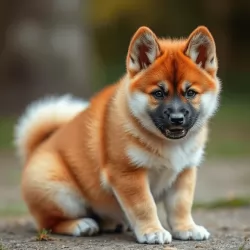 The Akita Inu, originating from Japan's snowy Akita Prefecture, has a long-standing legacy as a powerful hunting dog and loyal companion. Bred in the 1600s to track large game like boar and bear, the Akita quickly earned its place among Japanese nobility as a guardian and symbol of courage.
Its dignified nature and unwavering loyalty were immortalized in the true story of Hachikō, an Akita who waited nearly a decade for his deceased owner at a Tokyo train station. This devotion captured national and global admiration, leading to the breed’s recognition as a national treasure in Japan.
After World War II, American soldiers introduced Akitas to the West, giving rise to a larger, more robust variation known as the American Akita. Today, the Akita Inu remains a cherished breed worldwide for its strength, loyalty, and quiet dignity.
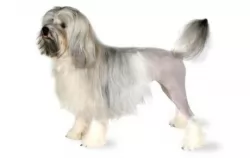 Known as the Little Lion Dog, the Lowchen is considered by some registries as a toy dog and by the American Kennel Club as a non-sporting dog.
Nobody seems too certain about the true origin of the dog but most records seem to suggest it originates from Germany, France or Holland.
He was bred to catch rats and mice and his history goes way back to 1442, with images of him being found in engravings and paintings. People think he may be related to the Bichon Frise.
His history shows that apart from being used to catch vermin he was also a companion dog to the wealthy. A breeding program for the dog was started in 1944 and they were later imported to Britain in the late 1960s. The dog was given Kennel Club recognition in the UK in 1971, also appearing in America in 1971 with The Lowchen Club of America being formed.
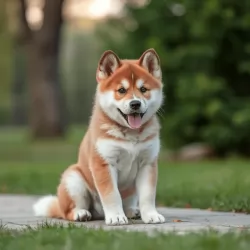
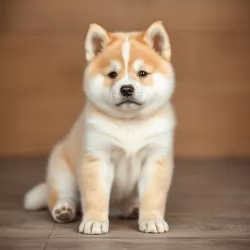 The Akita Inu is a large, powerful, and dignified dog breed known for its striking appearance, quiet nature, and unwavering loyalty.
Originating from Japan, it has a broad head, erect triangular ears, and a plush double coat that comes in red, white, brindle, or sesame, with characteristic urajiro (whitish markings). The Akita carries itself with pride and confidence, often aloof with strangers but deeply affectionate and protective toward its family.
Calm, intelligent, and strong-willed, the breed requires early socialization and firm, consistent training. Though not ideal for first-time owners, the Akita Inu is a loyal guardian and devoted companion for those who understand and respect its independent spirit.
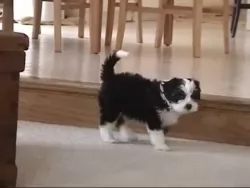 The Lowchen is a small dog but robustly built and stands at between 25 – 33 cm in height and weighs anything from 4 – 8 kg.
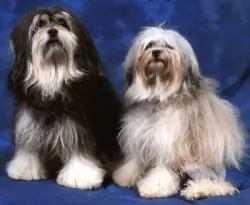
He has a long coat which is available in a number of colors - cream, white, grey, black, silver and bi-colored. The single coat isn’t like that of the Bichon Frise, thin and fluffy, but is much thicker, silky and wavy and sheds minimally. People love snipping the long coat cut so that the dog looks like a small lion, short over the body and with a mane, with some hair left around the ‘ankle’ parts of the legs.
The tail is also sheared and left with a pom-pom look. People look at him as an ideal pet as he doesn’t shed much and is looked upon as being a hypoallergenic dog.
He has a wide muzzle and broad, flat skull. The ears are floppy with fringing, the eyes dark, round and intelligent looking. The litter size of this dog is is usually between 3 and 6 puppies.
Intelligent, bright, outgoing and affectionate, you won’t find any aggression in this cute little dog unless the owners have treated him so badly that he wants to be aggressive.
He is such an amicable little pet that he won’t cause you any trouble – he just wants to be your friend. He is a social dog, but can be quite timid when introduced to new people.Socialization and training will do wonders for him and give him some confidence.
He just loves receiving attention and is also prepared to give a lot of attention too. Although he can adapt easily to life in the city or the countryside, he wouldn’t like his owners being at work all day and leaving him alone hour after hour. He is gentle with his human family and sees to it that he gets on well with children as well as pets in the home.
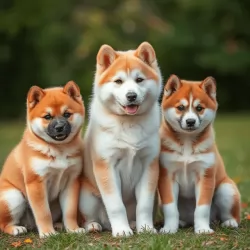 The Akita Inu is a large, noble, and powerful breed known for its dignified presence, strong loyalty, and quiet confidence. Originally bred for hunting and guarding, Akitas are naturally protective, courageous, and independent thinkers.
They form deep bonds with their family but are often aloof with strangers. Calm and clean by nature, they rarely bark without reason and carry themselves with elegance and strength.
Their double coat is thick and weather-resistant, requiring regular grooming, and they shed heavily, especially seasonally.
While intelligent, Akitas can be stubborn, so they thrive best with experienced owners who can offer consistent training and leadership. With proper care and socialization, the Akita Inu is a devoted, majestic companion.
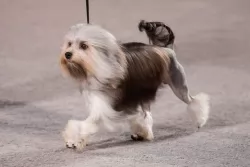 The Lowchen is sure to make anyone a splendid pet as he is friendly, playful, loving and loyal. He is such a good natured pet and will make a wonderful companion, being able to get on well with children and pets in the home.
He is energetic too and will love to be outside playing games or joining you on a walk. Those who have had the Lowchen as a pet haven’t been disappointed as they all agree that he makes the most amazing family companion.
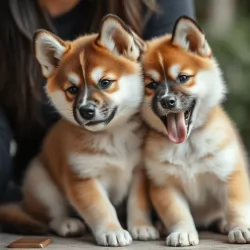 The Akita Inu is generally a strong and resilient breed, but it is prone to several genetic and breed-specific health issues.
Common concerns include hip and elbow dysplasia, progressive retinal atrophy (PRA), and hypothyroidism, all of which can affect mobility, vision, and metabolism.
The breed is also susceptible to autoimmune disorders like VKH-like syndrome and sebaceous adenitis, a skin condition causing hair loss and irritation. Additionally, Akitas may experience bloat (gastric torsion), a life-threatening emergency common in deep-chested dogs.
Regular veterinary care, proper diet, and responsible breeding practices are essential to help minimize health risks and ensure a long, healthy life.
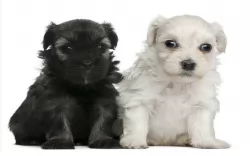 The Lowchen is a healthy dog breed so you aren’t going to be spending too much money with him at the vet. Some health concerns with this particular dog breed are cataracts and patellar luxation.
It can be so sad witnessing your dog’s bright, alert eyes clouding over. Dogs have clear lens, but cataracts, while not painful, can impair vision and actually lead to complete vision loss. As the eye disease progresses, the lens can become completely opaque.
This occurs when the kneecap of the dog is dislocated from its normal position. You’ll see your dog holding up his hind leg every now and then. It can only be returned to its normal position once the quadriceps muscles of the dog relax.
This is a common knee joint problem in dogs and it can lead to arthritis. He will need to get to the vet.
 Caring for an Akita Inu involves commitment, consistency, and understanding of the breed's unique needs. They require regular grooming, especially during seasonal shedding, with brushing at least 2–3 times a week and daily during coat blow periods.
Akitas thrive on routine exercise, such as long walks or playtime in a secure area, but they aren’t overly energetic. Training and socialization should start early, using positive reinforcement and calm, firm leadership to manage their independent and protective nature.
They are best suited to homes where they are the only pet or properly introduced to others. Akitas are clean, quiet, and typically bond closely with their family, so providing mental stimulation, affection, and clear boundaries is key.
Regular vet checkups, a balanced diet, and proper social interaction help keep your Akita healthy, happy, and well-adjusted.
 Because your Lowchen is a bright, happy companion dog you want to ensure that you look after him well to ensure his ongoing wellbeing.
The single coat is long and you will need to brush him regularly to keep it looking good. If brushing becomes too hectic, you can have him sheared at a professional dog groomer.
Check him over for fleas and ticks while brushing him.
Feel all over his body for the emergence of new lumps.
Clip his nails to ensure they don’t grow long so that they hook on things and tear his flesh.
Check the inside of his ears to make sure there is no sign of redness and ear infection. This can drive your pet mad with the itching. The ears need to be kept clean, as do the teeth and both these can be done for you at professional dog groomers.
Every dog requires exercise and your Lowchen will need games and walks to keep him fit, to ward off obesity and to provide him with something to look forward to.
Make sure to feed your pet wholesome food as good quality food promotes good health and longevity. Give your Lowchen the best quality kibble there is and try and mix in some homemade cooked chicken, brown rice, pasta and cooked or raw vegetables every now and then just to add some tasty variety to your pets diet. Make sure he always has access to fresh, cool water.
Make sure your Lowchen has a warm, dry comfy spot to sleep, and ensue that when he’s outside he has shade to lie down in.