 MyDogBreeds
 Akita Inu is originated from Japan but Magyar Agar is originated from Hungary. Both Akita Inu and Magyar Agar are having almost same height. Akita Inu may weigh 8 kg / 18 pounds more than Magyar Agar. Both Akita Inu and Magyar Agar has almost same life span. Both Akita Inu and Magyar Agar has same litter size. Akita Inu requires Moderate maintenance. But Magyar Agar requires Low maintenance
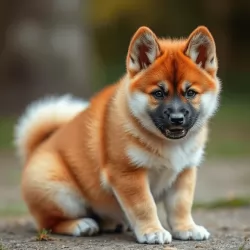 The Akita Inu, originating from Japan's snowy Akita Prefecture, has a long-standing legacy as a powerful hunting dog and loyal companion. Bred in the 1600s to track large game like boar and bear, the Akita quickly earned its place among Japanese nobility as a guardian and symbol of courage.
Its dignified nature and unwavering loyalty were immortalized in the true story of Hachikō, an Akita who waited nearly a decade for his deceased owner at a Tokyo train station. This devotion captured national and global admiration, leading to the breed’s recognition as a national treasure in Japan.
After World War II, American soldiers introduced Akitas to the West, giving rise to a larger, more robust variation known as the American Akita. Today, the Akita Inu remains a cherished breed worldwide for its strength, loyalty, and quiet dignity.
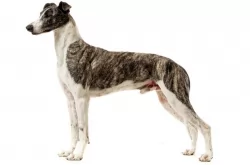 The tall, slender Magyar Agar is a sighthound dog breed hailing from Hungary and which has been used for hunting and coursing, some dogs of which are still used for this purpose today.
Those who know the dog breed well will tell you that the dog isn’t the 'Hungarian greyhound', being a distinct breed with its own characteristics and breed designation.
They certainly go back centuries, and in fact, records tell us that they arrived in northeastern Hungary more than a thousand years ago.
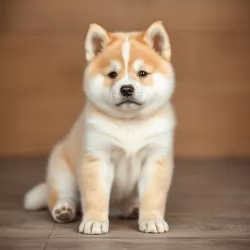 The Akita Inu is a large, powerful, and dignified dog breed known for its striking appearance, quiet nature, and unwavering loyalty.
Originating from Japan, it has a broad head, erect triangular ears, and a plush double coat that comes in red, white, brindle, or sesame, with characteristic urajiro (whitish markings). The Akita carries itself with pride and confidence, often aloof with strangers but deeply affectionate and protective toward its family.
Calm, intelligent, and strong-willed, the breed requires early socialization and firm, consistent training. Though not ideal for first-time owners, the Akita Inu is a loyal guardian and devoted companion for those who understand and respect its independent spirit.
 Described as a large dog resembling a Greyhound and being more longer in body than being tall they are more heavily boned than the fine-boned Greyhound.
The Magyar is a large dog standing at between 62 – 70cm in height and weighing between 22 and 31kg. If you want your Magyar to have puppies, these dogs can produce between 6 to 10. The dogs have a smooth dense coat and the coat can be any color, but not black and tan or tri-color.
The ears of the dog are short to medium and are semi-erect, semi-floppy and most times held back. The tail of the dog is long.
These are hardy dogs, and even with their short coats they are able to cope with lower temperatures. They are quiet and docile and are loving towards their human family. They also have a strong instinct to guard their owners.
They are amicable dogs, getting on well with children and pets in the home.As with most dogs, he can benefit from training and socialization. He is an adaptable dog too and will settle into life in the city or the countryside, but wherever he lives, he will need to be exercised well.
They love cozying up to their owners on the couch and thoroughly relaxing, but they also love being out and about too. A walk in the countryside or the park is a a chance to be let off the leash for some running.
 The Akita Inu is a large, noble, and powerful breed known for its dignified presence, strong loyalty, and quiet confidence. Originally bred for hunting and guarding, Akitas are naturally protective, courageous, and independent thinkers.
They form deep bonds with their family but are often aloof with strangers. Calm and clean by nature, they rarely bark without reason and carry themselves with elegance and strength.
Their double coat is thick and weather-resistant, requiring regular grooming, and they shed heavily, especially seasonally.
While intelligent, Akitas can be stubborn, so they thrive best with experienced owners who can offer consistent training and leadership. With proper care and socialization, the Akita Inu is a devoted, majestic companion.
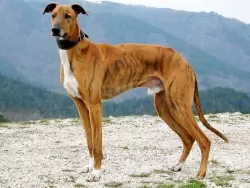 The Magyar Agar may well have been developed for hunting, but today he makes a splendid pet.
He is intelligent and quiet, as well as being loyal. While he loves being outside playing or going on walks, he is quite happy to curl up on the couch with you – the nearness to you is what he loves.
Beautiful and loving, this dog symbolizes the best qualities that man wants in a canine friend.
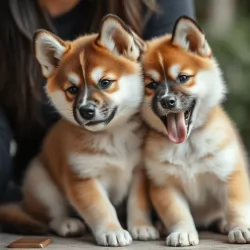 The Akita Inu is generally a strong and resilient breed, but it is prone to several genetic and breed-specific health issues.
Common concerns include hip and elbow dysplasia, progressive retinal atrophy (PRA), and hypothyroidism, all of which can affect mobility, vision, and metabolism.
The breed is also susceptible to autoimmune disorders like VKH-like syndrome and sebaceous adenitis, a skin condition causing hair loss and irritation. Additionally, Akitas may experience bloat (gastric torsion), a life-threatening emergency common in deep-chested dogs.
Regular veterinary care, proper diet, and responsible breeding practices are essential to help minimize health risks and ensure a long, healthy life.
 The Magyar Agár is looked upon as a healthy dog breed, and with good care can live to be 12 to 14 years of age. With this dog you want to be on the lookout for some of the common dog illnesses he could succumb to -
This is a fairly common problem in dogs. The thyroid gland produces the hormone thyroxine with other thyroid hormones. Playing a role in the dog’s metabolism, when the thyroid is out of sync it can cause problems for your dog.
Hypothyroidism happens when your dog doesn’t secrete enough of the thyroid hormones, slowing the dog’s metabolism. Some of the symptoms include obesity, lethargy, coat thinning and cold intolerance.
This is an inherited disease of the retina, occurring in both eyes together. Thankfully it isn't painful for the dog. There are different types of inherited retinal degenerative diseases in dogs and the first signs of this are seeing your dog with night-blindness and the pupils being dilated. There is no cure, but specific antioxidant supplementation does help support the retinal health of the dog and can actually help to prevent vision loss.
Itching outbreaks from a skin allergy can make your pet miserable with constant licking and biting. Whether these allergies are inhaled, food related or from flea bites, they can cause your pet great discomfort. The fur or coat may even have started to fall out in patches. Allergies like this can occur when the dog's immune system is weakened. Feeding your dog some raw meat, getting him to the vet and providing excellent grooming can help with your pet’s skin problems.
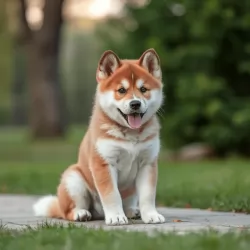 Caring for an Akita Inu involves commitment, consistency, and understanding of the breed's unique needs. They require regular grooming, especially during seasonal shedding, with brushing at least 2–3 times a week and daily during coat blow periods.
Akitas thrive on routine exercise, such as long walks or playtime in a secure area, but they aren’t overly energetic. Training and socialization should start early, using positive reinforcement and calm, firm leadership to manage their independent and protective nature.
They are best suited to homes where they are the only pet or properly introduced to others. Akitas are clean, quiet, and typically bond closely with their family, so providing mental stimulation, affection, and clear boundaries is key.
Regular vet checkups, a balanced diet, and proper social interaction help keep your Akita healthy, happy, and well-adjusted.
 Make sure you take wonderful care of your Magyar Agar. It is a social, living creature who needs to be loved and cherished.
Provide him with the best food there is. If you invest in dry kibble, try and add in cooked chicken, brown rice and raw or cooked vegetables from time to time as well as some raw meat. Keep the diet simple to avoid digestive upsets.