 MyDogBreeds
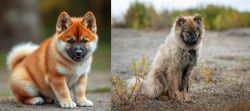 Akita Inu is originated from Japan but Nenets Herding Laika is originated from Russia. Akita Inu may grow 13 cm / 6 inches higher than Nenets Herding Laika. Akita Inu may weigh 10 kg / 23 pounds more than Nenets Herding Laika. Both Akita Inu and Nenets Herding Laika has almost same life span. Akita Inu may have more litter size than Nenets Herding Laika. Akita Inu requires Moderate maintenance. But Nenets Herding Laika requires High maintenance
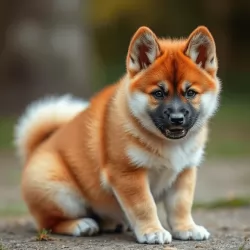 The Akita Inu, originating from Japan's snowy Akita Prefecture, has a long-standing legacy as a powerful hunting dog and loyal companion. Bred in the 1600s to track large game like boar and bear, the Akita quickly earned its place among Japanese nobility as a guardian and symbol of courage.
Its dignified nature and unwavering loyalty were immortalized in the true story of Hachikō, an Akita who waited nearly a decade for his deceased owner at a Tokyo train station. This devotion captured national and global admiration, leading to the breed’s recognition as a national treasure in Japan.
After World War II, American soldiers introduced Akitas to the West, giving rise to a larger, more robust variation known as the American Akita. Today, the Akita Inu remains a cherished breed worldwide for its strength, loyalty, and quiet dignity.
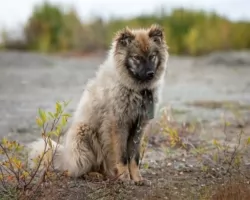 There is a large variety of Laika dogs as the word is almost a generic term for a type of Russian hunting dog. They are found in Northern Russia and Siberia and there are several recognized by the Federation Cynologique International including the East Siberian Laika, the Russian European Laika, and the West Siberian Laika. These Siberia Laika are crosses between the aboriginal dogs of Siberia and northern Russia. The word Laika means a barking dog and comes from the word meaning to bark. These laikas are working dogs, hunting pointers that were bred specifically for their barks.
All the dogs in this category are loyal and affectionate. They are hard workers and hunters/herders and sled dogs. Of the official Laika groups including the Nenets Herding Laika, there is the Karelo-Finnish Laika, the Northeasterly Siberian Laika, the West Siberian Laika, The Russian European Laika, Eastern Siberian Laika. The Laika are wary of strangers, noisy and rowdy.
The Laika breed known as the Nenets Herding Laika is also called the Reindeer Herding Laika. The breed is pretty ancient, developed by the Nentry tribe at about the same time that the nomads were developing the Samoyed. Like the Samoyed breed, the Nenets Herding Laika herded Reindeer. The artic breed originates from Russia and can be used for transportation and hauling as well.
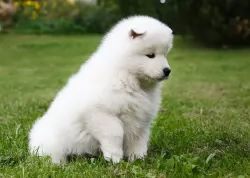
While their temperament and history are very much the same as the Samoyed, they are recognized as separate breeds. However there are many aficionados of both breeds believe that the Samoyed and the Nenets Herding Laika are the same breed. For many the Samoyed are simply a white version of the Nenets Herding Laika.
The Nenets Herding Laika is also know as the Samoyed Laika, so you can see how close if not the same, these two breeds are. The Nenets Herding Laika was bred by the Nenet peoples. The Samoyed is all white while the Nenets is any variation of black, gray, piebald, red, white, sable and brown.
The dogs herd and guard reindeer, keeping the herd together and moving them from one pasture to another. They will also stay with a stray reindeer until they are found. They will do this whether they have food or water. They will bark to try to bring the people’s attention to the lost reindeer. They are also an excellent hunting and retrieving, swimming dog.
The Nenets are also known as Yurak Samoyeds and they are the largest group of Samoyedic peoples today. They live on both sides of Russian Ural Mountains in northern Russia and the Yamal Peninsula. They move large herds of reindeer to the winter lands south of the Artic Circle from the north – about 600-900 miles. It is believed that the Herding Laika originated with this group of people but spread beyond them. They were shipped to far northeast Siberia to be bred and shared with reindeer herding tribes there.
There is a longhaired or rough coated variety and a shorthaired variety. The Nenets consider the work routine of both varieties the same, but they believed that the shorthaired version was a more ancient than the longhaired version.
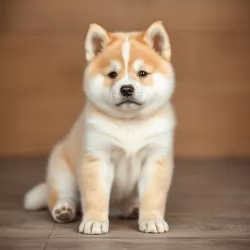 The Akita Inu is a large, powerful, and dignified dog breed known for its striking appearance, quiet nature, and unwavering loyalty.
Originating from Japan, it has a broad head, erect triangular ears, and a plush double coat that comes in red, white, brindle, or sesame, with characteristic urajiro (whitish markings). The Akita carries itself with pride and confidence, often aloof with strangers but deeply affectionate and protective toward its family.
Calm, intelligent, and strong-willed, the breed requires early socialization and firm, consistent training. Though not ideal for first-time owners, the Akita Inu is a loyal guardian and devoted companion for those who understand and respect its independent spirit.
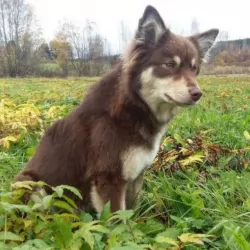
 This is a medium sized dog , muscular and strong. Slightly smaller than the Samoyed, the Nenets Laika weighs about 40-55 pounds and is 18 inches tall. The ears are typical Spitz ears and the tail is carried up over the back. The Nenets Herding Laika can have gray, piebald, black or tan coats and some can be solid white and look just like a Samoyed. The coat is a thick, double coat with the undercoat very wooly.
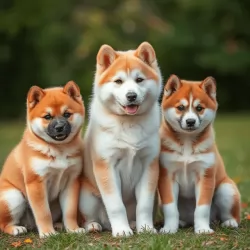 The Akita Inu is a large, noble, and powerful breed known for its dignified presence, strong loyalty, and quiet confidence. Originally bred for hunting and guarding, Akitas are naturally protective, courageous, and independent thinkers.
They form deep bonds with their family but are often aloof with strangers. Calm and clean by nature, they rarely bark without reason and carry themselves with elegance and strength.
Their double coat is thick and weather-resistant, requiring regular grooming, and they shed heavily, especially seasonally.
While intelligent, Akitas can be stubborn, so they thrive best with experienced owners who can offer consistent training and leadership. With proper care and socialization, the Akita Inu is a devoted, majestic companion.
 yes
yes
mushing
Adaptability not good in apartments or smaller spaces. Needs a fenced in yard.
High but stubborn and independent
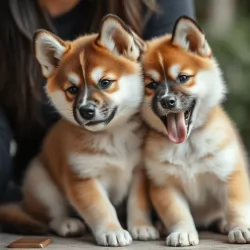 The Akita Inu is generally a strong and resilient breed, but it is prone to several genetic and breed-specific health issues.
Common concerns include hip and elbow dysplasia, progressive retinal atrophy (PRA), and hypothyroidism, all of which can affect mobility, vision, and metabolism.
The breed is also susceptible to autoimmune disorders like VKH-like syndrome and sebaceous adenitis, a skin condition causing hair loss and irritation. Additionally, Akitas may experience bloat (gastric torsion), a life-threatening emergency common in deep-chested dogs.
Regular veterinary care, proper diet, and responsible breeding practices are essential to help minimize health risks and ensure a long, healthy life.
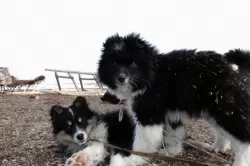 For the most part the Nenets Herding Laika is a healthy breed and very hardy. They do however have some propensities for some illnesses and conditions.
Diabetes Mellitus – can be treated with medication and is usual seen in middle age -after 7 years of age.
PRA – Progressive Retinal Atrophy – Slow loss of vision and this is a genetic disease – leads to blindness.
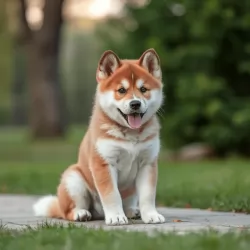 Caring for an Akita Inu involves commitment, consistency, and understanding of the breed's unique needs. They require regular grooming, especially during seasonal shedding, with brushing at least 2–3 times a week and daily during coat blow periods.
Akitas thrive on routine exercise, such as long walks or playtime in a secure area, but they aren’t overly energetic. Training and socialization should start early, using positive reinforcement and calm, firm leadership to manage their independent and protective nature.
They are best suited to homes where they are the only pet or properly introduced to others. Akitas are clean, quiet, and typically bond closely with their family, so providing mental stimulation, affection, and clear boundaries is key.
Regular vet checkups, a balanced diet, and proper social interaction help keep your Akita healthy, happy, and well-adjusted.
 Be careful that your pup doesn’t grow too fast. They are open to injuries if they grow too fast. Low calorie with protein and not a lot of fat. half a cup of high quality medium breed dog food 3X a day.
1 1/2 cups high quality medium breed dog food.
athletic and agile
At leaset a walk or two every day. Don’t get overheated as they are used to cold weather. Would be good at agility and herding exercise.