 MyDogBreeds
 Akita Inu is originated from Japan but Otterhound is originated from United Kingdom. Both Akita Inu and Otterhound are having almost same height. Akita Inu may weigh 15 kg / 33 pounds lesser than Otterhound. Both Akita Inu and Otterhound has almost same life span. Both Akita Inu and Otterhound has same litter size. Both Akita Inu and Otterhound requires Moderate maintenance.
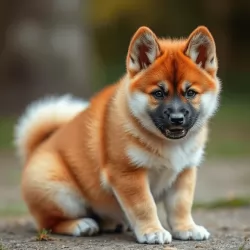 The Akita Inu, originating from Japan's snowy Akita Prefecture, has a long-standing legacy as a powerful hunting dog and loyal companion. Bred in the 1600s to track large game like boar and bear, the Akita quickly earned its place among Japanese nobility as a guardian and symbol of courage.
Its dignified nature and unwavering loyalty were immortalized in the true story of Hachikō, an Akita who waited nearly a decade for his deceased owner at a Tokyo train station. This devotion captured national and global admiration, leading to the breed’s recognition as a national treasure in Japan.
After World War II, American soldiers introduced Akitas to the West, giving rise to a larger, more robust variation known as the American Akita. Today, the Akita Inu remains a cherished breed worldwide for its strength, loyalty, and quiet dignity.
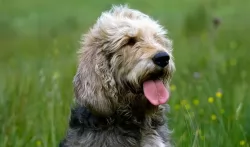 There aren’t many Otterhounds around and this British pure-breed dog is a scenthound and dates far back to the 19th century.
The dog is regarded as a Vulnerable breed by the English Kennel Club. It is believed that these dogs descended from Bloodhounds and that it was developed in England to hunt otters.The dog’s nose is so sensitive that he was well suited to this job. He was appreciated by royalty and had many royal admirers.
The dog was brought to the United States in 1900 and the Otterhound Club of America was founded in 1960 with the Otter Hound being officially recognized by the American Kennel Club in 1991.
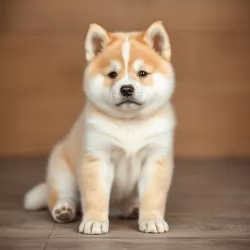 The Akita Inu is a large, powerful, and dignified dog breed known for its striking appearance, quiet nature, and unwavering loyalty.
Originating from Japan, it has a broad head, erect triangular ears, and a plush double coat that comes in red, white, brindle, or sesame, with characteristic urajiro (whitish markings). The Akita carries itself with pride and confidence, often aloof with strangers but deeply affectionate and protective toward its family.
Calm, intelligent, and strong-willed, the breed requires early socialization and firm, consistent training. Though not ideal for first-time owners, the Akita Inu is a loyal guardian and devoted companion for those who understand and respect its independent spirit.
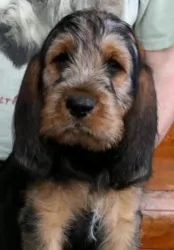 The Otterhound has a weather-resistant double coat which is somewhat oily. The coat is available in a number of colors such as wheat, red, grizzle, black, cream and tan with some white markings.
The double coat is somewhat oily and he has webbed feet, making him particularly suited for his life around water. This large hound stands at between 61 and 70cm and weighs in the region of 35 to 54kg. He has a large head with a nose that can track and scent in mud.
Otterhounds are active dogs, loving nothing more than to be running and playing, and that of course includes swimming. He makes a great sporting companion too and won’t have trouble keeping up with you as you jog or cycle.
These dogs are friendly, social, docile and amicable but they are also strong-willed, stubborn and independent. If you want him to be obedient and well behaved, then he will most certainly require training and socialization.
They get on well with children and will appreciate a firm, consistent, kind owner. He isn’t a city dog as he requires room to run, and therefore a farm or home with large grounds will suit him. Not only that, he is quite a barker, especially when he is bored with nothing to do so city life and living close to neighbors won't do for him . He will suit an active, outdoor family.
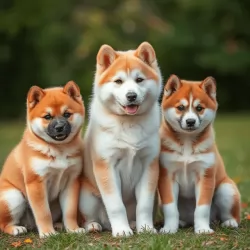 The Akita Inu is a large, noble, and powerful breed known for its dignified presence, strong loyalty, and quiet confidence. Originally bred for hunting and guarding, Akitas are naturally protective, courageous, and independent thinkers.
They form deep bonds with their family but are often aloof with strangers. Calm and clean by nature, they rarely bark without reason and carry themselves with elegance and strength.
Their double coat is thick and weather-resistant, requiring regular grooming, and they shed heavily, especially seasonally.
While intelligent, Akitas can be stubborn, so they thrive best with experienced owners who can offer consistent training and leadership. With proper care and socialization, the Akita Inu is a devoted, majestic companion.
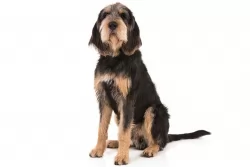 Your Otterhound is a big, beautiful dog who is also lovable, making a great pet for an active kind of family. He is friendly, social and playful but he is also independent and likes to have his own space occasionally.
He is a loyal, fun dog who has a sense of humor, providing quite a bit of entertainment for his owner. He is the kind of dog that is willing to be 100% part of the family and will be thrilled to be counted in on all activities – whether camping, hiking or swimming.
Give him the love he craves and he will make you an awesome 4-legged friend.
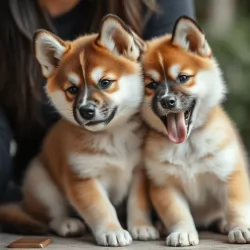 The Akita Inu is generally a strong and resilient breed, but it is prone to several genetic and breed-specific health issues.
Common concerns include hip and elbow dysplasia, progressive retinal atrophy (PRA), and hypothyroidism, all of which can affect mobility, vision, and metabolism.
The breed is also susceptible to autoimmune disorders like VKH-like syndrome and sebaceous adenitis, a skin condition causing hair loss and irritation. Additionally, Akitas may experience bloat (gastric torsion), a life-threatening emergency common in deep-chested dogs.
Regular veterinary care, proper diet, and responsible breeding practices are essential to help minimize health risks and ensure a long, healthy life.
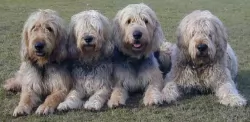 The average lifespan of this dog is between 10 and 13 years, but with good care he can reach 15 years of age.
The Otterhound is generally a healthy breed but he can sometimes get one or two of the common dog diseases there are.
Common problems that can occur are hip dysplasia. There are things that can be done to prevent this joint condition and one is to ensure your dog doesn’t become overweight. You also want to prevent having your young dog exercise excessively before his first birthday and you don’t want him leaping off beds or other high places.
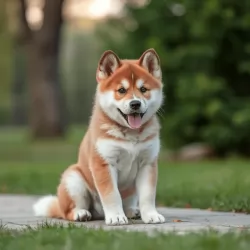 Caring for an Akita Inu involves commitment, consistency, and understanding of the breed's unique needs. They require regular grooming, especially during seasonal shedding, with brushing at least 2–3 times a week and daily during coat blow periods.
Akitas thrive on routine exercise, such as long walks or playtime in a secure area, but they aren’t overly energetic. Training and socialization should start early, using positive reinforcement and calm, firm leadership to manage their independent and protective nature.
They are best suited to homes where they are the only pet or properly introduced to others. Akitas are clean, quiet, and typically bond closely with their family, so providing mental stimulation, affection, and clear boundaries is key.
Regular vet checkups, a balanced diet, and proper social interaction help keep your Akita healthy, happy, and well-adjusted.
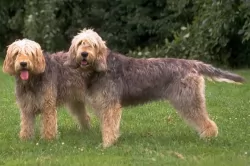 Your Otterhound has a curly, longish water resistant double coat which doesn’t shed much. The coat is easy to groom, requiring nothing much more than a brush twice a week.
The nails of the dog should be checked regularly and trimmed. Check in and outside his ears as well as his eyes for any sign of infection.
His teeth should also be checked. Some people are reluctant to brush their pet’s teeth, saying this is a new money-making fad and that it has never been required in the past. Whatever your views, periodically check inside your pet’s mouth for the sign of a rotten tooth as this can cause your pet a lot of pain and illness.
The Otterhound has no special food requirements and relies on you to feed him quality, tasty food. For convenience, there are some excellent ready-to-eat, convenient commercially manufactured foods made to cater for your pet’s size and his activity levels.
He also relies on variety in his diet, so give him some home-made food added into the kibble a couple of times a week. Boiled chicken, brown rice or pasta and some cooked vegetables such as carrots, sweet pototoes and spinach will be excellent for him.
He will thank you for keeping things so simple for him as then he won’t be plagued by digestive problems and visits to the vet. You can also add in some raw meat occasionally. Never leave him without fresh, cool water.