 MyDogBreeds
 Akita Inu is originated from Japan but Peruvian Hairless is originated from Peru. Akita Inu may grow 21 cm / 9 inches higher than Peruvian Hairless. Akita Inu may weigh 14 kg / 31 pounds more than Peruvian Hairless. Akita Inu may live 3 years more than Peruvian Hairless. Akita Inu may have more litter size than Peruvian Hairless. Both Akita Inu and Peruvian Hairless requires Moderate maintenance.
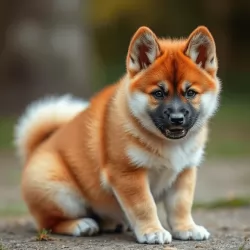 The Akita Inu, originating from Japan's snowy Akita Prefecture, has a long-standing legacy as a powerful hunting dog and loyal companion. Bred in the 1600s to track large game like boar and bear, the Akita quickly earned its place among Japanese nobility as a guardian and symbol of courage.
Its dignified nature and unwavering loyalty were immortalized in the true story of Hachikō, an Akita who waited nearly a decade for his deceased owner at a Tokyo train station. This devotion captured national and global admiration, leading to the breed’s recognition as a national treasure in Japan.
After World War II, American soldiers introduced Akitas to the West, giving rise to a larger, more robust variation known as the American Akita. Today, the Akita Inu remains a cherished breed worldwide for its strength, loyalty, and quiet dignity.
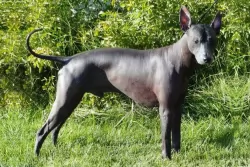 This is an ancient breed, and he even looks like he comes from ancient times. This particular dog, the Peruvian Hairless, was part of the Inca Empire and it is amazing that depictions of Peruvian hairless dogs have been seen around around 750 A.D.
It is believed the dogs were a meal for many in those ancient times, and that together with the Spanish conquest of Peru resulted in the dog almost being wiped out.
Today the dog is held in esteem in Peru and it is looked upon as the national dog of Peru – an accolade this dog received in 2001. The Federation Cynologique Internationale has accepted this breed and also adopted an official breed standard.
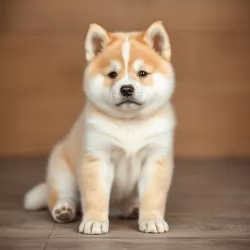 The Akita Inu is a large, powerful, and dignified dog breed known for its striking appearance, quiet nature, and unwavering loyalty.
Originating from Japan, it has a broad head, erect triangular ears, and a plush double coat that comes in red, white, brindle, or sesame, with characteristic urajiro (whitish markings). The Akita carries itself with pride and confidence, often aloof with strangers but deeply affectionate and protective toward its family.
Calm, intelligent, and strong-willed, the breed requires early socialization and firm, consistent training. Though not ideal for first-time owners, the Akita Inu is a loyal guardian and devoted companion for those who understand and respect its independent spirit.
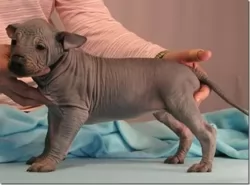 There is no doubt that the most important feature of this dog is its hairlessness, but there is nearly always a little bit of hair on top of its head and on the tip of the tail.
The color of the dog’s skin can be dark brown, mottled or a grey shade. They can be a solid color or grey or brown but with pink spots. The eyes of the dog are brown and the ears can be floppy or erect and the tail is long.
He stands at anything between 25 to 50cm, depending on whether he is a small or medium sized Peruvian. Weights can vary too but can be 4kg for the smaller type, going up to 25 kg for the larger dogs. The dogs are always slim.
Peruvian Hairless dogs love their human families, being somewhat wary around strangers. They are lively, intelligent, alert and protective.
Lean and agile, they can be quick too. Just like with any other dogs, he will require training and socialization if you want him to be obedient and well behaved. He gets on well with other pets in the house and will get on well with disciplined children. This is a quiet dog but even so, he makes a good guard dog.
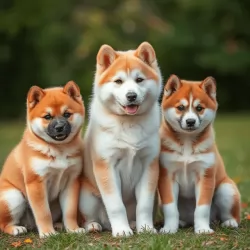 The Akita Inu is a large, noble, and powerful breed known for its dignified presence, strong loyalty, and quiet confidence. Originally bred for hunting and guarding, Akitas are naturally protective, courageous, and independent thinkers.
They form deep bonds with their family but are often aloof with strangers. Calm and clean by nature, they rarely bark without reason and carry themselves with elegance and strength.
Their double coat is thick and weather-resistant, requiring regular grooming, and they shed heavily, especially seasonally.
While intelligent, Akitas can be stubborn, so they thrive best with experienced owners who can offer consistent training and leadership. With proper care and socialization, the Akita Inu is a devoted, majestic companion.
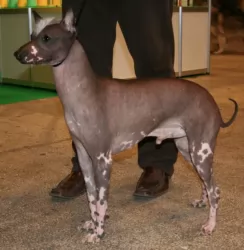 From ancient times, the Peruvian Hairless has been man’s best friend, and June 12th is the official day of the Peruvian Hairless Dog. These dogs love being surrounded by their human family. They are cheerful, playful, social dogs and they make great playmates for children when the children don’t rough play too much so as to injure him.
He is also a good watchdog and when he isn’t protecting you or playing he can be calm and quiet, and slot easily into life in the countryside or the city. Treat him well and you'll enjoy excellent friendship from this hairless canine friend.
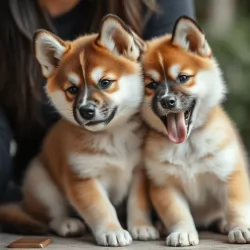 The Akita Inu is generally a strong and resilient breed, but it is prone to several genetic and breed-specific health issues.
Common concerns include hip and elbow dysplasia, progressive retinal atrophy (PRA), and hypothyroidism, all of which can affect mobility, vision, and metabolism.
The breed is also susceptible to autoimmune disorders like VKH-like syndrome and sebaceous adenitis, a skin condition causing hair loss and irritation. Additionally, Akitas may experience bloat (gastric torsion), a life-threatening emergency common in deep-chested dogs.
Regular veterinary care, proper diet, and responsible breeding practices are essential to help minimize health risks and ensure a long, healthy life.
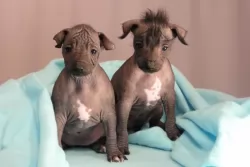 Like all breeds there will be some health problems with your Peruvian Hairless, although with good care care this dog can live to be 12 years of age or maybe even a little older. Some things to look out for include -
You may notice your dog not eating his food, having an upset stomach and vomiting. Irritable bowel syndrome in a dog is a persistent upset stomach, resulting in diarrhea and bloating. IBS isn’t reserved for older dogs, and it can affect any breed or sex. You’ll notice your pet being listless and without energy. In severe cases of IBS, you may notice blood in your pet’s feces. Don’t allow your canine friend to suffer – get him to the vet.
Also known as epilepsy, it can be disturbing for you to see your canine friend having a seizure. Uncontrolled bursts of electrical activity in your dog’s brain cause these seizures which are a mix of twitching and shaking. The seizure can last for less than a minute or for several minutes. A number of things can cause these seizures in dogs – head injuries, anemia, kidney disease, liver disease, electrolyte problems, brain cancer among others.
Many dogs suffer with one or other skin problems and these can be painful and frustrating. Hairless breeds are more likely to suffer with skin issues and they require special grooming and skin care to prevent dryness, insect bites, sunburn etc.
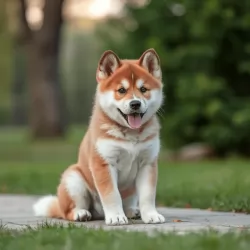 Caring for an Akita Inu involves commitment, consistency, and understanding of the breed's unique needs. They require regular grooming, especially during seasonal shedding, with brushing at least 2–3 times a week and daily during coat blow periods.
Akitas thrive on routine exercise, such as long walks or playtime in a secure area, but they aren’t overly energetic. Training and socialization should start early, using positive reinforcement and calm, firm leadership to manage their independent and protective nature.
They are best suited to homes where they are the only pet or properly introduced to others. Akitas are clean, quiet, and typically bond closely with their family, so providing mental stimulation, affection, and clear boundaries is key.
Regular vet checkups, a balanced diet, and proper social interaction help keep your Akita healthy, happy, and well-adjusted.
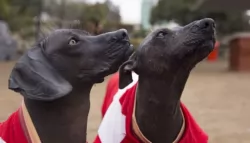 For some, the lack of hair is appealing to some people who battle with allergies. The skin of the dog will need to be washed to remove dirt. You’ve got to be careful however, what you wash your dog with because these dogs are known to get blackheads and acne because of blocked pores.
Then again, the skin can become quite dry, so you need to strike a balance. Talk to a dog expert or your vet on how to care for such a dog’s skin.
You’ll also need to consider your dog when he goes outside into the sun. Protection against sunlight is recommended and once again you might want to find out about sun blocks. Because of the lack of hair, he may also be sensitive to the cold.
Make sure this unusual pet gets the right diet. You want to be sure that whether you feed him commercially manufactured foods or he gets some home-made food it is full of vitamins and minerals. Steer away from spicy, unusual foods as dogs love simplicity and consistency.