 MyDogBreeds
 Akita Inu is originated from Japan but Pungsan Dog is originated from North Korea. Akita Inu may grow 11 cm / 5 inches higher than Pungsan Dog. Akita Inu may weigh 15 kg / 34 pounds more than Pungsan Dog. Both Akita Inu and Pungsan Dog has same life span. Akita Inu may have more litter size than Pungsan Dog. Both Akita Inu and Pungsan Dog requires Moderate maintenance.
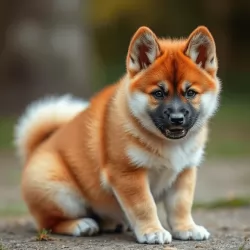 The Akita Inu, originating from Japan's snowy Akita Prefecture, has a long-standing legacy as a powerful hunting dog and loyal companion. Bred in the 1600s to track large game like boar and bear, the Akita quickly earned its place among Japanese nobility as a guardian and symbol of courage.
Its dignified nature and unwavering loyalty were immortalized in the true story of Hachikō, an Akita who waited nearly a decade for his deceased owner at a Tokyo train station. This devotion captured national and global admiration, leading to the breed’s recognition as a national treasure in Japan.
After World War II, American soldiers introduced Akitas to the West, giving rise to a larger, more robust variation known as the American Akita. Today, the Akita Inu remains a cherished breed worldwide for its strength, loyalty, and quiet dignity.
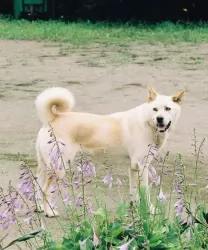 It is a hunting dog and considered to be a National Treasure of Korea. It was during the Japanese occupation of Korea that the dog’s thick coat was sought after for use in fur coats for the Japanese military.
The population numbers plummeted dramatically, with the Korean War reducing the numbers even further. The North Korean government assisted with re-establishing them.
Today, the Pungsan isn’t recognized by the Federation Cynological International (FCI) and also remains unrecognized by any major kennel clubs.
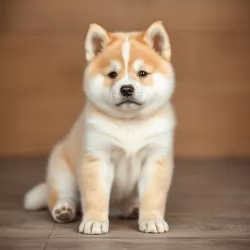 The Akita Inu is a large, powerful, and dignified dog breed known for its striking appearance, quiet nature, and unwavering loyalty.
Originating from Japan, it has a broad head, erect triangular ears, and a plush double coat that comes in red, white, brindle, or sesame, with characteristic urajiro (whitish markings). The Akita carries itself with pride and confidence, often aloof with strangers but deeply affectionate and protective toward its family.
Calm, intelligent, and strong-willed, the breed requires early socialization and firm, consistent training. Though not ideal for first-time owners, the Akita Inu is a loyal guardian and devoted companion for those who understand and respect its independent spirit.
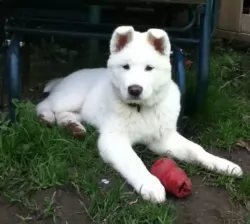 The Pungsan dog is a large dog – a kind of spitz-type dog which stands between 55 and 60cm in height and weighs between 18-24 kg.
The dog has a thick whitish coat that even allows them to sleep in the snow. They have a muscular build with a deep chest. The legs are straight and strong, with the typical Spitz-type triangular head with the almond-shaped eyes and erect ears. The tail is high-set, curling over the back. After mating, within 60 – 70 days they can produce 2 to 4 puppies.
It it thought that the Pungsan’s intelligence is due to wolf DNA but there is a question mark over this. They are intelligent dogs though.
These dogs are always loyal and protective of their owners, forming strong bonds with them. They are strong-willed and independent and will require training and socialization if you want them to be obedient, well mannered dogs.
They’re intelligent so won’t have problems learning. When properly trained and socialized, they can be good playmates for children. He is also able to get along well with other animals in the house.
They’re aloof with strangers and have strong territorial instincts, but this just goes towards making them excellent watchdogs.
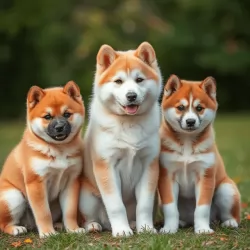 The Akita Inu is a large, noble, and powerful breed known for its dignified presence, strong loyalty, and quiet confidence. Originally bred for hunting and guarding, Akitas are naturally protective, courageous, and independent thinkers.
They form deep bonds with their family but are often aloof with strangers. Calm and clean by nature, they rarely bark without reason and carry themselves with elegance and strength.
Their double coat is thick and weather-resistant, requiring regular grooming, and they shed heavily, especially seasonally.
While intelligent, Akitas can be stubborn, so they thrive best with experienced owners who can offer consistent training and leadership. With proper care and socialization, the Akita Inu is a devoted, majestic companion.
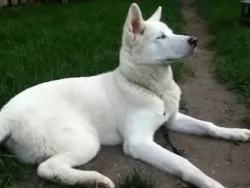 The Pungsan is a wonderful dog if you’re looking for an affectionate, loyal pet.
These dogs thrive on having an owner that is energetic and a strong leader. It likes to become involved in all the activities the family is involved in, loving to join them on hikes and camping trips. Its a dog that is also protective and territorial and makes a good watchdog too.
With proper training and socialization he gets on well with children and other pets in the home, making him a welcome canine family member for any busy household.
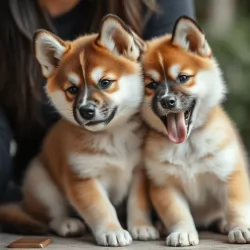 The Akita Inu is generally a strong and resilient breed, but it is prone to several genetic and breed-specific health issues.
Common concerns include hip and elbow dysplasia, progressive retinal atrophy (PRA), and hypothyroidism, all of which can affect mobility, vision, and metabolism.
The breed is also susceptible to autoimmune disorders like VKH-like syndrome and sebaceous adenitis, a skin condition causing hair loss and irritation. Additionally, Akitas may experience bloat (gastric torsion), a life-threatening emergency common in deep-chested dogs.
Regular veterinary care, proper diet, and responsible breeding practices are essential to help minimize health risks and ensure a long, healthy life.
 The Pungsan is a healthy breed prone to very few health issues, yet there will always be those common health issues that plague dogs like these. One of these is hip dysplasia, while others are obesity, bloat and cancer.
It can be very sad when your vet tells you that your dog has hip dysplasia. Fortunately with modern veterinary medicine, a dog can be kept happy with this ailment.
The hip joint doesn’t develop properly and painful wear and tear with arthritis makes it very difficult for the dog to be mobile. It’s a genetic condition but diet and environmental factors play a huge part too. Get your pet to the vet to ensure he is pain free.
Seizures in a dog can be caused usually because of trauma, tumor or infection. Seizures can start from as young as 6 months of age.Some seizures can last for a long time and are considered an emergency, requiring immediate veterinary help.Your veterinarian will want a complete history and perform a neurological exam.
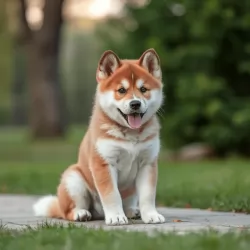 Caring for an Akita Inu involves commitment, consistency, and understanding of the breed's unique needs. They require regular grooming, especially during seasonal shedding, with brushing at least 2–3 times a week and daily during coat blow periods.
Akitas thrive on routine exercise, such as long walks or playtime in a secure area, but they aren’t overly energetic. Training and socialization should start early, using positive reinforcement and calm, firm leadership to manage their independent and protective nature.
They are best suited to homes where they are the only pet or properly introduced to others. Akitas are clean, quiet, and typically bond closely with their family, so providing mental stimulation, affection, and clear boundaries is key.
Regular vet checkups, a balanced diet, and proper social interaction help keep your Akita healthy, happy, and well-adjusted.
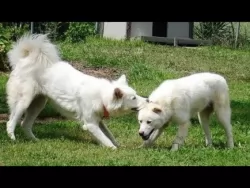 With his dense coat, this dog will require a brush twice a week to keep the fur free from matting and from loose hair. He is after all a fairly heavy shedder and will require this regular brushing to remove the dead hair and maintain the luster and sheen of the coat.
This is a strong, athletic dog and he is mentally sharp as well. He will require vigorous physical- and mental activity each day. He isn’t the kind of dog to lie around for long periods of time as this leads to frustration and destructive behavior and then the owner should be blamed.
Take him on walks or long hikes – he’ll love that – and play ball- and rope games with him. He will be quite game for swimming as well.
Your Pungsan dog can get to 14 years of age with good food. While you do get some excellent commercially manufactured dog foods, you want to be sure your pet gets some nutritious home-made food too.
Make sure that the kibble is the high quality ones with lots of vitamins and minerals. Add in some home-made food twice a week. Boiled chicken, brown rice or pasta and spinach, sweet potatoes and carrots are a healthy choice for your pet. Your dog will do well on plain, simple, nutritious, tasty food like this. Chop this food up and add it into the dry kibble a couple of times a week.
Some raw meat added in from time to time will help his skin and coat remain healthy. Never leave him without a constant source of fresh, cool water.