 MyDogBreeds
 Akita Inu is originated from Japan but Silken Windhound is originated from United States. Akita Inu may grow 11 cm / 5 inches higher than Silken Windhound. Akita Inu may weigh 19 kg / 42 pounds more than Silken Windhound. Akita Inu may live 3 years less than Silken Windhound. Akita Inu may have more litter size than Silken Windhound. Akita Inu requires Moderate maintenance. But Silken Windhound requires Low maintenance
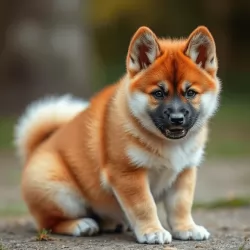 The Akita Inu, originating from Japan's snowy Akita Prefecture, has a long-standing legacy as a powerful hunting dog and loyal companion. Bred in the 1600s to track large game like boar and bear, the Akita quickly earned its place among Japanese nobility as a guardian and symbol of courage.
Its dignified nature and unwavering loyalty were immortalized in the true story of Hachikō, an Akita who waited nearly a decade for his deceased owner at a Tokyo train station. This devotion captured national and global admiration, leading to the breed’s recognition as a national treasure in Japan.
After World War II, American soldiers introduced Akitas to the West, giving rise to a larger, more robust variation known as the American Akita. Today, the Akita Inu remains a cherished breed worldwide for its strength, loyalty, and quiet dignity.
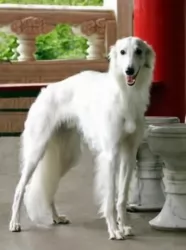 The Silken Windhound is a breed intentionally developed by Borzoi and Deerhound breeder, Francie Stull. Although the first litter of the Windhoud was not born until 1995, their development began in discussions ten years later. Bred as a cross between her beloved Deerhounds and Borzoi, the first Society for the breed formed in 1999 and they were recognized by the UKC in 2011.
Ms. Stull wanted another breed for her kennel and decided on a smaller sighthound than her Borzoi. She wanted a long coat, a good temperament, good health, and possessing the same athletic abilities, grace and poise as the sighthounds that are larger. She developed the Silken Windhound based on this vision.
With this in mind, the kennel purchased the pick of a litter from the American and English Borzoi Champion bitch, Stillwater Virginia Reel. This puppy was eventually bred to Stillwater White Lightning and produced puppy that was a blue brindle. This dog, Stillwater Kristull Peacock, had the coat, personality and structure that Ms. Stull wanted for the new breed. She was bred to Deerhound Windsprite Autumnal Xenon to form the foundation for the Silken Windhound.
Over time champion Borzoi were bred with multi-generation Whippet based dogs and small Whippet from coursing and show lines. Finally, all of this work was rewarded with an incredible little sighthound to fit in the line of sighthounds between the giant and large breeds and the smaller whippet type breeds.
The Silken Windhound lives today in 24 different countries. They take their place in hound competitions all over the world in obedience, lure coursing, and racing. They are a Limited Stake Breed in the ASFA and competed with 40 other dogs in 2010. Then they were accepted by the NOFCA or National Open Filed Coursing Association, also in 2010. Finally, in 2011 they were fully accepted by the UKC.
The Silken Windhound is recognized in addition to the UKC, by the Dog Registry of America, the Rarities Inc., the American Canine Association, the Kennel Club of Slovenia, the American Pet Registry, Inc., the International Silken Windhound Society and the International, All-Breed Canine Association of America.
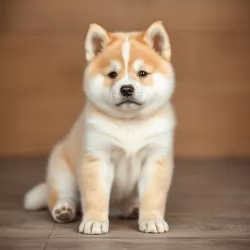 The Akita Inu is a large, powerful, and dignified dog breed known for its striking appearance, quiet nature, and unwavering loyalty.
Originating from Japan, it has a broad head, erect triangular ears, and a plush double coat that comes in red, white, brindle, or sesame, with characteristic urajiro (whitish markings). The Akita carries itself with pride and confidence, often aloof with strangers but deeply affectionate and protective toward its family.
Calm, intelligent, and strong-willed, the breed requires early socialization and firm, consistent training. Though not ideal for first-time owners, the Akita Inu is a loyal guardian and devoted companion for those who understand and respect its independent spirit.
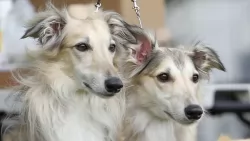
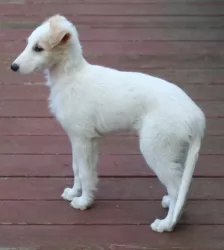 The Silken Windhound is a breed of beautiful, athletic medium sized dogs. They have the long coat, athletic build and classic lines of the sighthound/coursing dog. Just looking at them and you know they have strength, balance and grace in those medium sized bodies. Their running ability is exceptional. They perform well in the confirmation rings.
They are sine boned, balanced with smooth muscles – a sleek hardy looking dog. They have almond-shaped, large, dark eyes with small folded ears. Looking in their faces you see intelligence, friendliness and alertness. The head is long with a well balanced muzzle and a dark, slightly down-turned nose. Her lips are dark and full and her neck long and slender. The Silken Windhound must have a flexible loin because they have a gallop of double suspensions and are amazingly fast. A deep chest is also a must with a flexible, curving tail. Her legs are straight and long, as she is built for speed.
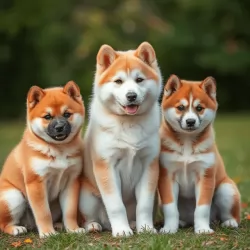 The Akita Inu is a large, noble, and powerful breed known for its dignified presence, strong loyalty, and quiet confidence. Originally bred for hunting and guarding, Akitas are naturally protective, courageous, and independent thinkers.
They form deep bonds with their family but are often aloof with strangers. Calm and clean by nature, they rarely bark without reason and carry themselves with elegance and strength.
Their double coat is thick and weather-resistant, requiring regular grooming, and they shed heavily, especially seasonally.
While intelligent, Akitas can be stubborn, so they thrive best with experienced owners who can offer consistent training and leadership. With proper care and socialization, the Akita Inu is a devoted, majestic companion.
 1. Children friendliness – they are great with children and would romp with them all day.
3.Adaptability Like most sighthounds they can be couch potatoes but being medium sized they can live just about anywhere as long as it is inside.
4.Learning ability - They are smart but their learning ability can be hampered by their stubbornness.
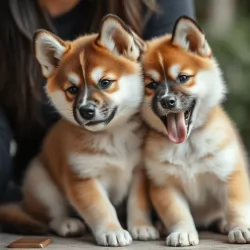 The Akita Inu is generally a strong and resilient breed, but it is prone to several genetic and breed-specific health issues.
Common concerns include hip and elbow dysplasia, progressive retinal atrophy (PRA), and hypothyroidism, all of which can affect mobility, vision, and metabolism.
The breed is also susceptible to autoimmune disorders like VKH-like syndrome and sebaceous adenitis, a skin condition causing hair loss and irritation. Additionally, Akitas may experience bloat (gastric torsion), a life-threatening emergency common in deep-chested dogs.
Regular veterinary care, proper diet, and responsible breeding practices are essential to help minimize health risks and ensure a long, healthy life.
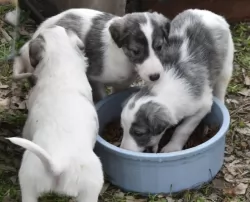 Most inherited diseases and conditions are rare. There is some drug related sensitivity, especially to ivermectin, and some dogs carry a MDR1 (multi-drug resistance gene) that is defective. Breeders are attempting to breed this out of the Silkens. A few other rare instances of concern include:
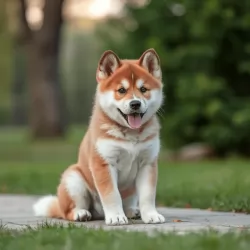 Caring for an Akita Inu involves commitment, consistency, and understanding of the breed's unique needs. They require regular grooming, especially during seasonal shedding, with brushing at least 2–3 times a week and daily during coat blow periods.
Akitas thrive on routine exercise, such as long walks or playtime in a secure area, but they aren’t overly energetic. Training and socialization should start early, using positive reinforcement and calm, firm leadership to manage their independent and protective nature.
They are best suited to homes where they are the only pet or properly introduced to others. Akitas are clean, quiet, and typically bond closely with their family, so providing mental stimulation, affection, and clear boundaries is key.
Regular vet checkups, a balanced diet, and proper social interaction help keep your Akita healthy, happy, and well-adjusted.
 1.Feeding the puppy This is a medium sized, active breed. They need high quality dog food with plenty of protein. Feed them 3 times a day from a food made for high energy active medium sized breeds.
2.Feeding the adult - Feed them 2 times a day from a food made for high energy active medium sized breeds.
4. Games and Exercises The breed is active, and they love to run. They need daily exercise and they usually excel at flyball, agility, obedience and therapy. Obviously, they are very good at lure coursing and racing. They love to run or jog with you.