 MyDogBreeds
 Akita Inu is originated from Japan but Slovensky Hrubosrsty Stavac is originated from Slovakia. Both Akita Inu and Slovensky Hrubosrsty Stavac are having almost same height. Both Akita Inu and Slovensky Hrubosrsty Stavac are having almost same weight. Both Akita Inu and Slovensky Hrubosrsty Stavac has almost same life span. Akita Inu may have more litter size than Slovensky Hrubosrsty Stavac. Akita Inu requires Moderate maintenance. But Slovensky Hrubosrsty Stavac requires Low maintenance
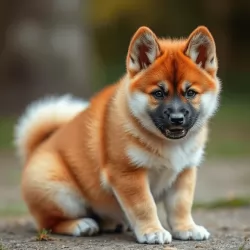 The Akita Inu, originating from Japan's snowy Akita Prefecture, has a long-standing legacy as a powerful hunting dog and loyal companion. Bred in the 1600s to track large game like boar and bear, the Akita quickly earned its place among Japanese nobility as a guardian and symbol of courage.
Its dignified nature and unwavering loyalty were immortalized in the true story of Hachikō, an Akita who waited nearly a decade for his deceased owner at a Tokyo train station. This devotion captured national and global admiration, leading to the breed’s recognition as a national treasure in Japan.
After World War II, American soldiers introduced Akitas to the West, giving rise to a larger, more robust variation known as the American Akita. Today, the Akita Inu remains a cherished breed worldwide for its strength, loyalty, and quiet dignity.
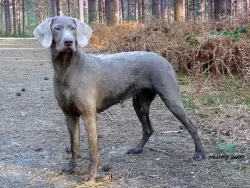 Breeding of the Slovak Hruborsty Stavac, fondly referred to as the SHS began around the 1940s.
There were some dog lovers who were interested in crossing the coarse haired dogs of Slovakia with the German Wirehaired, the Czech blower and the Weimaraner. The outcome was a rough-haired kind of Weimaraner-looking dog.
While hunters and hunting were quite common in Slovakia, the breed became rather rare with the wars when hunting became less, but the dog was reconstructed by breeders, but is still rare outside Slovakia.
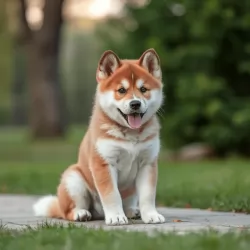
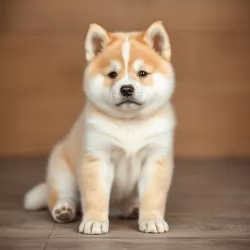 The Akita Inu is a large, powerful, and dignified dog breed known for its striking appearance, quiet nature, and unwavering loyalty.
Originating from Japan, it has a broad head, erect triangular ears, and a plush double coat that comes in red, white, brindle, or sesame, with characteristic urajiro (whitish markings). The Akita carries itself with pride and confidence, often aloof with strangers but deeply affectionate and protective toward its family.
Calm, intelligent, and strong-willed, the breed requires early socialization and firm, consistent training. Though not ideal for first-time owners, the Akita Inu is a loyal guardian and devoted companion for those who understand and respect its independent spirit.
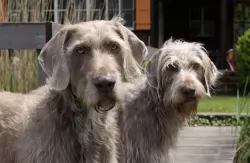
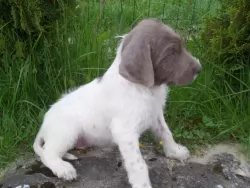 The dog is fairly large, standing at between 62 and 68cm in height and weighs 25 - 35kg. The coat is fairly coarse and dense and is a grey/silver shade with a touch of brown.
There is quite a bit of hair around the face. The ears are medium length and floppy and the tail is mostly docked to half its length but can be left long as well. The tail is set high and carried vertically and can be well feathered. The eyes are almond-shaped, and the dog has an intelligent appearance to him.
The Slovensky Hruborsty Stavac is a sharp dog, making it easy to have him trained and socialized. He is such a friendly, social dog, getting on well with all family members and loving to get involved with the games of the children.
There is no aggression in this dog and when you provide him with the exercise that he craves, he is loyal, gentle and loving, getting on well with other dogs as well.
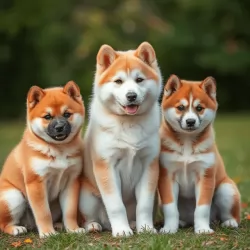 The Akita Inu is a large, noble, and powerful breed known for its dignified presence, strong loyalty, and quiet confidence. Originally bred for hunting and guarding, Akitas are naturally protective, courageous, and independent thinkers.
They form deep bonds with their family but are often aloof with strangers. Calm and clean by nature, they rarely bark without reason and carry themselves with elegance and strength.
Their double coat is thick and weather-resistant, requiring regular grooming, and they shed heavily, especially seasonally.
While intelligent, Akitas can be stubborn, so they thrive best with experienced owners who can offer consistent training and leadership. With proper care and socialization, the Akita Inu is a devoted, majestic companion.
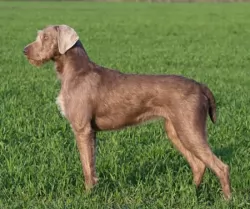 The Slovensky Hruborsty Stavac is such a bouncy, amicable pet, full of energy. He may appear to be confident and full of the joys but he secretly can’t stand it when his human family don’t include him in everything. He can actually suffer with separation anxiety.
He is an athletic dog and will require lots of exercise – walks, hikes, ball games and running off his leash.
He is quiet but strong-willed and will respond well to a strong, firm, consistent, kind owner.
These dogs make the most awesome pets and you can either find one from a rescue group or find a puppy from a reputable breeder. Whatever you decide on, the Slovensky Hruborsty Stavac makes an extraordinary pet.
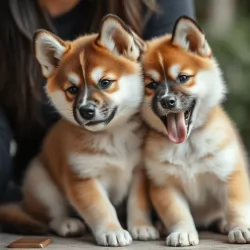 The Akita Inu is generally a strong and resilient breed, but it is prone to several genetic and breed-specific health issues.
Common concerns include hip and elbow dysplasia, progressive retinal atrophy (PRA), and hypothyroidism, all of which can affect mobility, vision, and metabolism.
The breed is also susceptible to autoimmune disorders like VKH-like syndrome and sebaceous adenitis, a skin condition causing hair loss and irritation. Additionally, Akitas may experience bloat (gastric torsion), a life-threatening emergency common in deep-chested dogs.
Regular veterinary care, proper diet, and responsible breeding practices are essential to help minimize health risks and ensure a long, healthy life.
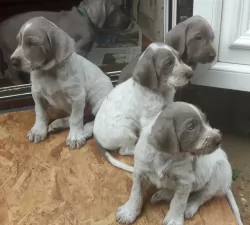 There are always some illnesses that your dog might get but which isn’t likely with your pet as these are healthy dogs.
Dogs can die within a few hours if not treated with this ailment. Bloat is a condition where the stomach twists and fills with gas. The stomach is swollen and the gas can cause breathing problems because it puts pressure on the diaphragm. If you suspect that your dog has bloat, he should be rushed to the vet as soon as possible.
 Caring for an Akita Inu involves commitment, consistency, and understanding of the breed's unique needs. They require regular grooming, especially during seasonal shedding, with brushing at least 2–3 times a week and daily during coat blow periods.
Akitas thrive on routine exercise, such as long walks or playtime in a secure area, but they aren’t overly energetic. Training and socialization should start early, using positive reinforcement and calm, firm leadership to manage their independent and protective nature.
They are best suited to homes where they are the only pet or properly introduced to others. Akitas are clean, quiet, and typically bond closely with their family, so providing mental stimulation, affection, and clear boundaries is key.
Regular vet checkups, a balanced diet, and proper social interaction help keep your Akita healthy, happy, and well-adjusted.
 Before you bring your pet home, dog-proof your house. It won’t be fair to leave tempting, chewy things lying around and expect your pet to not be interested in them. Also, keep dangerous chemicals out of reach of your pet.
Prepare for your pet beforehand and have feeding- and water bowls ready as well as a nice basket or some other sleeping equipment available for him.
If you’re bringing an adult rescue dog home, try to feed him the same kind of food he was already eating, as too many changes can upset him. When he settles down, you can move over to other food. Keeping his food consistent can avoid digestive problems.
If you opt to feed him one of the commercially manufactured dog foods, make sure its the best quality as some of them are bad, filled with things such as colorants, preservatives and fillers. Try and give him some homemade food which you can add into the dry kibble twice a week. Boiled chicken, brown rice or pasta and spinach, sweet potatoes and carrots all boiled slowly together will delight your pet. Chop it all up and your pet will look so forward to this. Dogs thrive on simple, consistent meals like this. Provide water at all times.
The amount of exercise any dog needs is dependent on age, size and energy levels. Because the Slovensky Hruborsty Stavac is an energetic breed, he will need a good dose of exercise. If you have a puppy, avoid strenuous exercise as this can damage the soft, developing bones and joints. As well as walks and ball games, mental stimulation is also important for this dog. Consider buying some puzzle toys or feeders for your pet.
Keep up to date with all your dog’s immunizations and get your pet to the vet as soon as he is sick. There are some illnesses such as bloat which can claim your pet’s life in just a few hours if not attended to.