 MyDogBreeds
 Akita Inu is originated from Japan but Spanish Water Dog is originated from Spain. Akita Inu may grow 21 cm / 9 inches higher than Spanish Water Dog. Akita Inu may weigh 17 kg / 38 pounds more than Spanish Water Dog. Both Akita Inu and Spanish Water Dog has almost same life span. Both Akita Inu and Spanish Water Dog has almost same litter size. Both Akita Inu and Spanish Water Dog requires Moderate maintenance.
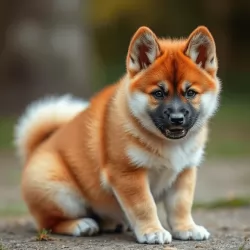 The Akita Inu, originating from Japan's snowy Akita Prefecture, has a long-standing legacy as a powerful hunting dog and loyal companion. Bred in the 1600s to track large game like boar and bear, the Akita quickly earned its place among Japanese nobility as a guardian and symbol of courage.
Its dignified nature and unwavering loyalty were immortalized in the true story of Hachikō, an Akita who waited nearly a decade for his deceased owner at a Tokyo train station. This devotion captured national and global admiration, leading to the breed’s recognition as a national treasure in Japan.
After World War II, American soldiers introduced Akitas to the West, giving rise to a larger, more robust variation known as the American Akita. Today, the Akita Inu remains a cherished breed worldwide for its strength, loyalty, and quiet dignity.
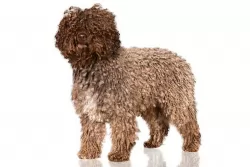 Bred in Spain to guard and herd sheep, the Spanish Water Dog was also used in hunting because he could retrieve in water. The breed is closely aligned with other water dogs like the Irish Water Spaniel, Portuguese Water Dog and French Barbel. It is especially true that the Spanish Water Dog and the Portuguese Water Dog share some of the same ancestors. The two breeds are closely related.
In the early days of the breed, they were separated into three different sizes and types. The dogs from Northern Spain were smaller than the others and came from the regions of Cantabria and Asturias. These lighter colored dogs eventually became their own breed – the Cantabria Water Dog. The second group came from western Andalusia marsh lands. He had a long chorded coat. The third group was the strongest and largest and came from the southern Andalusian sierras. This was by far the largest and most influential group, most of whom were herders. Eventually the groups interbred and today’s SWD carries the traits of all three. They were and still are a very versatile breed. In addition to herding they fished or retrieved for hunters.
The breed was revived in the 1970”s by two breeders, Santiago Montesinos and Antonio Garcia Perez travelled through southern Spain to buy or borrow dogs for breeding. By 1980, they had established the Spanish Water Dog Club of Spain and reestablished the breed. They fought to the breed recognized in Spain first. After five years of hard work, the Federation Cynologique Internationale recognized the breed permanently in 1999.
The UKC, or United Kennel Club, of the United States, recognized the breed in 2001, accepting them for confirmation by 2004. In the United States the breed was championed by Ken and Jerry Mann to attain that UKC recognition. Still the AKC, or American Kennel Club, held out on their recognition. The Manns showed the SWD in 2000 in the AKC Rare Breed Conformation and the UKC multi-breed show in 2004.
The Manns also used their breed for herding in the United States in entered them into the herding competition. In the they advocated for and got the SWD into the herding group for confirmation with the UKC in 2013. The American Kennel Club approved the requests of the Spanish Water Dog Club, Inc and recognized the breed in 2005 as foundation stock. By 2008 the AKC recognized the SWD to be able to compete in field trials by not conformation. In 2015 the SWD will be admitting to AKC conformation and fully recognized as a member of the herding group. They were also recognized by the American Herding Breed Association in 2007.
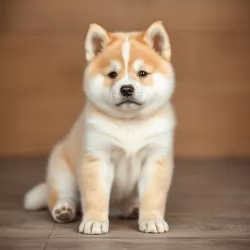 The Akita Inu is a large, powerful, and dignified dog breed known for its striking appearance, quiet nature, and unwavering loyalty.
Originating from Japan, it has a broad head, erect triangular ears, and a plush double coat that comes in red, white, brindle, or sesame, with characteristic urajiro (whitish markings). The Akita carries itself with pride and confidence, often aloof with strangers but deeply affectionate and protective toward its family.
Calm, intelligent, and strong-willed, the breed requires early socialization and firm, consistent training. Though not ideal for first-time owners, the Akita Inu is a loyal guardian and devoted companion for those who understand and respect its independent spirit.
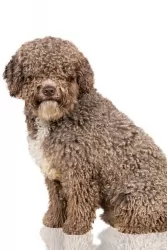
 The Spanish Water Dog is an athletic, medium size, robust breed that is not as tall as it is long. In countries like the US, the tails are docked but it is not a conformation fault if they are not. The carry themselves with pride and elegance, have a strong head and expressive eyes which are brown. They have flat skulls and wide set eyes. Their paw pads, eye-rims and nose should be darker than their coat or at least the same color. Their eyes are chestnut, hazel or dark brown and their ears are medium height and triangular. His coat is curly and his topline is straight. With a broad chest and arched rib, he is a very athletic looking dog. The breed has much respiratory capacity with broad shoulders and straight sturdy legs. The breed has rounded feet , tight toes, and resistant pads.
 The Akita Inu is a large, noble, and powerful breed known for its dignified presence, strong loyalty, and quiet confidence. Originally bred for hunting and guarding, Akitas are naturally protective, courageous, and independent thinkers.
They form deep bonds with their family but are often aloof with strangers. Calm and clean by nature, they rarely bark without reason and carry themselves with elegance and strength.
Their double coat is thick and weather-resistant, requiring regular grooming, and they shed heavily, especially seasonally.
While intelligent, Akitas can be stubborn, so they thrive best with experienced owners who can offer consistent training and leadership. With proper care and socialization, the Akita Inu is a devoted, majestic companion.
 3.Adaptability - very adaptable with the right exercise. Neither heat nor cold bother them.
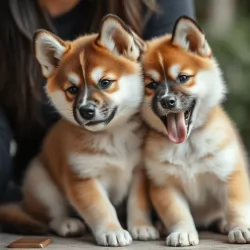 The Akita Inu is generally a strong and resilient breed, but it is prone to several genetic and breed-specific health issues.
Common concerns include hip and elbow dysplasia, progressive retinal atrophy (PRA), and hypothyroidism, all of which can affect mobility, vision, and metabolism.
The breed is also susceptible to autoimmune disorders like VKH-like syndrome and sebaceous adenitis, a skin condition causing hair loss and irritation. Additionally, Akitas may experience bloat (gastric torsion), a life-threatening emergency common in deep-chested dogs.
Regular veterinary care, proper diet, and responsible breeding practices are essential to help minimize health risks and ensure a long, healthy life.
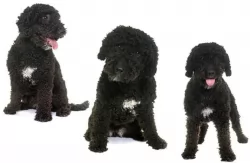 The Spanish Water Dog has much of the same health problems as the other water dogs and dogs their size and heritage. Here are some of the health issues they are prone to.
• Exocrine Pancreatic Insufficiency – inability to digest food – can be treated.
• CHG – Congenital Hypothyroidism with Goiter – inherited and pups don’t grow correctly.
• Neuroaxonal Dystrophy – cognitive and muscular dysfunction. Vitamin E and insulin deficiency
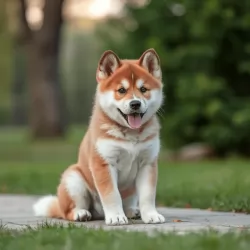 Caring for an Akita Inu involves commitment, consistency, and understanding of the breed's unique needs. They require regular grooming, especially during seasonal shedding, with brushing at least 2–3 times a week and daily during coat blow periods.
Akitas thrive on routine exercise, such as long walks or playtime in a secure area, but they aren’t overly energetic. Training and socialization should start early, using positive reinforcement and calm, firm leadership to manage their independent and protective nature.
They are best suited to homes where they are the only pet or properly introduced to others. Akitas are clean, quiet, and typically bond closely with their family, so providing mental stimulation, affection, and clear boundaries is key.
Regular vet checkups, a balanced diet, and proper social interaction help keep your Akita healthy, happy, and well-adjusted.
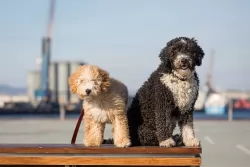 1.Feeding the puppy – Because of the breed propensity to some genetic dietary issues it is important to feed high quality food made from mostly meat. Avoid grains as much as possible. Don’t feed adult foods to the puppies. Feed puppy breed specific or medium size dogs.
2.Feeding the adult - Feed the adult as little grain and as much protein as possible. Feed adult breed specific or medium size dog’s food.
4. Games and Exercises – This is a working breed. Remember they are both herders and hunters and need exercise. They love strenuous hiking, running, jogging, long walks, swimming and playing fetch. Don’t over work the puppy/young dog until they have matured and their growth plates close.