 MyDogBreeds
 Akita Inu is originated from Japan but Tea Cup Chihuahua is originated from Mexico. Akita Inu may grow 33 cm / 13 inches higher than Tea Cup Chihuahua. Akita Inu may weigh 36 kg / 80 pounds more than Tea Cup Chihuahua. Both Akita Inu and Tea Cup Chihuahua has almost same life span. Akita Inu may have more litter size than Tea Cup Chihuahua. Both Akita Inu and Tea Cup Chihuahua requires Moderate maintenance.
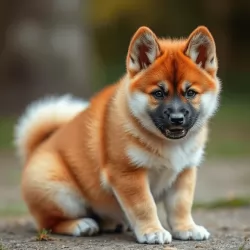 The Akita Inu, originating from Japan's snowy Akita Prefecture, has a long-standing legacy as a powerful hunting dog and loyal companion. Bred in the 1600s to track large game like boar and bear, the Akita quickly earned its place among Japanese nobility as a guardian and symbol of courage.
Its dignified nature and unwavering loyalty were immortalized in the true story of Hachikō, an Akita who waited nearly a decade for his deceased owner at a Tokyo train station. This devotion captured national and global admiration, leading to the breed’s recognition as a national treasure in Japan.
After World War II, American soldiers introduced Akitas to the West, giving rise to a larger, more robust variation known as the American Akita. Today, the Akita Inu remains a cherished breed worldwide for its strength, loyalty, and quiet dignity.
 Chihuahua is a state in the country of Mexico. From this state, the dog breed Chihuahua and the “teacup, or toy” chihuahua take their name. Interestingly the Chihuahua Club of America maintains that “teacup” Chihuahuas do not exist and that the size differential is normal for the breed. Chihuahuas or their ancestors have been around a very long time, sadly the exact origins of the Chihuahua are lost into the pages of history, but archaeological clues such as wheeled dog toys, art, and pottery link the Chihuahua to Mexico and to the Techichi dog. The Techichi dog at the time of the Spanish Conquistadors was sold for food (not unlike we sell beef or chicken) and also as a companion dog to death. Cortez even mentioned the Techichi dog in a letter sent back to Spain, describing them as being raised for food and sold in the marketplace.
When a death occurred a dog was chosen as a companion and cremated with the deceased. It was believed that the dog helped the soul of the decedent reach their eternal destination. The Techichi dog from which the modern-day chihuahua likely descended was very plentiful in the central American area that is now the country of Mexico and raised by the ancient Toltecs and later the Aztec people.
Chihuahuas are little dogs and come in a variety of coats, head shapes and even (within the designation small) sizes. The designation “teacup, toy or pocket” while not an official breed name is a useful descriptor, since they are the littlest of an already small breed and these minute pets, as puppies, may fit into a teacup or a pocket.
Fortunately while no longer a food source, the chihuahua is now sought after as a loyal and lively pet and companion.
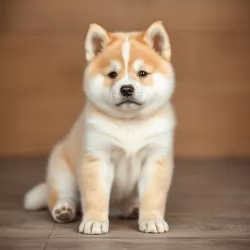 The Akita Inu is a large, powerful, and dignified dog breed known for its striking appearance, quiet nature, and unwavering loyalty.
Originating from Japan, it has a broad head, erect triangular ears, and a plush double coat that comes in red, white, brindle, or sesame, with characteristic urajiro (whitish markings). The Akita carries itself with pride and confidence, often aloof with strangers but deeply affectionate and protective toward its family.
Calm, intelligent, and strong-willed, the breed requires early socialization and firm, consistent training. Though not ideal for first-time owners, the Akita Inu is a loyal guardian and devoted companion for those who understand and respect its independent spirit.
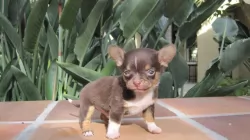 Chihuahuas are small. Even the bigger ones are only about six pounds and a “teacup” or “toy” is often three pounds or less. Their bodies are slightly longer than they are tall, but even the tallest are not over nine inches. Chihuahua standing under five inches in height is not uncommon in the “teacup” or smallest of these dogs. They have two different head types and a domed skull. One type of head shape is like a deer while the other is described as an apple-shaped head. The apple-shaped heads are more popular than the deer shaped heads, although sometimes in the “teacup” especially the soft spot fails to close at maturity when growth is complete and the bones should knit, therefore leaving a soft spot in their skull – this is called a molera.
Like different shaped heads chihuahua may have long hair or short-haired coats. The short-haired coats are smooth. The Chihuahua coats may be a large variety of colors ranging from black to white, with red, brown, fawn, cream and chocolate and they may be solid-colored, spotted or sabled. Personal preference is the determining factor on the type of coat a pet Chihuahua has since the breed does not have a preferred color, pattern, hair length or feel. Their muzzle (nose/mouth combination) is short and pointed. Chihuahua have have naturally erect pointed ears and large round eyes. A Chihuahuas tail is relatively long and mostly either curled up and over the back or carried up.
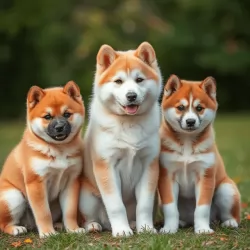 The Akita Inu is a large, noble, and powerful breed known for its dignified presence, strong loyalty, and quiet confidence. Originally bred for hunting and guarding, Akitas are naturally protective, courageous, and independent thinkers.
They form deep bonds with their family but are often aloof with strangers. Calm and clean by nature, they rarely bark without reason and carry themselves with elegance and strength.
Their double coat is thick and weather-resistant, requiring regular grooming, and they shed heavily, especially seasonally.
While intelligent, Akitas can be stubborn, so they thrive best with experienced owners who can offer consistent training and leadership. With proper care and socialization, the Akita Inu is a devoted, majestic companion.
 Children friendliness very interactive with family but has been known to nip at small children and bark, so no not really
3. Adaptability yes but they are better off in apartments and homes not out in the country where their size makes them targets for predators.
4. Learning ability average ability to learn but Chihuahua can be but stubborn which may impact ability and willingness to learn.
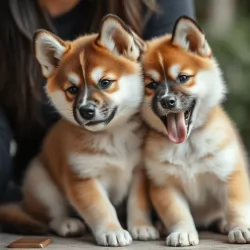 The Akita Inu is generally a strong and resilient breed, but it is prone to several genetic and breed-specific health issues.
Common concerns include hip and elbow dysplasia, progressive retinal atrophy (PRA), and hypothyroidism, all of which can affect mobility, vision, and metabolism.
The breed is also susceptible to autoimmune disorders like VKH-like syndrome and sebaceous adenitis, a skin condition causing hair loss and irritation. Additionally, Akitas may experience bloat (gastric torsion), a life-threatening emergency common in deep-chested dogs.
Regular veterinary care, proper diet, and responsible breeding practices are essential to help minimize health risks and ensure a long, healthy life.
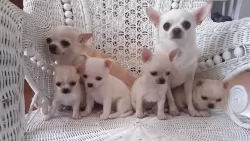 Chihuahuas live on average fourteen to eighteen years. There are some issues that may cause concern or lower life expectancy.]
• Hypoglycemia (low blood sugar) is something to watch for. Low blood sugar can cause death in just a few hours but when caught is very easily treated. Some of the symptoms are being uncoordinated when walking, acting sleepy or lethargic, unfocused sight, fainting, having a seizure or having spasms in the muscles of the neck. First aid can right this condition with a sweet supplement like corn syrup, or honey. This is more common in puppies, but the teacup chihuahuas are susceptible.
• Hydrocephalus (water on the brain) can affect many toy dog breeds. The puppy or dog will appear to have an oversized head, and be slow (display lethargy) and grow slower than its littermates.
• Pulmonic stenosis (a heart condition) occurs when the right ventricle is impeded. Teacup Chihuahuas are also susceptible to heart murmurs.
• Collapsed trachea this occurs when the cartilaginous rings in a Chihuahua do not form completely or weaken. This can be hereditary or an acquired condition and occurs in other small breeds of dog.
• Molera – where after finishing growth a soft spot remains in the skull and the bones do not knit. As a puppy, the owner must remain vigilant about head injuries.
• Obesity (overweight). Most of the time this is a result of the Teacup Chihuahua being overfed. Obesity can contribute to a shortened lifespan and chronic bronchitis.
• Cold susceptibility. Cold weather can cause Teacup Chihuahuas to shiver or tremble when exposed and during cold temperatures, the dogs may need to wear a sweater and boots outside and cuddle with their owners under blankets or bask in the sun to stay warm.
• Infected or injured eyes. Due to the prominent eyes, exposure to irritants such as dust, allergens, or dry air can cause the dog to develop this beginning with watering eyes.
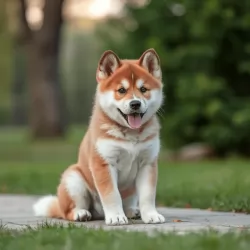 Caring for an Akita Inu involves commitment, consistency, and understanding of the breed's unique needs. They require regular grooming, especially during seasonal shedding, with brushing at least 2–3 times a week and daily during coat blow periods.
Akitas thrive on routine exercise, such as long walks or playtime in a secure area, but they aren’t overly energetic. Training and socialization should start early, using positive reinforcement and calm, firm leadership to manage their independent and protective nature.
They are best suited to homes where they are the only pet or properly introduced to others. Akitas are clean, quiet, and typically bond closely with their family, so providing mental stimulation, affection, and clear boundaries is key.
Regular vet checkups, a balanced diet, and proper social interaction help keep your Akita healthy, happy, and well-adjusted.
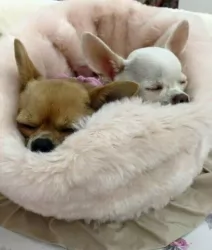 1. Feeding the Puppies. Puppies should be fed four times a day. Underfeeding can cause the issues of low blood sugar and overfeeding can result in obesity increasing the risk of other health complications.
2. Feeding the Adult. Adult teacups are also vulnerable to hypoglycemia and obesity. Of course, the low blood sugar will be much more acute than obesity and need prompt care if it occurs. Adult teacups should be fed twice a day.
3. Points for Good Health. The chihuahua generally exhibits more vigor and endurance than pet owners expect from such a small breed of dog.
4. Games and Exercise for Teacup Chihuahua. Go ahead and run and play but remember even with the unexpected stamina and endurance this is a very small dog, small legs, using discernment, judgment, and restraint so the games and exercise is fun and builds health and is a special bonding time, without jeopardizing the sugar levels or causing exhaustion or misery.