 MyDogBreeds
 Akita Inu is originated from Japan but Thai Ridgeback is originated from Thailand. Akita Inu may grow 10 cm / 4 inches higher than Thai Ridgeback. Both Akita Inu and Thai Ridgeback are having almost same weight. Both Akita Inu and Thai Ridgeback has almost same life span. Akita Inu may have more litter size than Thai Ridgeback. Both Akita Inu and Thai Ridgeback requires Moderate maintenance.
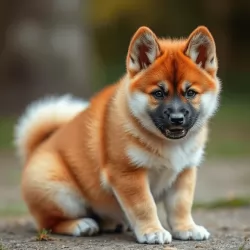 The Akita Inu, originating from Japan's snowy Akita Prefecture, has a long-standing legacy as a powerful hunting dog and loyal companion. Bred in the 1600s to track large game like boar and bear, the Akita quickly earned its place among Japanese nobility as a guardian and symbol of courage.
Its dignified nature and unwavering loyalty were immortalized in the true story of Hachikō, an Akita who waited nearly a decade for his deceased owner at a Tokyo train station. This devotion captured national and global admiration, leading to the breed’s recognition as a national treasure in Japan.
After World War II, American soldiers introduced Akitas to the West, giving rise to a larger, more robust variation known as the American Akita. Today, the Akita Inu remains a cherished breed worldwide for its strength, loyalty, and quiet dignity.
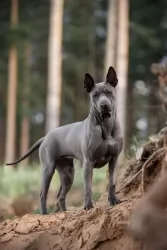 Until recently the Thai Ridgeback was not known outside of its native land. However, after being recently recognized as a standard breed, the dogs are getting some notice from the western world. They are one of three known ridgeback breeds with the ridge running the opposite direction of the rest of her fur. The other breeds with this characteristic are the better known Rhodesian Ridgeback and the even lesser known Phu Quoc Ridgeback.
The Thai Ridgeback is believed to have originated in eastern Thailand but there is no documentation of their actual history. The breed is thought to be descended from the Funan Ridgeback based on a genetic hypothesis. It is thought that the same Funan Ridgeback is an ancestor od the Phu Quoc Dog. This Funan Ridgeback lived over a century ago. Along with the Rhodesian Ridgeback, all have a common ridgebearing ancestor.
It is still unknown where the original ridge came from but it has been shown that all of the ridgeback dogs have the same genetic mutation and even though the Rhodisian is from Africa, there is not a parallel mutation. The Thai Ridgeback is an active, energetic, tough dog. He is loyal, intelligent, and has great jumping ability.
 The Akita Inu is a large, powerful, and dignified dog breed known for its striking appearance, quiet nature, and unwavering loyalty.
Originating from Japan, it has a broad head, erect triangular ears, and a plush double coat that comes in red, white, brindle, or sesame, with characteristic urajiro (whitish markings). The Akita carries itself with pride and confidence, often aloof with strangers but deeply affectionate and protective toward its family.
Calm, intelligent, and strong-willed, the breed requires early socialization and firm, consistent training. Though not ideal for first-time owners, the Akita Inu is a loyal guardian and devoted companion for those who understand and respect its independent spirit.
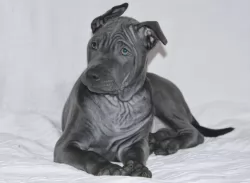 The breed is medium in size and muscular in body. They have a wedge shaped head, a short coat that is smooth and pricked, triangular ears. The ridge on his back is pronounced as the hair grows away from the rest of the coat from the hips to the withers. Puppies can be born with or without the ridge. They are extremely agile. With what is often called a sword tail being carried up, the Ridgeback has wrinkles on his forehead, a black tongue or the tongue has black marks, and almond shaped eyes.
The coat sheds minimally and is dense, while the eyes are usually brown – in blue dogs they can be amber. The color of the coat is fawn, red, black or blue with a black mask on the reds. There are 8 different ridge patterns: Feather, violin, saddleback, needle, arrow, bowling pin, lute, and leaf. The broader the ridge the better the dog is considered for show.
There are two epistatic genes that determine the ridge and its size. The more genes of this type the individual dog has, the broader the ridge will be. There must be a dominant gene for the ridge to appear at all.
 The Akita Inu is a large, noble, and powerful breed known for its dignified presence, strong loyalty, and quiet confidence. Originally bred for hunting and guarding, Akitas are naturally protective, courageous, and independent thinkers.
They form deep bonds with their family but are often aloof with strangers. Calm and clean by nature, they rarely bark without reason and carry themselves with elegance and strength.
Their double coat is thick and weather-resistant, requiring regular grooming, and they shed heavily, especially seasonally.
While intelligent, Akitas can be stubborn, so they thrive best with experienced owners who can offer consistent training and leadership. With proper care and socialization, the Akita Inu is a devoted, majestic companion.
 The Akita Inu is generally a strong and resilient breed, but it is prone to several genetic and breed-specific health issues.
Common concerns include hip and elbow dysplasia, progressive retinal atrophy (PRA), and hypothyroidism, all of which can affect mobility, vision, and metabolism.
The breed is also susceptible to autoimmune disorders like VKH-like syndrome and sebaceous adenitis, a skin condition causing hair loss and irritation. Additionally, Akitas may experience bloat (gastric torsion), a life-threatening emergency common in deep-chested dogs.
Regular veterinary care, proper diet, and responsible breeding practices are essential to help minimize health risks and ensure a long, healthy life.
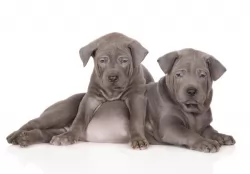 With such a mysterious origin, there are not a lot of documented episodes of genetic illness as the breed has been isolated in Thailand and natural selection has driven reproduction. There are only a few issues that they are genetically predisposed to. These include:
• Dermoid Sinus – this is a genetic skin condition known as pilonidal sinus as well. This is a defect in the neural tube and the sinus might be removed. If the sinus is wrapped around the spinal cord and cannot be removed it can be tied off.
• Bloat – can be terminal if not treated as soon as possible. Bloat is a distension of the stomach and intestines which can twist and tangle, killing the dog almost immediately without veterinary attention.
 Caring for an Akita Inu involves commitment, consistency, and understanding of the breed's unique needs. They require regular grooming, especially during seasonal shedding, with brushing at least 2–3 times a week and daily during coat blow periods.
Akitas thrive on routine exercise, such as long walks or playtime in a secure area, but they aren’t overly energetic. Training and socialization should start early, using positive reinforcement and calm, firm leadership to manage their independent and protective nature.
They are best suited to homes where they are the only pet or properly introduced to others. Akitas are clean, quiet, and typically bond closely with their family, so providing mental stimulation, affection, and clear boundaries is key.
Regular vet checkups, a balanced diet, and proper social interaction help keep your Akita healthy, happy, and well-adjusted.
 1. Feeding the Puppy - Don’t over feed the puppy as they are inclined to become obese. Feed a high quality protein rich puppy for medium breeds. Feed in 3-4 smaller meals per day. As he grows be aware of bloat possibilities.
2. Feeding the adult dog - The risk of bloat is even greater in the adult and so is the risk of obesity. Don’t feed large meals and don’t feed before or after strenuous exercise. Feed in 2 smaller meals per day.
4. Games and Exercises – Energetic and needs serious exercise. She loves to swim, retrieve, hike, hunt, and catch frisbees. Likes search and rescue and guard dog work.