 MyDogBreeds
 Akita Inu is originated from Japan but Tibetan Mastiff is originated from China. Akita Inu may grow 12 cm / 4 inches shorter than Tibetan Mastiff. Akita Inu may weigh 51 kg / 112 pounds lesser than Tibetan Mastiff. Both Akita Inu and Tibetan Mastiff has almost same life span. Akita Inu may have more litter size than Tibetan Mastiff. Both Akita Inu and Tibetan Mastiff requires Moderate maintenance.
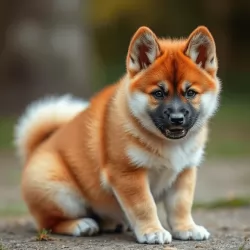 The Akita Inu, originating from Japan's snowy Akita Prefecture, has a long-standing legacy as a powerful hunting dog and loyal companion. Bred in the 1600s to track large game like boar and bear, the Akita quickly earned its place among Japanese nobility as a guardian and symbol of courage.
Its dignified nature and unwavering loyalty were immortalized in the true story of Hachikō, an Akita who waited nearly a decade for his deceased owner at a Tokyo train station. This devotion captured national and global admiration, leading to the breed’s recognition as a national treasure in Japan.
After World War II, American soldiers introduced Akitas to the West, giving rise to a larger, more robust variation known as the American Akita. Today, the Akita Inu remains a cherished breed worldwide for its strength, loyalty, and quiet dignity.
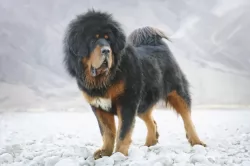 The Tibetan Mastiff is still considered to be a primitive breed originating in Tibet centuries ago. The breed was developed to guard property and livestock. They still do this as well as being a much loved family dog and a show dog as well. There is very little history that is documented for the breed prior to the 19th century.
Believed to be centuries old with ancestors who are mastiff like dogs that developed into two different types of Tibetan Mastiffs. These types are the Tsang-Khyi and the Do-Khyi. The Tsang Khyi were guardians for Tibetan monks, while the Tsang-Khyi guarded flocks for nomadic shepherds and in villages.
The first Tibetan Mastiff was imported in 1847 to England and presented as a gift to Wueen Victoria, from India’s Viceroy. By 1873 there was an English Kennel Club and the breed was labeled a large dog from Tibet and entered into the EKC Stud Book.
The next year the future King Edward VII, brought another two Tibetan Mastiffs to the United Kingdom to show in 1875. The first breed club began in 1931. The world wars interfered and no new dogs were imported to England until 1976. Two dogs were given to the President of the United States in the late 1950’sbut were not bred and it wasn’t until 1970 that any more were imported. The US Tibetan Mastiff Club was not founded until 1974 and they were first entered in a National Specialty show in 1979.
In 2007 the AKC recognized the breed as a working dog since 2007. It’s hard to find a purebred Tibetan Mastiff in Tibet anymore.
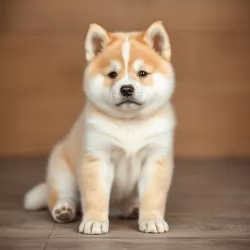 The Akita Inu is a large, powerful, and dignified dog breed known for its striking appearance, quiet nature, and unwavering loyalty.
Originating from Japan, it has a broad head, erect triangular ears, and a plush double coat that comes in red, white, brindle, or sesame, with characteristic urajiro (whitish markings). The Akita carries itself with pride and confidence, often aloof with strangers but deeply affectionate and protective toward its family.
Calm, intelligent, and strong-willed, the breed requires early socialization and firm, consistent training. Though not ideal for first-time owners, the Akita Inu is a loyal guardian and devoted companion for those who understand and respect its independent spirit.
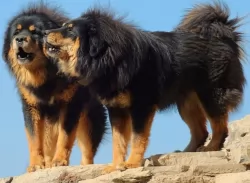
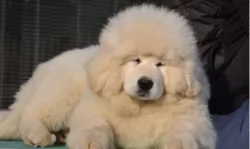 Both types of Mastiffs can be present in the same litter, so that both larger and smaller pups are present. Both types are well-muscled and structured. Today’s dogs being developed in China and the West are much larger than the previous ones. These dogs would be less useful to the nomads and cost too much to feed. Today’s dog is very large with a large head and a long double coat. This coat can be black, brown, gold, and blue, with or without tan markings. There are now a few white Tibetan Mastiffs being bread.
The breed standard for the Mastiff is different in the West than in the East. In the East the breed is broken into two categories – the Lion Head and the Tiger head.
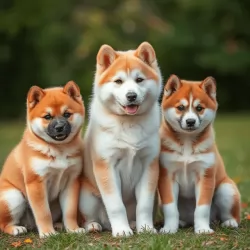 The Akita Inu is a large, noble, and powerful breed known for its dignified presence, strong loyalty, and quiet confidence. Originally bred for hunting and guarding, Akitas are naturally protective, courageous, and independent thinkers.
They form deep bonds with their family but are often aloof with strangers. Calm and clean by nature, they rarely bark without reason and carry themselves with elegance and strength.
Their double coat is thick and weather-resistant, requiring regular grooming, and they shed heavily, especially seasonally.
While intelligent, Akitas can be stubborn, so they thrive best with experienced owners who can offer consistent training and leadership. With proper care and socialization, the Akita Inu is a devoted, majestic companion.
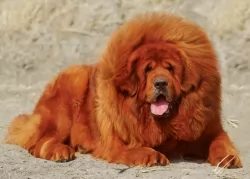 With extreme caution and only if raised together
Guard dog
Not good. No apartments and cant deal with heat
Highly intelligent very stubborn and independent
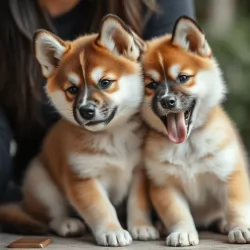 The Akita Inu is generally a strong and resilient breed, but it is prone to several genetic and breed-specific health issues.
Common concerns include hip and elbow dysplasia, progressive retinal atrophy (PRA), and hypothyroidism, all of which can affect mobility, vision, and metabolism.
The breed is also susceptible to autoimmune disorders like VKH-like syndrome and sebaceous adenitis, a skin condition causing hair loss and irritation. Additionally, Akitas may experience bloat (gastric torsion), a life-threatening emergency common in deep-chested dogs.
Regular veterinary care, proper diet, and responsible breeding practices are essential to help minimize health risks and ensure a long, healthy life.
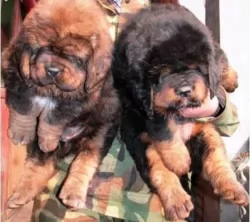 Though considered a primitive dog and isolated for several centuries, so they should not have as many genetic or inherited conditions as other dogs with more cross and in-breeding. These are the potential health issues they might develop:
Elbow and Hip dysplasia – can lead to lameness and arthritis.
OCD Osteochondrois Dissecans – this is also an orthopedic condition when the soft tissue growth is abnormal in the joints. It is painful and the joint is stiff. Don’t breed a dog that has this condition.
Panosteitis – Canine growing pains. Inflammation of the long bones in large dogs as they grow. They will eventually out grow it. Pain can be managed through medication.
Autoimmune Hypothyroidism – Hormone deficiency leading to flaky skin, weight gain and lack of energy. Can be managed through medication.
Canine Inherited Demyelinative Neuropathy – If your Tibetan Mastiff is going to have this condition, they will have it by six weeks of age. Weakness in the hind legs leading to paralysis.
Bloat – deadly if not treated immediately and related to dietary habits.
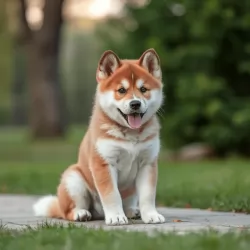 Caring for an Akita Inu involves commitment, consistency, and understanding of the breed's unique needs. They require regular grooming, especially during seasonal shedding, with brushing at least 2–3 times a week and daily during coat blow periods.
Akitas thrive on routine exercise, such as long walks or playtime in a secure area, but they aren’t overly energetic. Training and socialization should start early, using positive reinforcement and calm, firm leadership to manage their independent and protective nature.
They are best suited to homes where they are the only pet or properly introduced to others. Akitas are clean, quiet, and typically bond closely with their family, so providing mental stimulation, affection, and clear boundaries is key.
Regular vet checkups, a balanced diet, and proper social interaction help keep your Akita healthy, happy, and well-adjusted.
 Don’t feed the puppy too much protein as you want to prevent Panosteitis and growing too quickly. Do not overfeed. Feed 4-5 cups of high quality large breed puppy food in 3-4 meals day.
4 to 6 or more cups of a high-quality dog food daily, divided into two meals. To avoid bloat do not feed before or after vigorous exercise.
Calm and laid back when inside.
They need 20-30 minutes of vigorous exercise and play daily. They prefer to play with other large dogs.