 MyDogBreeds
 English Cocker Spaniel is originated from United Kingdom but Anatolian Shepherd is originated from Turkey. English Cocker Spaniel may grow 33 cm / 12 inches shorter than Anatolian Shepherd. English Cocker Spaniel may weigh 52 kg / 114 pounds lesser than Anatolian Shepherd. English Cocker Spaniel may live 4 years more than Anatolian Shepherd. English Cocker Spaniel may have less litter size than Anatolian Shepherd. Both English Cocker Spaniel and Anatolian Shepherd requires Moderate maintenance.
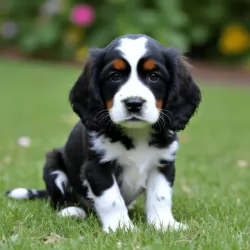 The English Cocker Spaniel has a rich history that dates back to at least the 14th century in England. Originally bred as a bird hunting dog, the breed's name "Cocker" comes from their specialization in hunting the woodcock bird.
Early spaniels, including the Cocker, were used as gun dogs to flush out and retrieve game. Over time, they were developed into a smaller, more agile hunter, distinct from other spaniels like the English Springer Spaniel.
By the 19th century, breeders in England focused on enhancing the breed's stamina, agility, and hunting instincts, while also fostering a gentle temperament. The English Cocker Spaniel became recognized as a separate breed from the American Cocker Spaniel in the early 20th century. Though originally bred for fieldwork, the breed’s affectionate nature and beautiful, silky coat led to its growing popularity as a companion dog.
Today, the English Cocker Spaniel is cherished both as a working dog and a family pet, known for its friendly, playful, and loyal personality.
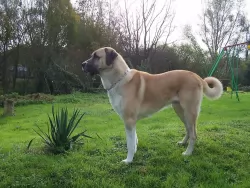 Up in the mountains of central Turkey, in the region called Anatolia, a large, strong and rugged dog breed was born and is honored today on a postal stamp. This was the Anatolian Shepard – keeper of the flocks with strength, agility and speed. The Anatolian Shepard is able to pursue and catch any predator that threatens his livestock and they are his livestock. His keen sense of hearing and his excellent sight only add to his prowess as a protector.
The Anatolian is a giant dog, classified as a shepherd by the UKC – Kennel Club of the United Kingdom, while he is classified as a mountain dog or molossus by the Federation Cynologique International. When the breed was created, they were a gift to the farmers in the mountains to guard the livestock from cheetahs. This helped the cheetahs to stop attacking the livestock and prevented the farmers from wiping out the cheetah population by shooting them.
The Anatolian Shepard does have some controversy in his lineage as in some areas he is considered to be either the most closely related or the same breed as the Turkish Kangal Dog. The Anatolian is considered to have a blood line that goes back at least 6000 years.
They are direct descendants of mastiffs and mountain dogs. Yet they have the long legs, agility and aloofness of the sight hounds that are also in their bloodline. Originally called the “Coban Kopegi” or shepherd dog by their Turkish farmers, they were eventually separated into the breed called the Anatolian Shepard. When the breed was first brought into the United Kingdom the line of the Kangal dog was first. Then they were crossed with dogs called Anatolian Shepherds. Many breeders believe that the Anatolian Shepherd is a category that includes the Kangal, Coban Kopegi, Aksaray Malaklisi and the Akbash dog.
So as of January 2012, the Australian National Kennel Club no longer considers the Anatolian Shepard and the Kangal as separate breeds. The UK Kennel Club now recognizes the Kangal and the Anatolian as the same breed. For others they are still clearly separate and distinct breeds with the ASD being their own breed. In fact, the government of Turkey recognizes them as separate breeds and the Kangal Dog as the National Dog of Turkey.
The Anatolian Shepard was already in the United States in when the Anatolian Shepard Club of America came into being because of a young naval officer who had met the dogs in Turkey. They were allowed into the Miscellaneous Class of the American Kennel Club in 1996 after this naval officer had been breeding them in California for years. By 1998 they had moved to the Working Group where they reside today.
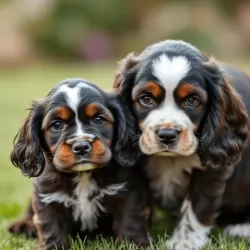 The English Cocker Spaniel is a medium-sized, elegant, and compact dog known for its beautiful coat and gentle nature. With a graceful, athletic build, it has a slightly wavy, silky coat that is longer on the ears, legs, chest, and belly, giving the dog a refined appearance.
Their large, expressive eyes and long, floppy ears add to their charming look. Typically, they stand between 15 to 17 inches (38 to 43 cm) tall and weigh between 26 to 34 pounds (12 to 15.5 kg), with males being slightly larger than females.
This breed is known for its friendly, affectionate nature, making it a beloved family companion. The English Cocker Spaniel is also energetic, requiring regular exercise and mental stimulation, and is well-suited for active families.
Originally bred as a bird hunting dog, they have a strong instinct for retrieving and a keen sense of smell. Despite their hunting background, they are also social and adaptable, getting along well with other pets and children.
Their eager-to-please attitude makes them trainable, though they do require consistency. Overall, the English Cocker Spaniel is a loving, playful, and loyal dog that thrives in a family environment.
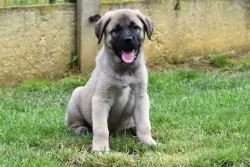 Coming from the mountains and guarding their flock against cheetahs has led the Anatolian Shepherd to be a muscular dog with broad heads and thick necks and sturdy, strong bodies. Their ears drop and are triangular in shape, while their muzzles are rectangular with tight lips. Their double coat is thick and warm fitting for life in the mountain regions. They do blow their coats with excessive shedding twice a year. The fur on their throat is extra thick for their protection.
Muscular, thin, their rib cage is large while their stomach is small. Their tails can be intact or docked. The Anatolian Shepherd is much like the Kuvasz or the Great Pyrenees in their size, shape and responsibilities. He is more agile and slenderer than those two dogs. Their bite is scissors or level, while their eyes are almonds, set apart in their heads.
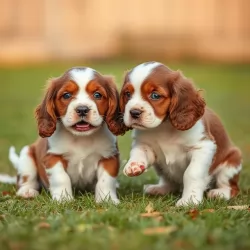 The English Cocker Spaniel is a medium-sized, graceful breed known for its friendly and affectionate nature. Standing between 15 to 17 inches tall and weighing between 26 to 34 pounds, they have a silky, slightly wavy coat with longer feathering on their ears, chest, legs, and belly, giving them an elegant appearance.
Their large, expressive eyes and long, floppy ears further enhance their charm. These dogs are gentle, playful, and social, forming strong bonds with their families and getting along well with children and other pets. Energetic and active, they enjoy regular exercise like walks, playtime, and sometimes swimming.
Smart and eager to please, they are relatively easy to train, though they may show a bit of independence at times. Loyal and loving, they seek companionship and attention from their owners. While generally healthy, English Cocker Spaniels can be prone to certain health issues like ear infections, hip dysplasia, and progressive retinal atrophy. Overall, they make excellent companions for active families or individuals due to their affectionate, energetic, and loyal temperament.
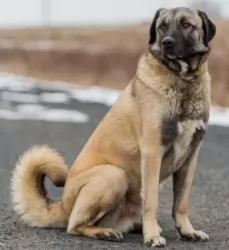 This breed is independent, stubborn and strong. They are great protectors of their flocks and people, but they are incredibly challenging to own. They are intelligent, loyal dogs who learn quickly when they want to. They key being “when they want to”. The Anatolian Shepard was bred to be nomadic, following the herd and hunting for the herd’s predators. Microchip your ASD because they will roam if they get the chance.
If you want your Anatolian to get along with other dogs, cats or other animals, socialize them together when the ASD is a puppy. If the animal or child is part of his flock the ASD will protect them with his life. Though he is loving, quiet and calm, the Anatolian is just as demanding and dominating. Never let your Anatolian Shepherd believe that he is above the humans in the pack or you will have a major problem controlling him. He will be especially leery of strangers and will not accept your word that the stranger is part of the family. However, if she understands that humans are above her and you are the leader, she will accept any person you accept.
Even if they accept strangers, they will not allow anyone other than the family into the home when the owner is not there. This is a proud, proud dog that can be stubborn, demanding and bossy. Being such a large dog, you need to be in control. This is not a dog for everyone. Be firm, confident, be loving and consistent when training an Anatolian Shepherd. Do not offer your ASD any additional training in protection. He doesn’t need it and it could be detrimental. They will protect children, but they do not respect them. Therefore, supervise their interactions with children.
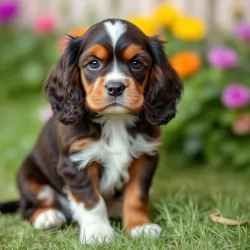 The English Cocker Spaniel is generally healthy, but like all breeds, it can be prone to certain health issues:
Ear Infections: Their long ears can trap moisture, leading to infections. Regular cleaning is essential.
Hip Dysplasia: A hereditary condition where the hip joint doesn’t develop properly, leading to arthritis and pain.
Progressive Retinal Atrophy (PRA): A genetic condition causing progressive vision loss.
The English Cocker Spaniel is generally healthy, but like all breeds, it can be prone to certain health issues:
Ear Infections: Their long ears can trap moisture, leading to infections. Regular cleaning is essential.
Hip Dysplasia: A hereditary condition where the hip joint doesn’t develop properly, leading to arthritis and pain.
Progressive Retinal Atrophy (PRA): A genetic condition causing progressive vision loss.
Cataracts: Cloudiness in the lens of the eye, common in older dogs. Autoimmune Disorders: Conditions like immune-mediated hemolytic anemia. Heart Issues: Mitral valve disease in older dogs. Obesity: Prone to weight gain if not properly exercised or fed. Regular vet visits, proper diet, and exercise help manage these conditions.
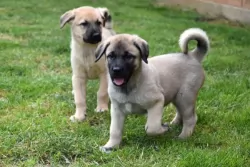 This is a healthy breed without a lot of the issues that plaque other giant breeds. In one recent survey the leading cause of death among the ASD is cancer and old age. Skin issues are more prevalent than dysplasia though it does occur. They have a sensitivity to anesthesia and their immune system does take longer to mature so all young ASD should be discussed with vets before any vaccinations are given. Bloat is not as common among this breed either. They should be screened for eyelid inversion or entropion. They are susceptible to Demodectic Mange or demodicosis which is caused by a mite.
 Caring for an English Cocker Spaniel involves meeting their physical, emotional, and grooming needs. They are an active breed, so it’s important to provide daily exercise—a walk or play session for about 30 to 60 minutes will keep them happy and healthy. Mental stimulation is equally important, so be sure to provide toys, puzzles, and training sessions to keep their mind engaged.
Grooming is essential for this breed, as their long, silky coat needs to be brushed 2–3 times a week to prevent matting, especially around the ears and legs. Regular ear cleaning is also important to avoid infections, and they should be bathed every 4–6 weeks using a gentle dog shampoo.Nail trimming every 3–4 weeks and teeth brushing a few times a week will help maintain their overall health.
Their diet should consist of high-quality food tailored to their age, size, and activity level, with fresh water always available. Regular vet visits for vaccinations and health check-ups are crucial, and you should be vigilant for any signs of illness like ear infections or limping. Additionally, early socialization and positive reinforcement training will ensure they grow into well-rounded, obedient companions. By providing consistent care and attention to their physical and emotional needs, your English Cocker Spaniel will thrive as a loyal and loving member of the family.
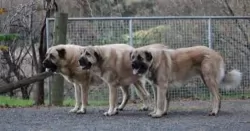 Feed your Anatolian Shepherd a measured amount twice a day and keep him from becoming overweight. It is recommended that you feed her from 4-6 cups of dry, high quality food for the entire day. The more active your dog is, the more she will need to eat. Using treats in training is appropriate but don’t give her too many as these will add to the waist line.
As mentioned previously this is a very healthy breed especially when compared with other giant and/or mountain dog breeds. However, they are susceptible but not prone to:
Should be tested for this condition in which the bones don’t fit well into the joint. Elbow Dysplasia – the same as above except it is the arm bone does not fit well into the joint. Both these conditions can cause arthritis or lameness.
Caused by mites and a weakened immune system it can result in patches of scaly, red skin and hair loss. A generalized version can cover the entire body and can be fatal.
This can result if obesity, hair loss, epilepsy, lethargy and other skin condition. It is easily treatable.
Mentioned previously it causes the eyelid to roll inward and requires surgery.
Your Anatolian Shepherd does not need a lot of exercise despite his size. A large yard with a good fence will do for him as long as he gets a walk daily. If they can run free in a large yard they will be happy. If not, you will need to take them to a dog park, preferable when other dogs are NOT present. You can’t assume he will be ok with other dogs. Never walk them off leash as they love to wander. They need a job to do.