 MyDogBreeds
 English Cocker Spaniel is originated from United Kingdom but Formosan Mountain Dog is originated from Taiwan. English Cocker Spaniel may grow 9 cm / 3 inches shorter than Formosan Mountain Dog. Both English Cocker Spaniel and Formosan Mountain Dog are having almost same weight. English Cocker Spaniel may live 3 years more than Formosan Mountain Dog. English Cocker Spaniel may have less litter size than Formosan Mountain Dog. English Cocker Spaniel requires Moderate maintenance. But Formosan Mountain Dog requires Low maintenance
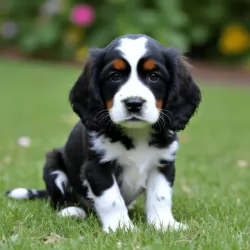 The English Cocker Spaniel has a rich history that dates back to at least the 14th century in England. Originally bred as a bird hunting dog, the breed's name "Cocker" comes from their specialization in hunting the woodcock bird.
Early spaniels, including the Cocker, were used as gun dogs to flush out and retrieve game. Over time, they were developed into a smaller, more agile hunter, distinct from other spaniels like the English Springer Spaniel.
By the 19th century, breeders in England focused on enhancing the breed's stamina, agility, and hunting instincts, while also fostering a gentle temperament. The English Cocker Spaniel became recognized as a separate breed from the American Cocker Spaniel in the early 20th century. Though originally bred for fieldwork, the breed’s affectionate nature and beautiful, silky coat led to its growing popularity as a companion dog.
Today, the English Cocker Spaniel is cherished both as a working dog and a family pet, known for its friendly, playful, and loyal personality.
 The Formosan Mountain Dog is most often known as the Taiwan dog and it is a landrace indigenous to Taiwan. It is a small to medium breed of dog that was semi-wild at one time. The colonialization of Taiwan and other foreigners help to fully domesticate the Formosan Mountain Dog. They were found to be very trainable and uniquely suited for the terrain around Taiwan. The dogs were easy to train and now serve as hunting dogs, stunt dogs, guard dogs, rescue dogs, therapy dog and personal companions. There are three types of Formosans two smaller types and one medium. However, the original pure Formosan Mountain Dog is getting close to extinction again because the government and people have provided no protection or conservation efforts for them. These dogs have been living in Taiwan in the mountains and were called Formosan Mountain Dogs when Taiwan was known as Formosa. They come from a line of Southeast Asian hunting/gun dogs and they are considered ‘rare’ now.
According to historian Dr. Sung Yung-yi, the breed went through 4 major catastrophes that affected their development. The first of these was the Dutch Establishment in 1624. The Dutch colonized Taiwan and imported both people and dogs. The dog they brought in was called the Flying Dog and was either Greyhound or Pointer. Eventually, the Flying Dog bred with the Formosan Mountain Dog. This along with the slaughter of dogs belonging to the indigenous people by the government, starting the decline of the original Taiwan dog.
In 1895, it was the Japanese acquiring Taiwan following the First Sino-Japanese War. The Japanese bred the Formosan Mountain Dog extensively with the own Japanese dogs. This further diluted the line and authenticity of Taiwan dogs.
This was followed by World War II when German Shepherds traveled with the US Army and they cross-bred with the Formosan. This was the third major dilution of the Formosan Mountain dog line. At the same time, the Japanese government considered the Formosan Mountain Dog a sanitation threat and barbaric. They massacred them in large numbers in the name of sanitation.
The fourth and final dilution took place during the Kuomintang Era beginning in 1945 with the arrival of the Chinese Nationalist Party. They brought with them the culture of eating dogs. During this time the economy of Taiwan took off and business people began to import their own foreign dogs that were high priced purebreds. These dogs bred with the Formosan and other Formosans were just abandoned to die. The ranks of the breed became very thin indeed. Today’s pure Formosan is highly valuable and extremely rare. Because of all the crossbreeding over the centuries, today’s purebred Formosan Mountain Dog is very different from the Taiwan dog of old. Today’s Formosan is loved all over the island and is a companion and watchdog.
Today there is an effort by Taiwanese ecologists to put together a research project that would study and preserve the Formosan in its indigenous form. Dr. Yung-yi led this effort. He located only 46 dogs with a pure pedigree, 21 females and 25 males. They let the Food and Agricultural of the United Nations know and the dogs were labeled close to extinction. Reproducing from the indigenous dogs to purify and increase the breed was the goal. The government was not very supportive.
Today the Royal Air Force is looking at the Formosan Dog to use for military security. They are currently only using German Shepherds and needed another choice. It was decided that the Formosan Mountain Dog had a better sense of smell, dexterity, alertness, and hearing as well as better padding on their paws.
Through these efforts and those of foundation stock breeders and owners, the Formosan Mountain Dog in its indigenous form was brought back. Some call this dog a purebred Formosan while others consider it a new type. Standards were presented to the FCI for registrations as a purebred. This debate continues today
 The English Cocker Spaniel is a medium-sized, elegant, and compact dog known for its beautiful coat and gentle nature. With a graceful, athletic build, it has a slightly wavy, silky coat that is longer on the ears, legs, chest, and belly, giving the dog a refined appearance.
Their large, expressive eyes and long, floppy ears add to their charming look. Typically, they stand between 15 to 17 inches (38 to 43 cm) tall and weigh between 26 to 34 pounds (12 to 15.5 kg), with males being slightly larger than females.
This breed is known for its friendly, affectionate nature, making it a beloved family companion. The English Cocker Spaniel is also energetic, requiring regular exercise and mental stimulation, and is well-suited for active families.
Originally bred as a bird hunting dog, they have a strong instinct for retrieving and a keen sense of smell. Despite their hunting background, they are also social and adaptable, getting along well with other pets and children.
Their eager-to-please attitude makes them trainable, though they do require consistency. Overall, the English Cocker Spaniel is a loving, playful, and loyal dog that thrives in a family environment.
 The Formosan Mountain Dog that was seen during Dr. Sung Yung-yi’s research is a medium-sized dog, athletic and fit. It has a deep chest and a slim waist. The ears are half-covered, the nose is black and there is a coating of black on the tongue. This black tongue is the most distinguishing attribute of the Formosan Mountain Dog. The breed has a strong jaw, the skull that is just slightly longer than the muzzle, which is flat and tapered, triangle face and almond eyes. They have a thick coat and upright, curved tail.
The dogs are known to be extremely agile with an ability to hop that is rare in dogs but helps when hunting animals like rats. The Formosan Mountain Dogs hunted in packs with each dog attacking the prey with one bite until it was too exhausted to fight them off any longer.
 The English Cocker Spaniel is a medium-sized, graceful breed known for its friendly and affectionate nature. Standing between 15 to 17 inches tall and weighing between 26 to 34 pounds, they have a silky, slightly wavy coat with longer feathering on their ears, chest, legs, and belly, giving them an elegant appearance.
Their large, expressive eyes and long, floppy ears further enhance their charm. These dogs are gentle, playful, and social, forming strong bonds with their families and getting along well with children and other pets. Energetic and active, they enjoy regular exercise like walks, playtime, and sometimes swimming.
Smart and eager to please, they are relatively easy to train, though they may show a bit of independence at times. Loyal and loving, they seek companionship and attention from their owners. While generally healthy, English Cocker Spaniels can be prone to certain health issues like ear infections, hip dysplasia, and progressive retinal atrophy. Overall, they make excellent companions for active families or individuals due to their affectionate, energetic, and loyal temperament.
 The Formosan Mountain Dog is very child-friendly. He is affectionate and loyal to his family and protective of his children.
He is intelligent and has exceptional hunting skills. He is a good guard dog due to his alertness, but they can be fear-aggressive.
He is very adaptable to living in any location as long as there is somewhere for him to get adequate exercise. He is friendly to people and animals.
He is intelligent and learns quickly.
 The English Cocker Spaniel is generally healthy, but like all breeds, it can be prone to certain health issues:
Ear Infections: Their long ears can trap moisture, leading to infections. Regular cleaning is essential.
Hip Dysplasia: A hereditary condition where the hip joint doesn’t develop properly, leading to arthritis and pain.
Progressive Retinal Atrophy (PRA): A genetic condition causing progressive vision loss.
The English Cocker Spaniel is generally healthy, but like all breeds, it can be prone to certain health issues:
Ear Infections: Their long ears can trap moisture, leading to infections. Regular cleaning is essential.
Hip Dysplasia: A hereditary condition where the hip joint doesn’t develop properly, leading to arthritis and pain.
Progressive Retinal Atrophy (PRA): A genetic condition causing progressive vision loss.
Cataracts: Cloudiness in the lens of the eye, common in older dogs. Autoimmune Disorders: Conditions like immune-mediated hemolytic anemia. Heart Issues: Mitral valve disease in older dogs. Obesity: Prone to weight gain if not properly exercised or fed. Regular vet visits, proper diet, and exercise help manage these conditions.
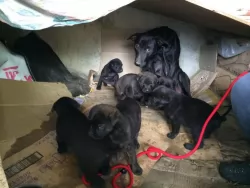 Because there have not been any studies done on the health of the Formosan Mountain Dog, there is not a lot known about any inherent or genetic health issues. It would seem that some bloodlines are healthy, and others have some serious issues. Especially because there are no studies, it is important for breeders to test for eye issues and skeletal issues through the Orthopedic Foundation for Animals and the Canine Eye Registration Foundation.
 Caring for an English Cocker Spaniel involves meeting their physical, emotional, and grooming needs. They are an active breed, so it’s important to provide daily exercise—a walk or play session for about 30 to 60 minutes will keep them happy and healthy. Mental stimulation is equally important, so be sure to provide toys, puzzles, and training sessions to keep their mind engaged.
Grooming is essential for this breed, as their long, silky coat needs to be brushed 2–3 times a week to prevent matting, especially around the ears and legs. Regular ear cleaning is also important to avoid infections, and they should be bathed every 4–6 weeks using a gentle dog shampoo.Nail trimming every 3–4 weeks and teeth brushing a few times a week will help maintain their overall health.
Their diet should consist of high-quality food tailored to their age, size, and activity level, with fresh water always available. Regular vet visits for vaccinations and health check-ups are crucial, and you should be vigilant for any signs of illness like ear infections or limping. Additionally, early socialization and positive reinforcement training will ensure they grow into well-rounded, obedient companions. By providing consistent care and attention to their physical and emotional needs, your English Cocker Spaniel will thrive as a loyal and loving member of the family.
 Feed a high-quality puppy food for medium size dogs at the rate of a ¼ cup twice a day until 8 months then ½ to ¾ twice a day until 12-16 months.
1 to 2 cups of high-quality dry food split into 2 meals per day.
Generally healthy breed. Keep clean and watch for mites.
This is an energetic breed and he needs a lot of exercise. He must have at least an hour of exercise daily but the more, the better. He loves swimming and jogging with his people. He’s athletic, smart and agile. He does well with field trials, tracking, agility, and obedience.