 MyDogBreeds
 English Cocker Spaniel is originated from United Kingdom but Bakharwal Dog is originated from India. English Cocker Spaniel may grow 33 cm / 12 inches shorter than Bakharwal Dog. English Cocker Spaniel may weigh 20 kg / 44 pounds lesser than Bakharwal Dog. English Cocker Spaniel may live 3 years more than Bakharwal Dog. English Cocker Spaniel may have more litter size than Bakharwal Dog. Both English Cocker Spaniel and Bakharwal Dog requires Moderate maintenance.
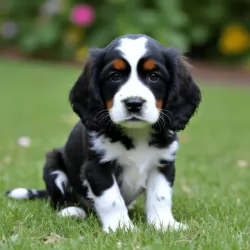 The English Cocker Spaniel has a rich history that dates back to at least the 14th century in England. Originally bred as a bird hunting dog, the breed's name "Cocker" comes from their specialization in hunting the woodcock bird.
Early spaniels, including the Cocker, were used as gun dogs to flush out and retrieve game. Over time, they were developed into a smaller, more agile hunter, distinct from other spaniels like the English Springer Spaniel.
By the 19th century, breeders in England focused on enhancing the breed's stamina, agility, and hunting instincts, while also fostering a gentle temperament. The English Cocker Spaniel became recognized as a separate breed from the American Cocker Spaniel in the early 20th century. Though originally bred for fieldwork, the breed’s affectionate nature and beautiful, silky coat led to its growing popularity as a companion dog.
Today, the English Cocker Spaniel is cherished both as a working dog and a family pet, known for its friendly, playful, and loyal personality.
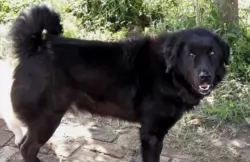 The precise origin of the large Bakharwal Dog is undocumented. It is believed the breed originated from the Tibetan Mastiff, the Molosser, the Tuvan Sheepdog and others. It is an ancient working breed where it has been bred for many centuries by the Bakarwal and Guijar tribes. The dog is thought to be the rarest of all the ancient herding breeds.
The Bakharwal is an indigenous breed of Himalayan origin, being bred exclusively by those wanting a strong, brave dog to protect their livestock. Today Jammu and Kashmir in North India is predominantly the stronghold of this breed.
The Bakharwal dog today as we know it is a muscular dog, tall and powerful and with a thick, fluffy coat. He has remained a livestock guardian or herding dog for the people occupying the Pir Panjal mountain ranges for centuries.
Unfortunately the breed’s rarity as well as his lack of recognition has put this attractive dog in danger of becoming extinct, and in fact steps have been taken to have the dog listed as an endangered species. The females only produce small litters of between 1 to 3 puppies. There are currently no breeding clubs for the Bakharwal Dog and the other sad aspect is that the breed isn’t recognized by any of the major kennel clubs.
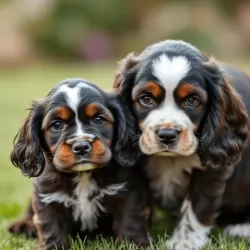 The English Cocker Spaniel is a medium-sized, elegant, and compact dog known for its beautiful coat and gentle nature. With a graceful, athletic build, it has a slightly wavy, silky coat that is longer on the ears, legs, chest, and belly, giving the dog a refined appearance.
Their large, expressive eyes and long, floppy ears add to their charming look. Typically, they stand between 15 to 17 inches (38 to 43 cm) tall and weigh between 26 to 34 pounds (12 to 15.5 kg), with males being slightly larger than females.
This breed is known for its friendly, affectionate nature, making it a beloved family companion. The English Cocker Spaniel is also energetic, requiring regular exercise and mental stimulation, and is well-suited for active families.
Originally bred as a bird hunting dog, they have a strong instinct for retrieving and a keen sense of smell. Despite their hunting background, they are also social and adaptable, getting along well with other pets and children.
Their eager-to-please attitude makes them trainable, though they do require consistency. Overall, the English Cocker Spaniel is a loving, playful, and loyal dog that thrives in a family environment.
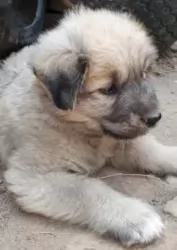 This dog is large, heavily boned, muscular and with a deep chest. They’ve got large heads and a thick, muscular neck. The nose is black, the almond-shaped brown or amber eyes gentle while the ears are medium sized and drooping. The tail is long and bushy and mostly curls over the back of the dog. Their thick coats are available in a number of colours such as cream, tan, white, black and piebald.
The Kashmiri Sheepdog has long legs and although a number of sizes exist, the regular height of the dog is roughly 61 to 76 cm.
Known also by several other names such as the Kashmir Mastiff, Kashmir Sheepdog or Bakarwal Mastiff, this dog is well known for his ferociousness, and guarding his human family is taken seriously. His courage knows know limits and he is both protector and friend, a loyal and devoted companion.
He forms a strong bond with his human family and is good natured with well behaved children who have been taught to treat animals with kindness. Caution should always be practised with small children as this is a large dog. He is playful, social and adaptable with his human family but won’t take kindly to other pets. Socialization and training are important for this strong-willed dog.
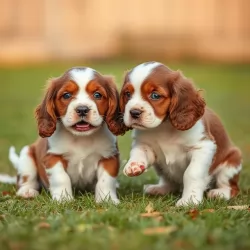 The English Cocker Spaniel is a medium-sized, graceful breed known for its friendly and affectionate nature. Standing between 15 to 17 inches tall and weighing between 26 to 34 pounds, they have a silky, slightly wavy coat with longer feathering on their ears, chest, legs, and belly, giving them an elegant appearance.
Their large, expressive eyes and long, floppy ears further enhance their charm. These dogs are gentle, playful, and social, forming strong bonds with their families and getting along well with children and other pets. Energetic and active, they enjoy regular exercise like walks, playtime, and sometimes swimming.
Smart and eager to please, they are relatively easy to train, though they may show a bit of independence at times. Loyal and loving, they seek companionship and attention from their owners. While generally healthy, English Cocker Spaniels can be prone to certain health issues like ear infections, hip dysplasia, and progressive retinal atrophy. Overall, they make excellent companions for active families or individuals due to their affectionate, energetic, and loyal temperament.
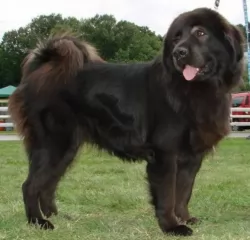 Bred exclusively as a livestock guardian dog, the large Bakharwal is a steadfast, loving, brave guardian. He is good with people of all ages and will protect his human family with his life.
To this day the breed has a strong herding and guarding instinct, and because he is a large breed with herding instincts, he won’t be suited to apartment living. He needs a good sized garden to run in and will require exercising to stave off frustration and boredom.
Look after your Bakharwal well, especially as there aren’t many of them left. Loved, nourished and cared for, he’s just waiting to make you part of his ‘flock’ and in exchange he’ll be your loyal and devoted friend who will protect you with his life.
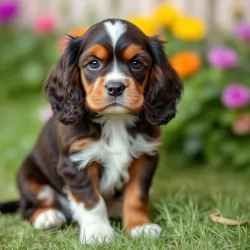 The English Cocker Spaniel is generally healthy, but like all breeds, it can be prone to certain health issues:
Ear Infections: Their long ears can trap moisture, leading to infections. Regular cleaning is essential.
Hip Dysplasia: A hereditary condition where the hip joint doesn’t develop properly, leading to arthritis and pain.
Progressive Retinal Atrophy (PRA): A genetic condition causing progressive vision loss.
The English Cocker Spaniel is generally healthy, but like all breeds, it can be prone to certain health issues:
Ear Infections: Their long ears can trap moisture, leading to infections. Regular cleaning is essential.
Hip Dysplasia: A hereditary condition where the hip joint doesn’t develop properly, leading to arthritis and pain.
Progressive Retinal Atrophy (PRA): A genetic condition causing progressive vision loss.
Cataracts: Cloudiness in the lens of the eye, common in older dogs. Autoimmune Disorders: Conditions like immune-mediated hemolytic anemia. Heart Issues: Mitral valve disease in older dogs. Obesity: Prone to weight gain if not properly exercised or fed. Regular vet visits, proper diet, and exercise help manage these conditions.
 Your Bakharwal puppy will need to see the vet for a complete check up and to receive his puppy vaccinations. These innoculations immunize your puppy from hepatitis, distemper, leptospirosis, parvovirus and parainfluenza.
As he grows older, you’ll need to keep his teeth free from dental plaque by using a special dog toothbrush and toothpaste.
Ticks and fleas – speak to your vet about the most effective way to treat these parasites. heartworm – this is important if your dog is exposed to lots of mosquitoes. Heartworm infestations are potentially deadly. spaying and neutering is important at 6 months of age to protect your pet from unwanted puppies and disease.
 Caring for an English Cocker Spaniel involves meeting their physical, emotional, and grooming needs. They are an active breed, so it’s important to provide daily exercise—a walk or play session for about 30 to 60 minutes will keep them happy and healthy. Mental stimulation is equally important, so be sure to provide toys, puzzles, and training sessions to keep their mind engaged.
Grooming is essential for this breed, as their long, silky coat needs to be brushed 2–3 times a week to prevent matting, especially around the ears and legs. Regular ear cleaning is also important to avoid infections, and they should be bathed every 4–6 weeks using a gentle dog shampoo.Nail trimming every 3–4 weeks and teeth brushing a few times a week will help maintain their overall health.
Their diet should consist of high-quality food tailored to their age, size, and activity level, with fresh water always available. Regular vet visits for vaccinations and health check-ups are crucial, and you should be vigilant for any signs of illness like ear infections or limping. Additionally, early socialization and positive reinforcement training will ensure they grow into well-rounded, obedient companions. By providing consistent care and attention to their physical and emotional needs, your English Cocker Spaniel will thrive as a loyal and loving member of the family.
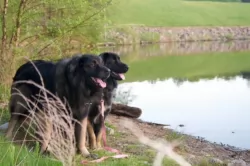 The coat of the Bakharwal Dog is thick, flat and of medium length and he is a relatively low maintenance dog. Brushing the dog’s coat twice a week will be adequate to remove loose hairs, although professional grooming can be a good thing as the density of the coat makes trimming the coat a necessity. The eyes, ears, teeth, and nails of the Bakharwal Dog should also be examined regularly just to ensure no health problems develop.
Bakharwal puppies from 8 to 12 weeks will require meals 4x a day. From 6 months on he can start having 2 meals a day. Top-quality dry- or wet dogfoods will guarantees balanced nutrition, and speaking to your veterinarian will give you an idea of what is best for your canine friend. To ensure your dog doesn’t suffer with a dry, scratchy skin, remember to include raw- and cook meat into his food. Protein is an essential ingredient for the health of your dog. Always ensure clean, cool water is available and wash food- and water bowls regularly.
Make sure your Bakharwal Dog gets plenty of exercise every day to maintain good health. Take him for walks to give him new sounds, smells and sights.