 MyDogBreeds
 English Cocker Spaniel is originated from United Kingdom but East European Shepherd is originated from Russia. English Cocker Spaniel may grow 33 cm / 12 inches shorter than East European Shepherd. English Cocker Spaniel may weigh 34 kg / 74 pounds lesser than East European Shepherd. English Cocker Spaniel may live 3 years more than East European Shepherd. English Cocker Spaniel may have less litter size than East European Shepherd. Both English Cocker Spaniel and East European Shepherd requires Moderate maintenance.
 The English Cocker Spaniel has a rich history that dates back to at least the 14th century in England. Originally bred as a bird hunting dog, the breed's name "Cocker" comes from their specialization in hunting the woodcock bird.
Early spaniels, including the Cocker, were used as gun dogs to flush out and retrieve game. Over time, they were developed into a smaller, more agile hunter, distinct from other spaniels like the English Springer Spaniel.
By the 19th century, breeders in England focused on enhancing the breed's stamina, agility, and hunting instincts, while also fostering a gentle temperament. The English Cocker Spaniel became recognized as a separate breed from the American Cocker Spaniel in the early 20th century. Though originally bred for fieldwork, the breed’s affectionate nature and beautiful, silky coat led to its growing popularity as a companion dog.
Today, the English Cocker Spaniel is cherished both as a working dog and a family pet, known for its friendly, playful, and loyal personality.
 The East European Shepherd is a dog which hails from Russia. The dog was developed in the 1930-1950s as there was a need for a bigger, more robust, weather-resistant type of dog who would perform all kinds of guard duties in the Soviet Union.
This is a rare dog breed, created by mixing Russian breeds such as the Laika, Central Asian Shepherd and Caucasian Shepherd to create a strong working dog that could cope well with the sub-freezing conditions.
The standard breed type was established in 1964. The only major kennel club to grant full recognition to the East-European Shepherd is the Russian Kennel Club. In the United States, the dog is recognized by a number of rare breed registries.
 The English Cocker Spaniel is a medium-sized, elegant, and compact dog known for its beautiful coat and gentle nature. With a graceful, athletic build, it has a slightly wavy, silky coat that is longer on the ears, legs, chest, and belly, giving the dog a refined appearance.
Their large, expressive eyes and long, floppy ears add to their charming look. Typically, they stand between 15 to 17 inches (38 to 43 cm) tall and weigh between 26 to 34 pounds (12 to 15.5 kg), with males being slightly larger than females.
This breed is known for its friendly, affectionate nature, making it a beloved family companion. The English Cocker Spaniel is also energetic, requiring regular exercise and mental stimulation, and is well-suited for active families.
Originally bred as a bird hunting dog, they have a strong instinct for retrieving and a keen sense of smell. Despite their hunting background, they are also social and adaptable, getting along well with other pets and children.
Their eager-to-please attitude makes them trainable, though they do require consistency. Overall, the English Cocker Spaniel is a loving, playful, and loyal dog that thrives in a family environment.
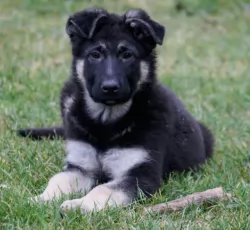 The East European Shepherd is larger than a German Shepherd. He is described as a large dog with males and females standing roughly at 66-76 centimeters at the withers and weighing anything between 30–50kg.
The coat with undercoat is medium in length with the standard color being black-and-tan or black-and-red. The dog is solid colored or is light fawn or tan in color with black saddle.
The face of the dog is black and he looks a lot like a wolf in appearance. The ears of the East European Shepherd are medium sized and always erect.The tail is long and hangs low.
The East European Shepherd is an intelligent and confident dog and can be aggressive when aggravated. He is a working dog and to get along with other pets in the home as well as children, the East European Shepherd will need to be trained and socialized, becoming obedient and loyal with his owner.
He is an intelligent dog and training him poses no problem. Loyal and devoted, this dog mostly becomes particularly attached to one member of the family.
There are a number of dog experts who don’t recommend the dog as a family pet as it is a dog reluctant to form a close bond with a child, being irritated by them, especially ill disciplined children.
It is a strong-willed dog too and shouldn’t be the first dog choice for a novice dog owner. They make excellent guard dogs and take their role as protector of the family seriously.
 The English Cocker Spaniel is a medium-sized, graceful breed known for its friendly and affectionate nature. Standing between 15 to 17 inches tall and weighing between 26 to 34 pounds, they have a silky, slightly wavy coat with longer feathering on their ears, chest, legs, and belly, giving them an elegant appearance.
Their large, expressive eyes and long, floppy ears further enhance their charm. These dogs are gentle, playful, and social, forming strong bonds with their families and getting along well with children and other pets. Energetic and active, they enjoy regular exercise like walks, playtime, and sometimes swimming.
Smart and eager to please, they are relatively easy to train, though they may show a bit of independence at times. Loyal and loving, they seek companionship and attention from their owners. While generally healthy, English Cocker Spaniels can be prone to certain health issues like ear infections, hip dysplasia, and progressive retinal atrophy. Overall, they make excellent companions for active families or individuals due to their affectionate, energetic, and loyal temperament.
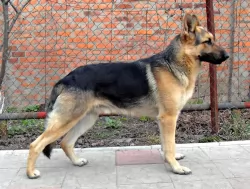 The East-European Shepherd dogs are balanced, confident, intelligent, loving and playful while also being tough and protective of their owners.
They make fantastic guard dogs, becoming aggressive around strangers whom they don’t trust. When you bring a dog like this into the home, it is essential to have him trained and socialized and to also have a firm owner who can deal with such a strong-willed animal.
He is an active, alert dog who will require regular exercise and will slot into life in the city or in the country so long as his exercise needs are met.
When you look after your East European Shepherd you’ll find in him a devoted, loyal friend who will protect you with his life.
 The English Cocker Spaniel is generally healthy, but like all breeds, it can be prone to certain health issues:
Ear Infections: Their long ears can trap moisture, leading to infections. Regular cleaning is essential.
Hip Dysplasia: A hereditary condition where the hip joint doesn’t develop properly, leading to arthritis and pain.
Progressive Retinal Atrophy (PRA): A genetic condition causing progressive vision loss.
The English Cocker Spaniel is generally healthy, but like all breeds, it can be prone to certain health issues:
Ear Infections: Their long ears can trap moisture, leading to infections. Regular cleaning is essential.
Hip Dysplasia: A hereditary condition where the hip joint doesn’t develop properly, leading to arthritis and pain.
Progressive Retinal Atrophy (PRA): A genetic condition causing progressive vision loss.
Cataracts: Cloudiness in the lens of the eye, common in older dogs. Autoimmune Disorders: Conditions like immune-mediated hemolytic anemia. Heart Issues: Mitral valve disease in older dogs. Obesity: Prone to weight gain if not properly exercised or fed. Regular vet visits, proper diet, and exercise help manage these conditions.
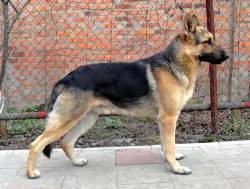 Regarded as a tough dog who can reach 10 – 12 years of age, the East European Shepherd is prone to hip or elbow dysplasia. This is a a disease that is more prevalent with German Shepherd type dogs.
Dysplasia is a genetic condition which can lead to inflammation and arthritis and even lameness. Unfortunately it can happen with young dogs too, and the vet will suggest different types of treatment which can include surgery.
Degenerative myelopathy is another degenerative disease which can be found with the East European Shepherd. It is a fatal, progressive degenerative disease of the spinal cord. Unfortunately there isn’t treatment for the disease, leading to paralysis of the limbs.
 Caring for an English Cocker Spaniel involves meeting their physical, emotional, and grooming needs. They are an active breed, so it’s important to provide daily exercise—a walk or play session for about 30 to 60 minutes will keep them happy and healthy. Mental stimulation is equally important, so be sure to provide toys, puzzles, and training sessions to keep their mind engaged.
Grooming is essential for this breed, as their long, silky coat needs to be brushed 2–3 times a week to prevent matting, especially around the ears and legs. Regular ear cleaning is also important to avoid infections, and they should be bathed every 4–6 weeks using a gentle dog shampoo.Nail trimming every 3–4 weeks and teeth brushing a few times a week will help maintain their overall health.
Their diet should consist of high-quality food tailored to their age, size, and activity level, with fresh water always available. Regular vet visits for vaccinations and health check-ups are crucial, and you should be vigilant for any signs of illness like ear infections or limping. Additionally, early socialization and positive reinforcement training will ensure they grow into well-rounded, obedient companions. By providing consistent care and attention to their physical and emotional needs, your English Cocker Spaniel will thrive as a loyal and loving member of the family.
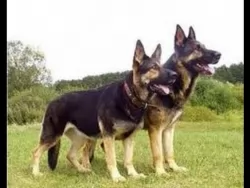 The coat of the East European Shepherd is thick, and while he won’t require any professional grooming, he will require being brushed at least twice a week. This is because he sheds heavily at certain times.
His nails will need to be clipped if they don’t wear down naturally, and his teeth will require regular brushing at least 2 or 3 times a week. Fortunately, because his ears are large and open, he doesn’t easily get an ear infection.
The East European Shepherd is a dog which has always been worked. It is a highly energetic dog and its role as a guard- and herding dog has made it that the dog will require a good dose of exercise.
A long walk may not be enough for this active dog, and he will require intense ball throwing with a tennis racquet to get the ball far away so that he can run far to fetch the ball. Without enough exercise, the East-European Shepherd will develop behavioral problems which will include aggression.