 MyDogBreeds
 English Cocker Spaniel is originated from United Kingdom but Hovawart is originated from Germany. English Cocker Spaniel may grow 27 cm / 10 inches shorter than Hovawart. English Cocker Spaniel may weigh 35 kg / 77 pounds lesser than Hovawart. Both English Cocker Spaniel and Hovawart has almost same life span. Both English Cocker Spaniel and Hovawart has almost same litter size. English Cocker Spaniel requires Moderate maintenance. But Hovawart requires Low maintenance
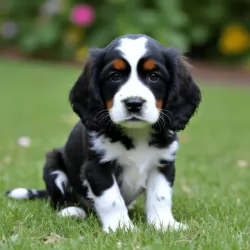 The English Cocker Spaniel has a rich history that dates back to at least the 14th century in England. Originally bred as a bird hunting dog, the breed's name "Cocker" comes from their specialization in hunting the woodcock bird.
Early spaniels, including the Cocker, were used as gun dogs to flush out and retrieve game. Over time, they were developed into a smaller, more agile hunter, distinct from other spaniels like the English Springer Spaniel.
By the 19th century, breeders in England focused on enhancing the breed's stamina, agility, and hunting instincts, while also fostering a gentle temperament. The English Cocker Spaniel became recognized as a separate breed from the American Cocker Spaniel in the early 20th century. Though originally bred for fieldwork, the breed’s affectionate nature and beautiful, silky coat led to its growing popularity as a companion dog.
Today, the English Cocker Spaniel is cherished both as a working dog and a family pet, known for its friendly, playful, and loyal personality.
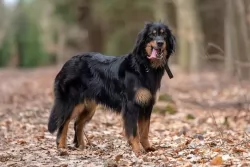 The Hovawart, is a German Black Forest breed developed as a guard dog for large estates in the medieval era. They first appeared in history in the early 13th century as heroes who saved the German son of a castle lord, despite being injured themselves. The boy they saved grew up to be a German legend. He wrote the oldest German code of law that remained from medieval times. In it he names the Hovawarts as a dog that if you are responsible for hurting, stealing or killing it, you must pay for it or replace it. No other dog had this protection.
In the late fifteenth century Hovawarts were featured in Heinrich Mynsinger’s “The Five Noble Breeds”. This guard dog breed was esteemed on a level with the hunting dogs – their health a question of life or death for their owner. In the 1500’s the popularity of the breed began to fade. The GSD or German Shepard Dog began to replace the Hovawarts as the preferred guard dog.
By the early 20th century the breed had almost disappeared but were saved by breed enthusiasts in the early 1900’s. Zoologist Kurt Konig was prominent in this effort and went looking in the Black Forest area for dogs working on farms. Using the dogs, he found on these farms, Konig began a breeding program crossing the them with Newfoundland’s, Kuvazoks, Leonbergers, GSD, an African hunting dogs and Bernese Mountain Dogs.
By 1922 the first litter of these pups was entered officially into the German Breeding Registry. In 1937 the Hovawart was recognized by the German Kennel Club. However, many members of the breed died in World War II as they were used widely by the military and not many were left by 1945. Once again breed enthusiasts came to the rescue forming a Coburg Hovawart club. This club still exists and in 1964, for the second time, the breed was recognized by the German Kennel Club. Other countries also began to take notice of this working breed.
The Hovawart has many skills in addition hunting and guarding. The Hovawart does not work for people, he works with them as he is a very independent thinker. He is also good at search and rescue and tracking. An owner of this breed must be stronger, smarter, more alert, intentional and consistent than his Hovawart. These are not dogs for the faint of heart or first-timers.
 The English Cocker Spaniel is a medium-sized, elegant, and compact dog known for its beautiful coat and gentle nature. With a graceful, athletic build, it has a slightly wavy, silky coat that is longer on the ears, legs, chest, and belly, giving the dog a refined appearance.
Their large, expressive eyes and long, floppy ears add to their charming look. Typically, they stand between 15 to 17 inches (38 to 43 cm) tall and weigh between 26 to 34 pounds (12 to 15.5 kg), with males being slightly larger than females.
This breed is known for its friendly, affectionate nature, making it a beloved family companion. The English Cocker Spaniel is also energetic, requiring regular exercise and mental stimulation, and is well-suited for active families.
Originally bred as a bird hunting dog, they have a strong instinct for retrieving and a keen sense of smell. Despite their hunting background, they are also social and adaptable, getting along well with other pets and children.
Their eager-to-please attitude makes them trainable, though they do require consistency. Overall, the English Cocker Spaniel is a loving, playful, and loyal dog that thrives in a family environment.
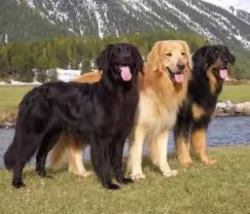
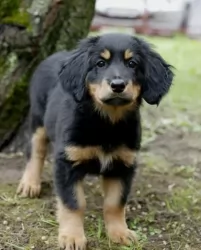 The Hovawart is a proud and majestic dog and his looks match his character. He looks a bit like the Golden Retriever with a powerful and broad forehead. His skull and muzzle are the same length and his nose is black. His oval eyes are a medium to dark brown and his ears are high set and triangular.
Their chests are strong, broad and deep. The breed has strong legs straight in front with round, strong and compact feet. They are heavy boned with dense, long coats that lie flat and have a slight wave to them. The coat can be black and gold, blond or black.
 The English Cocker Spaniel is a medium-sized, graceful breed known for its friendly and affectionate nature. Standing between 15 to 17 inches tall and weighing between 26 to 34 pounds, they have a silky, slightly wavy coat with longer feathering on their ears, chest, legs, and belly, giving them an elegant appearance.
Their large, expressive eyes and long, floppy ears further enhance their charm. These dogs are gentle, playful, and social, forming strong bonds with their families and getting along well with children and other pets. Energetic and active, they enjoy regular exercise like walks, playtime, and sometimes swimming.
Smart and eager to please, they are relatively easy to train, though they may show a bit of independence at times. Loyal and loving, they seek companionship and attention from their owners. While generally healthy, English Cocker Spaniels can be prone to certain health issues like ear infections, hip dysplasia, and progressive retinal atrophy. Overall, they make excellent companions for active families or individuals due to their affectionate, energetic, and loyal temperament.
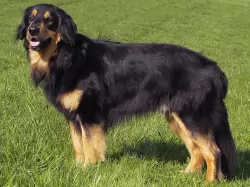 They have a great sense of smell and a well-balanced personality.
They are not indoor dogs and should have a yard to run in. They do not tolerate hot weather well. They do great out in the country.
They are intelligent independent thinkers. They lengths well with positive reinforcement.
 The English Cocker Spaniel is generally healthy, but like all breeds, it can be prone to certain health issues:
Ear Infections: Their long ears can trap moisture, leading to infections. Regular cleaning is essential.
Hip Dysplasia: A hereditary condition where the hip joint doesn’t develop properly, leading to arthritis and pain.
Progressive Retinal Atrophy (PRA): A genetic condition causing progressive vision loss.
The English Cocker Spaniel is generally healthy, but like all breeds, it can be prone to certain health issues:
Ear Infections: Their long ears can trap moisture, leading to infections. Regular cleaning is essential.
Hip Dysplasia: A hereditary condition where the hip joint doesn’t develop properly, leading to arthritis and pain.
Progressive Retinal Atrophy (PRA): A genetic condition causing progressive vision loss.
Cataracts: Cloudiness in the lens of the eye, common in older dogs. Autoimmune Disorders: Conditions like immune-mediated hemolytic anemia. Heart Issues: Mitral valve disease in older dogs. Obesity: Prone to weight gain if not properly exercised or fed. Regular vet visits, proper diet, and exercise help manage these conditions.
 Though their isolation protected them from genetic health issues for centuries, once they were being rejuvenated and mixed with other breeds some common issues began to show up. These include:
 Caring for an English Cocker Spaniel involves meeting their physical, emotional, and grooming needs. They are an active breed, so it’s important to provide daily exercise—a walk or play session for about 30 to 60 minutes will keep them happy and healthy. Mental stimulation is equally important, so be sure to provide toys, puzzles, and training sessions to keep their mind engaged.
Grooming is essential for this breed, as their long, silky coat needs to be brushed 2–3 times a week to prevent matting, especially around the ears and legs. Regular ear cleaning is also important to avoid infections, and they should be bathed every 4–6 weeks using a gentle dog shampoo.Nail trimming every 3–4 weeks and teeth brushing a few times a week will help maintain their overall health.
Their diet should consist of high-quality food tailored to their age, size, and activity level, with fresh water always available. Regular vet visits for vaccinations and health check-ups are crucial, and you should be vigilant for any signs of illness like ear infections or limping. Additionally, early socialization and positive reinforcement training will ensure they grow into well-rounded, obedient companions. By providing consistent care and attention to their physical and emotional needs, your English Cocker Spaniel will thrive as a loyal and loving member of the family.
 Feed breed specific high quality dry food for puppies. Feed 1-2 cups in 3-4 meals per day
Again Feed breed specific high quality dry food for adults. Feed 2-3 cups per day in 1-2 meals per day.
Points for Good Health – Stamina
The Hovawart needs plenty of exercise. Remember this is a mountain farm dog used to working all the time. Walk or jog with them daily. They can excel at field trials, obedience, search and rescue, agility, flyball, therapy dog, and service dog.