 MyDogBreeds
 English Cocker Spaniel is originated from United Kingdom but Hungarian Vizsla is originated from Hungary. English Cocker Spaniel may grow 21 cm / 8 inches shorter than Hungarian Vizsla. English Cocker Spaniel may weigh 14 kg / 30 pounds lesser than Hungarian Vizsla. English Cocker Spaniel may live 5 years more than Hungarian Vizsla. Both English Cocker Spaniel and Hungarian Vizsla has almost same litter size. English Cocker Spaniel requires Moderate maintenance. But Hungarian Vizsla requires Low maintenance
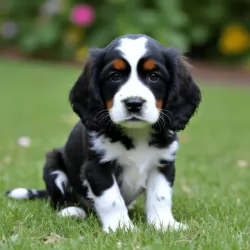 The English Cocker Spaniel has a rich history that dates back to at least the 14th century in England. Originally bred as a bird hunting dog, the breed's name "Cocker" comes from their specialization in hunting the woodcock bird.
Early spaniels, including the Cocker, were used as gun dogs to flush out and retrieve game. Over time, they were developed into a smaller, more agile hunter, distinct from other spaniels like the English Springer Spaniel.
By the 19th century, breeders in England focused on enhancing the breed's stamina, agility, and hunting instincts, while also fostering a gentle temperament. The English Cocker Spaniel became recognized as a separate breed from the American Cocker Spaniel in the early 20th century. Though originally bred for fieldwork, the breed’s affectionate nature and beautiful, silky coat led to its growing popularity as a companion dog.
Today, the English Cocker Spaniel is cherished both as a working dog and a family pet, known for its friendly, playful, and loyal personality.
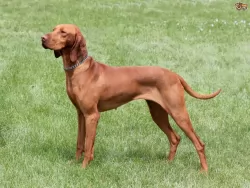 The Hungarian Vizslas existed in the land that is now Hungary, the Pannonian Basin, at least since the 10th century when they were shown on etchings. It is thought that their descendants were various pointers, the extinct Turkish Yellow Dog and the Transylvanian Hound. The Vizsla is a hunting dog with the word being Hungarian for pointer. In 1937 the Carmelite Friars under orders from King Louis I of Hungry. The breed was isolated for centuries in the Basin by the aristocracy and land owners.
The Magyar people of the area developed the breed for hunting as both pointers and retrievers. They were excellent at hunting rabbits and water fowl. With a terrific sense of smell and boundless stamina and energy, the were prized as family and companion dogs as well. This was unusual for a hunting or working dog. Their size made them appealing as well. They were small by comparison to other hunting dogs both pointers and retrievers.
Easy to train, the Hungarian Vizsla works in water, forests and fields. They are able to retrieve in the water as well as on the land. Throughout their history, the breed outlasted the Turkish Revolution, the Hungarian Revolution World War 1 and World War 2, as well as the Hungarian People’s Republic Communist State. Things were a little dicey for the Vizlas several times beginning in the 1800’s when German Shorthaired Pointers and English Pointers were introduced into the area. The next time was after World War II. Fearful of what this Communist state would mean for the breed, some were smuggled into the United States and Austria.
At that time there were only a dozen or so Vizslas in all of Hungary. Their numbers were brought back from that small breeding stock. This history did result in several different strains grew into their own breeding stock. There are Vizslas in Czechoslovakia, Romania, Serbia and Austria. There developed separate lines that became separate breeds in the Wirehaired Vizsla and the longhaired Vizsla which is very rare.
After World War II, the Hungarian Vizsla came to the United States and the Vizsla Club of American was established as a first step toward AKC (American Kennel Club) recognition. This was attained in 1960. Rex del Geisimino came to the U.S. in 1951 and he was able to respond to commands in both German and Hungarian. Vizslas also came to the United Kingdom in this time frame. There are now about 4500 registered with the KC (Kennel Club of Great Britain). A Vizsla won the distinctive Crufts Dog Show in Great Britain, as Best in Show.
It is believed that this gentle, sensitive and affectionate hunter was part of the original breeding stock or the Wirehaired Vizsla, the Weimaraner and the German Shorthaired Pointers. The Hungarian Vizsla is intelligent and social. The need your attention as well as a lot of exercise to avoid destructive behavior born of boredom. They want to be with you and they can be very protective of you.
 The English Cocker Spaniel is a medium-sized, elegant, and compact dog known for its beautiful coat and gentle nature. With a graceful, athletic build, it has a slightly wavy, silky coat that is longer on the ears, legs, chest, and belly, giving the dog a refined appearance.
Their large, expressive eyes and long, floppy ears add to their charming look. Typically, they stand between 15 to 17 inches (38 to 43 cm) tall and weigh between 26 to 34 pounds (12 to 15.5 kg), with males being slightly larger than females.
This breed is known for its friendly, affectionate nature, making it a beloved family companion. The English Cocker Spaniel is also energetic, requiring regular exercise and mental stimulation, and is well-suited for active families.
Originally bred as a bird hunting dog, they have a strong instinct for retrieving and a keen sense of smell. Despite their hunting background, they are also social and adaptable, getting along well with other pets and children.
Their eager-to-please attitude makes them trainable, though they do require consistency. Overall, the English Cocker Spaniel is a loving, playful, and loyal dog that thrives in a family environment.
 The Hungarian Vizsla has a light build, a short coat, and a distinctive bearing. They are medium in size and muscular, lean dogs looking a lot like the Weimaraner. They are also close in appearance to the Rhodesian Ridgeback and the Redbone Coonhounds. They are more muscular and leaner than the Rhodesian Ridgeback and Weimaraner.
The Vizsla has a reddish nose and their nails and eyes should also be reddish or blending with the color of their coat. They have docked tails in the American standard but not in the United Kingdom, as docking is banned there. If he has a tail, you can see it flying through the air as he runs through the rough land to retrieve fowl.
They have a domed skull with a tapered muzzle that is shorter or equal to the skull. They have eyes that are contrasted with the coat and of medium size. The ears of silky, hang close to the face and the tips are rounded. The coat is rust in color with many shades. He also has a deep chest and hound like face.
 The English Cocker Spaniel is a medium-sized, graceful breed known for its friendly and affectionate nature. Standing between 15 to 17 inches tall and weighing between 26 to 34 pounds, they have a silky, slightly wavy coat with longer feathering on their ears, chest, legs, and belly, giving them an elegant appearance.
Their large, expressive eyes and long, floppy ears further enhance their charm. These dogs are gentle, playful, and social, forming strong bonds with their families and getting along well with children and other pets. Energetic and active, they enjoy regular exercise like walks, playtime, and sometimes swimming.
Smart and eager to please, they are relatively easy to train, though they may show a bit of independence at times. Loyal and loving, they seek companionship and attention from their owners. While generally healthy, English Cocker Spaniels can be prone to certain health issues like ear infections, hip dysplasia, and progressive retinal atrophy. Overall, they make excellent companions for active families or individuals due to their affectionate, energetic, and loyal temperament.
 Children friendliness - The Vizsla is very good with children.
Special talents - They are both excellent pointers and retrievers.
Adaptability - They are not very adaptable in living arrangements as they are much more suited for the country than the city.
Learning ability – The Vizsla is a very intelligent breed and easy to train. His learning ability is very high.
 The English Cocker Spaniel is generally healthy, but like all breeds, it can be prone to certain health issues:
Ear Infections: Their long ears can trap moisture, leading to infections. Regular cleaning is essential.
Hip Dysplasia: A hereditary condition where the hip joint doesn’t develop properly, leading to arthritis and pain.
Progressive Retinal Atrophy (PRA): A genetic condition causing progressive vision loss.
The English Cocker Spaniel is generally healthy, but like all breeds, it can be prone to certain health issues:
Ear Infections: Their long ears can trap moisture, leading to infections. Regular cleaning is essential.
Hip Dysplasia: A hereditary condition where the hip joint doesn’t develop properly, leading to arthritis and pain.
Progressive Retinal Atrophy (PRA): A genetic condition causing progressive vision loss.
Cataracts: Cloudiness in the lens of the eye, common in older dogs. Autoimmune Disorders: Conditions like immune-mediated hemolytic anemia. Heart Issues: Mitral valve disease in older dogs. Obesity: Prone to weight gain if not properly exercised or fed. Regular vet visits, proper diet, and exercise help manage these conditions.
 The Hungarian Vizsla has a series of health issues that include:
 Caring for an English Cocker Spaniel involves meeting their physical, emotional, and grooming needs. They are an active breed, so it’s important to provide daily exercise—a walk or play session for about 30 to 60 minutes will keep them happy and healthy. Mental stimulation is equally important, so be sure to provide toys, puzzles, and training sessions to keep their mind engaged.
Grooming is essential for this breed, as their long, silky coat needs to be brushed 2–3 times a week to prevent matting, especially around the ears and legs. Regular ear cleaning is also important to avoid infections, and they should be bathed every 4–6 weeks using a gentle dog shampoo.Nail trimming every 3–4 weeks and teeth brushing a few times a week will help maintain their overall health.
Their diet should consist of high-quality food tailored to their age, size, and activity level, with fresh water always available. Regular vet visits for vaccinations and health check-ups are crucial, and you should be vigilant for any signs of illness like ear infections or limping. Additionally, early socialization and positive reinforcement training will ensure they grow into well-rounded, obedient companions. By providing consistent care and attention to their physical and emotional needs, your English Cocker Spaniel will thrive as a loyal and loving member of the family.
 Feed two to four cups per day of a high quality dry dog food. Break this up into three or four meals. Don’t free feed your puppy.
Feed two to three cups per day of high quality dry dog food. Feed in two servings.
The Vizsla is an athlete with high energy.
The Hungarian Vizsla needs at least 30 minutes of exercise every day and maybe more. He needs a large yard or open field, but daily brisk walks will do if that is all that is possible. He needs to be stimulated intellectually as well and enjoys fetch, jogging with you, lure coursing, field trials, tracking and scent work, confirmation, agility, barn hunt, dock diving, rally, and obedience.