 MyDogBreeds
 Both English Cocker Spaniel and Irish Bull Terrier are originated from United Kingdom. Both English Cocker Spaniel and Irish Bull Terrier are having almost same height. Both English Cocker Spaniel and Irish Bull Terrier are having almost same weight. Both English Cocker Spaniel and Irish Bull Terrier has almost same life span. English Cocker Spaniel may have less litter size than Irish Bull Terrier. English Cocker Spaniel requires Moderate maintenance. But Irish Bull Terrier requires Low maintenance
 The English Cocker Spaniel has a rich history that dates back to at least the 14th century in England. Originally bred as a bird hunting dog, the breed's name "Cocker" comes from their specialization in hunting the woodcock bird.
Early spaniels, including the Cocker, were used as gun dogs to flush out and retrieve game. Over time, they were developed into a smaller, more agile hunter, distinct from other spaniels like the English Springer Spaniel.
By the 19th century, breeders in England focused on enhancing the breed's stamina, agility, and hunting instincts, while also fostering a gentle temperament. The English Cocker Spaniel became recognized as a separate breed from the American Cocker Spaniel in the early 20th century. Though originally bred for fieldwork, the breed’s affectionate nature and beautiful, silky coat led to its growing popularity as a companion dog.
Today, the English Cocker Spaniel is cherished both as a working dog and a family pet, known for its friendly, playful, and loyal personality.
 The Irish Bull Terrier is a variant of the Staffordshire Bull Terrier and is also known as the Irish Staffordshire Bull Terrie.
The dog isn’t particularly well known outside of Ireland and it is also unrecognized by any kennel clubs, although there are some dog organizations which recognize the Irish Staffordshire Bull Terrier and this includes the Dog Registry of America as well as the United National Kennel Club.
Although descended from the Irish Bulldog and the original Staffordshire Pit Terrier, the breed has also been influenced by other dog breeds such as the English White Terrier among others.
 The English Cocker Spaniel is a medium-sized, elegant, and compact dog known for its beautiful coat and gentle nature. With a graceful, athletic build, it has a slightly wavy, silky coat that is longer on the ears, legs, chest, and belly, giving the dog a refined appearance.
Their large, expressive eyes and long, floppy ears add to their charming look. Typically, they stand between 15 to 17 inches (38 to 43 cm) tall and weigh between 26 to 34 pounds (12 to 15.5 kg), with males being slightly larger than females.
This breed is known for its friendly, affectionate nature, making it a beloved family companion. The English Cocker Spaniel is also energetic, requiring regular exercise and mental stimulation, and is well-suited for active families.
Originally bred as a bird hunting dog, they have a strong instinct for retrieving and a keen sense of smell. Despite their hunting background, they are also social and adaptable, getting along well with other pets and children.
Their eager-to-please attitude makes them trainable, though they do require consistency. Overall, the English Cocker Spaniel is a loving, playful, and loyal dog that thrives in a family environment.
 Bred essentially for dog fighting, the Irish Bull Terrier, known also as the Irish Staffie, is a medium sized dog which stands at roughly 43 to 48cm and weighs in at anything from 14kg to 18kg.
The dog is muscular, lean and strong with a strong jaw, deep chest, a broad head, short muzzle with round, brown eyes. The ears are half-erect and he has a long, straight tail. The coat of the dog is short and smooth and in different shades of red, fawn, black and brindle. Sometimes there are white markings.
The Irish Staffie has an aggressive temperament when it comes to fighting other dogs, but he loves being with a human family, being a social dog.
Those who have owned the dog say he is a courageous, confident, strong-willed, affectionate, loyal pet who is playful and loves getting up to mischief. He is intelligent too and can be easily trained and socialized, getting on well with children in the home.
This dog seems to have a constant grin on his face and he just loves life. He loves working hard and playing hard and even though he has a history of fighting, with people he is loving and devoted.
He is boisterous and better suited to a strong-minded, active family as he tends to be stubborn, wanting his own way. He can adapt well to life in the city or the country, but wherever he lives, he will require his owners to give him a good amount of exercise.
 The English Cocker Spaniel is a medium-sized, graceful breed known for its friendly and affectionate nature. Standing between 15 to 17 inches tall and weighing between 26 to 34 pounds, they have a silky, slightly wavy coat with longer feathering on their ears, chest, legs, and belly, giving them an elegant appearance.
Their large, expressive eyes and long, floppy ears further enhance their charm. These dogs are gentle, playful, and social, forming strong bonds with their families and getting along well with children and other pets. Energetic and active, they enjoy regular exercise like walks, playtime, and sometimes swimming.
Smart and eager to please, they are relatively easy to train, though they may show a bit of independence at times. Loyal and loving, they seek companionship and attention from their owners. While generally healthy, English Cocker Spaniels can be prone to certain health issues like ear infections, hip dysplasia, and progressive retinal atrophy. Overall, they make excellent companions for active families or individuals due to their affectionate, energetic, and loyal temperament.
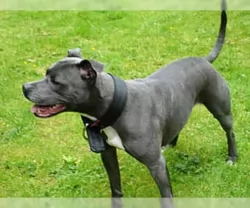 Lots of contact from his human family is what your Irish Bull Terrier will want from you. He is a loving, social dog and close human contact as well as lots of good food and exercise is what he will require from you.
With training and socialization he becomes an awesomely obedient pet, getting on well with adults and children in the home. He is such an entertaining, happy dog and once you've had an Irish Bull Terrier you will find your home empty without one.
 The English Cocker Spaniel is generally healthy, but like all breeds, it can be prone to certain health issues:
Ear Infections: Their long ears can trap moisture, leading to infections. Regular cleaning is essential.
Hip Dysplasia: A hereditary condition where the hip joint doesn’t develop properly, leading to arthritis and pain.
Progressive Retinal Atrophy (PRA): A genetic condition causing progressive vision loss.
The English Cocker Spaniel is generally healthy, but like all breeds, it can be prone to certain health issues:
Ear Infections: Their long ears can trap moisture, leading to infections. Regular cleaning is essential.
Hip Dysplasia: A hereditary condition where the hip joint doesn’t develop properly, leading to arthritis and pain.
Progressive Retinal Atrophy (PRA): A genetic condition causing progressive vision loss.
Cataracts: Cloudiness in the lens of the eye, common in older dogs. Autoimmune Disorders: Conditions like immune-mediated hemolytic anemia. Heart Issues: Mitral valve disease in older dogs. Obesity: Prone to weight gain if not properly exercised or fed. Regular vet visits, proper diet, and exercise help manage these conditions.
 Looked after well, your Irish Bull Terrier can reach 14, 15 or 16 years of age. Just like with other dogs, he is prone to some common dog illnesses, of which eye illnesses can be one.
Production and drainage of fluid is supposed to be balanced in the eye, and Glaucoma comes about when this balance is disrupted. Symptoms include red eye, pain, increased tear production and corneal cloudiness. Your vet may recommend treatment that will decrease inflammation in the eye.
The lens of the eye is usually clear but sometimes it develops a cloudy cataract which blocks light from reaching the back of the eye. The result is poor vision and even blindness. Cataract surgery is available for dogs and your vet can advise you further.
 Caring for an English Cocker Spaniel involves meeting their physical, emotional, and grooming needs. They are an active breed, so it’s important to provide daily exercise—a walk or play session for about 30 to 60 minutes will keep them happy and healthy. Mental stimulation is equally important, so be sure to provide toys, puzzles, and training sessions to keep their mind engaged.
Grooming is essential for this breed, as their long, silky coat needs to be brushed 2–3 times a week to prevent matting, especially around the ears and legs. Regular ear cleaning is also important to avoid infections, and they should be bathed every 4–6 weeks using a gentle dog shampoo.Nail trimming every 3–4 weeks and teeth brushing a few times a week will help maintain their overall health.
Their diet should consist of high-quality food tailored to their age, size, and activity level, with fresh water always available. Regular vet visits for vaccinations and health check-ups are crucial, and you should be vigilant for any signs of illness like ear infections or limping. Additionally, early socialization and positive reinforcement training will ensure they grow into well-rounded, obedient companions. By providing consistent care and attention to their physical and emotional needs, your English Cocker Spaniel will thrive as a loyal and loving member of the family.
 An Irish Staffordshire Bull Terrier isn't going to require you spending a lot of money on him in terms of grooming. He is a low maintenance dog and his short, smooth coat will only require a good brush once or twice a week as he isn't a heavy shedder.
Brushing him has several advantages – he loves the attention you’re giving him, its a time to check on fleas and ticks and it is excellent conditioning therapy for his coat. A damp cloth can also be used to wipe him down, and this is far better than bathing him with a shampoo that could aggravate his skin.
Your Irish Bull Terrier is an energetic breed and he certainly won't do well in a home where the family leaves him to his own devices day after day in the back yard.
Social and energetic, your pet will want to join you with your daily walks and he finds a ball irresistible. As a responsible dog owner, you will need to see that he gets a fair quota of exercise otherwise you should rather settle for a less active breed.
It goes without saying that such an active dog will require a good diet so ensure he can remain happy and active. Always try and feed your pet the best quality food there is.
If its commercially manufactured food, make sure its high quality and isn’t packed with unwholesome fillers and preservatives. Your vet can always offer sound advice on this aspect.
Some homemade food such as cooked chicken, brown rice and vegetables added to his kibble will do him the world of good and if you can afford it, mix in some raw meat from time to time. Make sure he has access to fresh, cool water.