 MyDogBreeds
 Both English Cocker Spaniel and Lancashire Heeler are originated from United Kingdom. English Cocker Spaniel may grow 12 cm / 5 inches higher than Lancashire Heeler. English Cocker Spaniel may weigh 10 kg / 23 pounds more than Lancashire Heeler. Both English Cocker Spaniel and Lancashire Heeler has almost same life span. Both English Cocker Spaniel and Lancashire Heeler has almost same litter size. English Cocker Spaniel requires Moderate maintenance. But Lancashire Heeler requires Low maintenance
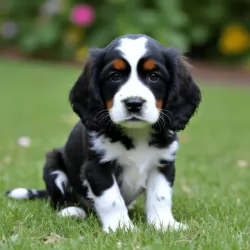 The English Cocker Spaniel has a rich history that dates back to at least the 14th century in England. Originally bred as a bird hunting dog, the breed's name "Cocker" comes from their specialization in hunting the woodcock bird.
Early spaniels, including the Cocker, were used as gun dogs to flush out and retrieve game. Over time, they were developed into a smaller, more agile hunter, distinct from other spaniels like the English Springer Spaniel.
By the 19th century, breeders in England focused on enhancing the breed's stamina, agility, and hunting instincts, while also fostering a gentle temperament. The English Cocker Spaniel became recognized as a separate breed from the American Cocker Spaniel in the early 20th century. Though originally bred for fieldwork, the breed’s affectionate nature and beautiful, silky coat led to its growing popularity as a companion dog.
Today, the English Cocker Spaniel is cherished both as a working dog and a family pet, known for its friendly, playful, and loyal personality.
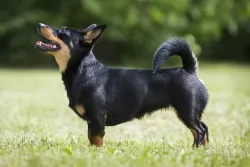 The Lancashire Heeler, known also as the Ormskirk Heeler or Ormskirk Terrier, hails from England and is looked upon as a vulnerable breed by the Kennel Club in the 21st century.
He was developed to be a cattle drover, but is essentially a companion dog today. Exact details of the origin of the Lancashire are unknown, but it is generally accepted that Welsh Corgis were used as well as a kind of black and tan terrier known as the Manchester Terrier.
In England, he has been known as a general working dog for more than a century.Gwen Mackintosh began breeding these dogs in the 1960s and the Lancashire Heeler Club was established in 1978. The dog was also placed on the Endangered Breeds in 2003.
 The English Cocker Spaniel is a medium-sized, elegant, and compact dog known for its beautiful coat and gentle nature. With a graceful, athletic build, it has a slightly wavy, silky coat that is longer on the ears, legs, chest, and belly, giving the dog a refined appearance.
Their large, expressive eyes and long, floppy ears add to their charming look. Typically, they stand between 15 to 17 inches (38 to 43 cm) tall and weigh between 26 to 34 pounds (12 to 15.5 kg), with males being slightly larger than females.
This breed is known for its friendly, affectionate nature, making it a beloved family companion. The English Cocker Spaniel is also energetic, requiring regular exercise and mental stimulation, and is well-suited for active families.
Originally bred as a bird hunting dog, they have a strong instinct for retrieving and a keen sense of smell. Despite their hunting background, they are also social and adaptable, getting along well with other pets and children.
Their eager-to-please attitude makes them trainable, though they do require consistency. Overall, the English Cocker Spaniel is a loving, playful, and loyal dog that thrives in a family environment.
 As a small breed dog, the Lancashire Heeler stands at 25 – 31cm in height, both male and female, and the dog weighs in the region of 2 to 6kg.
Looking quite similar to a Corgi or a German Shepherd with short legs, the Heeler’s legs are meant to be fairly straight and not bandy-legged. He has a short, weather-proof coarse coat that can be black or liver-colored, with tan markings. The coat is regarded as low maintenance. The hair is slightly longer around his neck.
The ears are erect, the eyes brown and bright and the tail these days is left long with a slight curl.
Intelligent, stubborn, strong willed, playful and friendly, the Lancashire Heeler is capable of making you an excellent pet and companion.
This dog is smart and learns quickly. He is energetic and playful, strong and robust and more than willing to take part in all the activities that you’re taking part in.
With training and socialization he makes a splendid pet, but he doesn’t put up well to abuse and disrespect from younger children. He is willing to get along with other pets in the home too.
 The English Cocker Spaniel is a medium-sized, graceful breed known for its friendly and affectionate nature. Standing between 15 to 17 inches tall and weighing between 26 to 34 pounds, they have a silky, slightly wavy coat with longer feathering on their ears, chest, legs, and belly, giving them an elegant appearance.
Their large, expressive eyes and long, floppy ears further enhance their charm. These dogs are gentle, playful, and social, forming strong bonds with their families and getting along well with children and other pets. Energetic and active, they enjoy regular exercise like walks, playtime, and sometimes swimming.
Smart and eager to please, they are relatively easy to train, though they may show a bit of independence at times. Loyal and loving, they seek companionship and attention from their owners. While generally healthy, English Cocker Spaniels can be prone to certain health issues like ear infections, hip dysplasia, and progressive retinal atrophy. Overall, they make excellent companions for active families or individuals due to their affectionate, energetic, and loyal temperament.
 As with any dog breed, there are wide variations in temperament. A dog essentially turns out the way it was brought up, similar to a child. Angry, harsh, aggressive, uncaring dog owners produce a dog that is both timid and aggressive, unsure, frustrated and with behavioral problems.
Make your dog part of your family, provide him with good food, exercise and love and he will make an awesome pet.
The Lancashire Heeler is such an amicable, social dog at heart, and treated well, he will turn out like is inherent characteristics. He is an outgoing, friendly dog, more so when he has been trained and socialized. He will adapt to city- or country life, so long as he is exercised each day.
The Heeler has a good, balanced temperament, and counted in as a loved family member, you’ll make sure he stays that way.
 The English Cocker Spaniel is generally healthy, but like all breeds, it can be prone to certain health issues:
Ear Infections: Their long ears can trap moisture, leading to infections. Regular cleaning is essential.
Hip Dysplasia: A hereditary condition where the hip joint doesn’t develop properly, leading to arthritis and pain.
Progressive Retinal Atrophy (PRA): A genetic condition causing progressive vision loss.
The English Cocker Spaniel is generally healthy, but like all breeds, it can be prone to certain health issues:
Ear Infections: Their long ears can trap moisture, leading to infections. Regular cleaning is essential.
Hip Dysplasia: A hereditary condition where the hip joint doesn’t develop properly, leading to arthritis and pain.
Progressive Retinal Atrophy (PRA): A genetic condition causing progressive vision loss.
Cataracts: Cloudiness in the lens of the eye, common in older dogs. Autoimmune Disorders: Conditions like immune-mediated hemolytic anemia. Heart Issues: Mitral valve disease in older dogs. Obesity: Prone to weight gain if not properly exercised or fed. Regular vet visits, proper diet, and exercise help manage these conditions.
 Your Heeler can live to be 14, 15 or 16 years of age and live even longer than this with the right care. He is such a healthy breed, but one of the common dog illnesses to look out for are eye diseases.
This is where the ligaments of the eye are weakened so that the lens actually loosened and then displaced, causing pain for the dog. This displacement can obstruct fluid drainage from the eye too and your vet may need to perform surgery.
The shock-absorbing intervertebral discs can have spinal compression and contribute to significant pain for your pet. Early signs will see your Lancashire Heeler being reluctant to jump on his chair like he may once have done. Preventing obesity is important for reducing pressure on the dog’s spine.
 Caring for an English Cocker Spaniel involves meeting their physical, emotional, and grooming needs. They are an active breed, so it’s important to provide daily exercise—a walk or play session for about 30 to 60 minutes will keep them happy and healthy. Mental stimulation is equally important, so be sure to provide toys, puzzles, and training sessions to keep their mind engaged.
Grooming is essential for this breed, as their long, silky coat needs to be brushed 2–3 times a week to prevent matting, especially around the ears and legs. Regular ear cleaning is also important to avoid infections, and they should be bathed every 4–6 weeks using a gentle dog shampoo.Nail trimming every 3–4 weeks and teeth brushing a few times a week will help maintain their overall health.
Their diet should consist of high-quality food tailored to their age, size, and activity level, with fresh water always available. Regular vet visits for vaccinations and health check-ups are crucial, and you should be vigilant for any signs of illness like ear infections or limping. Additionally, early socialization and positive reinforcement training will ensure they grow into well-rounded, obedient companions. By providing consistent care and attention to their physical and emotional needs, your English Cocker Spaniel will thrive as a loyal and loving member of the family.
 Known as a low maintenance dog, the Lancashire Heeler’s short coat will require little grooming, just a good brush twice a week.
If your Heeler doesn’t wear his nails down naturally, they will need to be clipped as part of the grooming process. Ears should also be checked regularly. Excess wax and dirt can build up which can lead to an ear infection. This can drive your dog mad with frustration. Teeth also need to be brushed regularly.
Remember, if you feel guilty for not getting to grooming your pet, there are professional groomers at your local vet or who work independently and they will do all of this for you.
Your Lancashire Heeler is such a social, active little dog who is always willing to be counted in to all your fun and games. If you’re lucky to have a fair sized garden, involve him in some ball games, or use a rope for him to tug on while you pull the other side. Whenever you go for a walk, he will be thrilled to join you as he loves picking up all those new scents outside his garden.
Nutritious food is important for longevity and health in a dog. Every dog has different dietary needs throughout their lives – when they’re puppies, when the female is pregnant, after they’ve been spayed or neutered, as a working dog, when they’re sick, when they’re old and so on.
There are some good dog brand foods to use, but you want to choose the best ones to ensure your dog gets all the vitamins and minerals needed as opposed to those that are packed with colorants, preservatives and fillers.
Home-made food is important too and some cooked chicken, cooked rice and raw or cooked vegetables can be added to his dry kibble from time to time. Don’t complicate your dog’s diet – just feed him plain, wholesome food like this with a little bit of raw meat added in occasionally. Simple, nutritious food will ensure he is energetic, bright eyed and happy. Make sure he always has fresh, cool water.