 MyDogBreeds
 English Cocker Spaniel is originated from United Kingdom but Pug is originated from China. English Cocker Spaniel may grow 7 cm / 3 inches higher than Pug. English Cocker Spaniel may weigh 7 kg / 16 pounds more than Pug. Both English Cocker Spaniel and Pug has almost same life span. Both English Cocker Spaniel and Pug has almost same litter size. English Cocker Spaniel requires Moderate maintenance. But Pug requires Low maintenance
 The English Cocker Spaniel has a rich history that dates back to at least the 14th century in England. Originally bred as a bird hunting dog, the breed's name "Cocker" comes from their specialization in hunting the woodcock bird.
Early spaniels, including the Cocker, were used as gun dogs to flush out and retrieve game. Over time, they were developed into a smaller, more agile hunter, distinct from other spaniels like the English Springer Spaniel.
By the 19th century, breeders in England focused on enhancing the breed's stamina, agility, and hunting instincts, while also fostering a gentle temperament. The English Cocker Spaniel became recognized as a separate breed from the American Cocker Spaniel in the early 20th century. Though originally bred for fieldwork, the breed’s affectionate nature and beautiful, silky coat led to its growing popularity as a companion dog.
Today, the English Cocker Spaniel is cherished both as a working dog and a family pet, known for its friendly, playful, and loyal personality.
 It is believed that Pugs originated in China, but not much is known about the early history of these dogs. There are some dog experts who believe that the dogs were brought to Holland by Portuguese traders in the 16th century.
These dogs then went from Holland to England in 1689. The American Kennel Club registered the Pugs in 1885.
In 1931, the Pug Dog Club of America was established.
 The English Cocker Spaniel is a medium-sized, elegant, and compact dog known for its beautiful coat and gentle nature. With a graceful, athletic build, it has a slightly wavy, silky coat that is longer on the ears, legs, chest, and belly, giving the dog a refined appearance.
Their large, expressive eyes and long, floppy ears add to their charming look. Typically, they stand between 15 to 17 inches (38 to 43 cm) tall and weigh between 26 to 34 pounds (12 to 15.5 kg), with males being slightly larger than females.
This breed is known for its friendly, affectionate nature, making it a beloved family companion. The English Cocker Spaniel is also energetic, requiring regular exercise and mental stimulation, and is well-suited for active families.
Originally bred as a bird hunting dog, they have a strong instinct for retrieving and a keen sense of smell. Despite their hunting background, they are also social and adaptable, getting along well with other pets and children.
Their eager-to-please attitude makes them trainable, though they do require consistency. Overall, the English Cocker Spaniel is a loving, playful, and loyal dog that thrives in a family environment.
 Pugs are small dogs standing at roughly 25cm and 36cm in height and weighing between 6 and 8.5kg. They are categorized as a toy breed.
The head is large in size compared to the body. It’s the eyes which are quite distinct – being particularly large and prominent, almost bulging. The face is fairly wrinkled too with the muzzle being short or blunt and black in color.
The coat of the dog is smooth and short with colors mainly being fawn, but black is also seen. The ears are medium sized and floppy while the tail curls up tightly over the back.
The Pug is unusual to look at and also has an unusual personality. He is an entertaining dog with his clownish antics but he happens to be intelligent too, and will respond well to training and socialization.
With their short coats they are regarded as low-maintenance dogs, although the short, double coat does shed quite a bit. They’re also not your typical live-wire and can quite easily be found lounging around.
Of course they can’t be left to do this too often as obesity can easily set it. Pugs will certainly need some physical exercise and mental stimulation. They’re playful dogs and get on well with children and other pets, especially if there are games to be enjoyed.
They are loyal, affectionate pets with their human owners and make a good pet for those living in the city or in the countryside.
 The English Cocker Spaniel is a medium-sized, graceful breed known for its friendly and affectionate nature. Standing between 15 to 17 inches tall and weighing between 26 to 34 pounds, they have a silky, slightly wavy coat with longer feathering on their ears, chest, legs, and belly, giving them an elegant appearance.
Their large, expressive eyes and long, floppy ears further enhance their charm. These dogs are gentle, playful, and social, forming strong bonds with their families and getting along well with children and other pets. Energetic and active, they enjoy regular exercise like walks, playtime, and sometimes swimming.
Smart and eager to please, they are relatively easy to train, though they may show a bit of independence at times. Loyal and loving, they seek companionship and attention from their owners. While generally healthy, English Cocker Spaniels can be prone to certain health issues like ear infections, hip dysplasia, and progressive retinal atrophy. Overall, they make excellent companions for active families or individuals due to their affectionate, energetic, and loyal temperament.
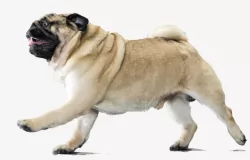 The Pug just loves spending time with his human family. They’re good with other dogs too and with children.
They’re even tempered and will make anyone a splendid family pet, so long as they’re not heavy into things like jogging and cycling.
He is alert and can make you a good watchdog. With all the love he comes with, the comical Pug can make you a most wonderful pet and friend.
 The English Cocker Spaniel is generally healthy, but like all breeds, it can be prone to certain health issues:
Ear Infections: Their long ears can trap moisture, leading to infections. Regular cleaning is essential.
Hip Dysplasia: A hereditary condition where the hip joint doesn’t develop properly, leading to arthritis and pain.
Progressive Retinal Atrophy (PRA): A genetic condition causing progressive vision loss.
The English Cocker Spaniel is generally healthy, but like all breeds, it can be prone to certain health issues:
Ear Infections: Their long ears can trap moisture, leading to infections. Regular cleaning is essential.
Hip Dysplasia: A hereditary condition where the hip joint doesn’t develop properly, leading to arthritis and pain.
Progressive Retinal Atrophy (PRA): A genetic condition causing progressive vision loss.
Cataracts: Cloudiness in the lens of the eye, common in older dogs. Autoimmune Disorders: Conditions like immune-mediated hemolytic anemia. Heart Issues: Mitral valve disease in older dogs. Obesity: Prone to weight gain if not properly exercised or fed. Regular vet visits, proper diet, and exercise help manage these conditions.
 Every dog, regardless of breed, can develop health problems. Good nutrition, exercise and love and care go a long way to ward off diseases and ensure your pet has a healthy, happy life.
The Pug can also develop certain health problems and we look at one or two -
This is inflammation of the brain and it causes seizures. Unfortunately there isn’t a cure. This neurological disease is luckily rare. Usually it attacks young Pugs of 2 or 3 years of age. Seizures, neck stiffness, loss of co-ordination, lethargy are all signs of this disease.
Sad though it may be, the best way forward would be to put your dog to sleep, but in any case your vet will discuss all options with you.
With this disease, your Pug can have breathing problems, which can be aggravated if the Pug is overweight or the weather particularly hot. Don’t exercise your Pug too vigorously on a hot day.
Stenoic nares is a medical term for narrow nostrils in a dog, and this is precisely what the Pug battles with. If the Pug battles too much with breathing problems, corrective surgery is possible.
Pugs often have to contend with some serious dental problems, and this is because their teeth are crowded. He may require more dental attention than other dogs.
 Caring for an English Cocker Spaniel involves meeting their physical, emotional, and grooming needs. They are an active breed, so it’s important to provide daily exercise—a walk or play session for about 30 to 60 minutes will keep them happy and healthy. Mental stimulation is equally important, so be sure to provide toys, puzzles, and training sessions to keep their mind engaged.
Grooming is essential for this breed, as their long, silky coat needs to be brushed 2–3 times a week to prevent matting, especially around the ears and legs. Regular ear cleaning is also important to avoid infections, and they should be bathed every 4–6 weeks using a gentle dog shampoo.Nail trimming every 3–4 weeks and teeth brushing a few times a week will help maintain their overall health.
Their diet should consist of high-quality food tailored to their age, size, and activity level, with fresh water always available. Regular vet visits for vaccinations and health check-ups are crucial, and you should be vigilant for any signs of illness like ear infections or limping. Additionally, early socialization and positive reinforcement training will ensure they grow into well-rounded, obedient companions. By providing consistent care and attention to their physical and emotional needs, your English Cocker Spaniel will thrive as a loyal and loving member of the family.
 Grooming your Pug’s coat will simply require a brush twice a week. They’re fairly heavy shedders these Pugs so you can’t neglect the brushing.
It’s your chance to check the inside of his ears for signs of redness and to also check that his eyes are alright. You’ll also need a damp cloth to wipe his face and get rid of debris caught in the wrinkles. Run your hands over his body and make sure there aren’t any unusual new lumps. Keep his nails trimmed too.
Your Pug will need the best food there is to give his health the best chance. Remember that if you buy commercially manufactured dog food, to buy the very best one there is. Some of the poorer quality ones don’t come with the right balance of vitamins and minerals, and they also have lots of bad colorants and preservatives.
Also, be careful to read the packaging. Your Pug is a toy breed so you can’t be buying him food for large breed dogs such as Mastiffs or German Shepherds.
Consistency and simplicity is what your Pug wants from you. Home-made food is always an excellent choice for your pet’s diet. Boiled chicken, brown rice or pasta and spinach, sweet potatoes and carrots can be very healthy for him. For your Pug, chop it all up and maybe twice a week add it into the dry kibble.
Some raw meat added in occasionally will also ensure his good health. Always make sure he has access to fresh, cool water.