 MyDogBreeds
 English Cocker Spaniel is originated from United Kingdom but Spanish Water Dog is originated from Spain. English Cocker Spaniel may grow 7 cm / 2 inches shorter than Spanish Water Dog. English Cocker Spaniel may weigh 6 kg / 13 pounds lesser than Spanish Water Dog. Both English Cocker Spaniel and Spanish Water Dog has almost same life span. Both English Cocker Spaniel and Spanish Water Dog has almost same litter size. Both English Cocker Spaniel and Spanish Water Dog requires Moderate maintenance.
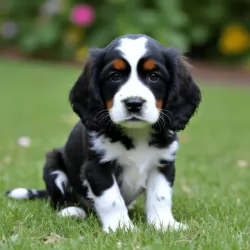 The English Cocker Spaniel has a rich history that dates back to at least the 14th century in England. Originally bred as a bird hunting dog, the breed's name "Cocker" comes from their specialization in hunting the woodcock bird.
Early spaniels, including the Cocker, were used as gun dogs to flush out and retrieve game. Over time, they were developed into a smaller, more agile hunter, distinct from other spaniels like the English Springer Spaniel.
By the 19th century, breeders in England focused on enhancing the breed's stamina, agility, and hunting instincts, while also fostering a gentle temperament. The English Cocker Spaniel became recognized as a separate breed from the American Cocker Spaniel in the early 20th century. Though originally bred for fieldwork, the breed’s affectionate nature and beautiful, silky coat led to its growing popularity as a companion dog.
Today, the English Cocker Spaniel is cherished both as a working dog and a family pet, known for its friendly, playful, and loyal personality.
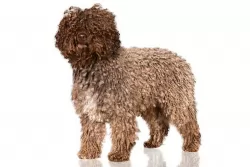 Bred in Spain to guard and herd sheep, the Spanish Water Dog was also used in hunting because he could retrieve in water. The breed is closely aligned with other water dogs like the Irish Water Spaniel, Portuguese Water Dog and French Barbel. It is especially true that the Spanish Water Dog and the Portuguese Water Dog share some of the same ancestors. The two breeds are closely related.
In the early days of the breed, they were separated into three different sizes and types. The dogs from Northern Spain were smaller than the others and came from the regions of Cantabria and Asturias. These lighter colored dogs eventually became their own breed – the Cantabria Water Dog. The second group came from western Andalusia marsh lands. He had a long chorded coat. The third group was the strongest and largest and came from the southern Andalusian sierras. This was by far the largest and most influential group, most of whom were herders. Eventually the groups interbred and today’s SWD carries the traits of all three. They were and still are a very versatile breed. In addition to herding they fished or retrieved for hunters.
The breed was revived in the 1970”s by two breeders, Santiago Montesinos and Antonio Garcia Perez travelled through southern Spain to buy or borrow dogs for breeding. By 1980, they had established the Spanish Water Dog Club of Spain and reestablished the breed. They fought to the breed recognized in Spain first. After five years of hard work, the Federation Cynologique Internationale recognized the breed permanently in 1999.
The UKC, or United Kennel Club, of the United States, recognized the breed in 2001, accepting them for confirmation by 2004. In the United States the breed was championed by Ken and Jerry Mann to attain that UKC recognition. Still the AKC, or American Kennel Club, held out on their recognition. The Manns showed the SWD in 2000 in the AKC Rare Breed Conformation and the UKC multi-breed show in 2004.
The Manns also used their breed for herding in the United States in entered them into the herding competition. In the they advocated for and got the SWD into the herding group for confirmation with the UKC in 2013. The American Kennel Club approved the requests of the Spanish Water Dog Club, Inc and recognized the breed in 2005 as foundation stock. By 2008 the AKC recognized the SWD to be able to compete in field trials by not conformation. In 2015 the SWD will be admitting to AKC conformation and fully recognized as a member of the herding group. They were also recognized by the American Herding Breed Association in 2007.
 The English Cocker Spaniel is a medium-sized, elegant, and compact dog known for its beautiful coat and gentle nature. With a graceful, athletic build, it has a slightly wavy, silky coat that is longer on the ears, legs, chest, and belly, giving the dog a refined appearance.
Their large, expressive eyes and long, floppy ears add to their charming look. Typically, they stand between 15 to 17 inches (38 to 43 cm) tall and weigh between 26 to 34 pounds (12 to 15.5 kg), with males being slightly larger than females.
This breed is known for its friendly, affectionate nature, making it a beloved family companion. The English Cocker Spaniel is also energetic, requiring regular exercise and mental stimulation, and is well-suited for active families.
Originally bred as a bird hunting dog, they have a strong instinct for retrieving and a keen sense of smell. Despite their hunting background, they are also social and adaptable, getting along well with other pets and children.
Their eager-to-please attitude makes them trainable, though they do require consistency. Overall, the English Cocker Spaniel is a loving, playful, and loyal dog that thrives in a family environment.
 The Spanish Water Dog is an athletic, medium size, robust breed that is not as tall as it is long. In countries like the US, the tails are docked but it is not a conformation fault if they are not. The carry themselves with pride and elegance, have a strong head and expressive eyes which are brown. They have flat skulls and wide set eyes. Their paw pads, eye-rims and nose should be darker than their coat or at least the same color. Their eyes are chestnut, hazel or dark brown and their ears are medium height and triangular. His coat is curly and his topline is straight. With a broad chest and arched rib, he is a very athletic looking dog. The breed has much respiratory capacity with broad shoulders and straight sturdy legs. The breed has rounded feet , tight toes, and resistant pads.
 The English Cocker Spaniel is a medium-sized, graceful breed known for its friendly and affectionate nature. Standing between 15 to 17 inches tall and weighing between 26 to 34 pounds, they have a silky, slightly wavy coat with longer feathering on their ears, chest, legs, and belly, giving them an elegant appearance.
Their large, expressive eyes and long, floppy ears further enhance their charm. These dogs are gentle, playful, and social, forming strong bonds with their families and getting along well with children and other pets. Energetic and active, they enjoy regular exercise like walks, playtime, and sometimes swimming.
Smart and eager to please, they are relatively easy to train, though they may show a bit of independence at times. Loyal and loving, they seek companionship and attention from their owners. While generally healthy, English Cocker Spaniels can be prone to certain health issues like ear infections, hip dysplasia, and progressive retinal atrophy. Overall, they make excellent companions for active families or individuals due to their affectionate, energetic, and loyal temperament.
 3.Adaptability - very adaptable with the right exercise. Neither heat nor cold bother them.
 The English Cocker Spaniel is generally healthy, but like all breeds, it can be prone to certain health issues:
Ear Infections: Their long ears can trap moisture, leading to infections. Regular cleaning is essential.
Hip Dysplasia: A hereditary condition where the hip joint doesn’t develop properly, leading to arthritis and pain.
Progressive Retinal Atrophy (PRA): A genetic condition causing progressive vision loss.
The English Cocker Spaniel is generally healthy, but like all breeds, it can be prone to certain health issues:
Ear Infections: Their long ears can trap moisture, leading to infections. Regular cleaning is essential.
Hip Dysplasia: A hereditary condition where the hip joint doesn’t develop properly, leading to arthritis and pain.
Progressive Retinal Atrophy (PRA): A genetic condition causing progressive vision loss.
Cataracts: Cloudiness in the lens of the eye, common in older dogs. Autoimmune Disorders: Conditions like immune-mediated hemolytic anemia. Heart Issues: Mitral valve disease in older dogs. Obesity: Prone to weight gain if not properly exercised or fed. Regular vet visits, proper diet, and exercise help manage these conditions.
 The Spanish Water Dog has much of the same health problems as the other water dogs and dogs their size and heritage. Here are some of the health issues they are prone to.
• Exocrine Pancreatic Insufficiency – inability to digest food – can be treated.
• CHG – Congenital Hypothyroidism with Goiter – inherited and pups don’t grow correctly.
• Neuroaxonal Dystrophy – cognitive and muscular dysfunction. Vitamin E and insulin deficiency
 Caring for an English Cocker Spaniel involves meeting their physical, emotional, and grooming needs. They are an active breed, so it’s important to provide daily exercise—a walk or play session for about 30 to 60 minutes will keep them happy and healthy. Mental stimulation is equally important, so be sure to provide toys, puzzles, and training sessions to keep their mind engaged.
Grooming is essential for this breed, as their long, silky coat needs to be brushed 2–3 times a week to prevent matting, especially around the ears and legs. Regular ear cleaning is also important to avoid infections, and they should be bathed every 4–6 weeks using a gentle dog shampoo.Nail trimming every 3–4 weeks and teeth brushing a few times a week will help maintain their overall health.
Their diet should consist of high-quality food tailored to their age, size, and activity level, with fresh water always available. Regular vet visits for vaccinations and health check-ups are crucial, and you should be vigilant for any signs of illness like ear infections or limping. Additionally, early socialization and positive reinforcement training will ensure they grow into well-rounded, obedient companions. By providing consistent care and attention to their physical and emotional needs, your English Cocker Spaniel will thrive as a loyal and loving member of the family.
 1.Feeding the puppy – Because of the breed propensity to some genetic dietary issues it is important to feed high quality food made from mostly meat. Avoid grains as much as possible. Don’t feed adult foods to the puppies. Feed puppy breed specific or medium size dogs.
2.Feeding the adult - Feed the adult as little grain and as much protein as possible. Feed adult breed specific or medium size dog’s food.
4. Games and Exercises – This is a working breed. Remember they are both herders and hunters and need exercise. They love strenuous hiking, running, jogging, long walks, swimming and playing fetch. Don’t over work the puppy/young dog until they have matured and their growth plates close.