 MyDogBreeds
 English Cocker Spaniel is originated from United Kingdom but St. Bernard is originated from Switzerland. English Cocker Spaniel may grow 28 cm / 11 inches shorter than St. Bernard. English Cocker Spaniel may weigh 74 kg / 163 pounds lesser than St. Bernard. English Cocker Spaniel may live 5 years more than St. Bernard. Both English Cocker Spaniel and St. Bernard has almost same litter size. English Cocker Spaniel requires Moderate maintenance. But St. Bernard requires High maintenance
 The English Cocker Spaniel has a rich history that dates back to at least the 14th century in England. Originally bred as a bird hunting dog, the breed's name "Cocker" comes from their specialization in hunting the woodcock bird.
Early spaniels, including the Cocker, were used as gun dogs to flush out and retrieve game. Over time, they were developed into a smaller, more agile hunter, distinct from other spaniels like the English Springer Spaniel.
By the 19th century, breeders in England focused on enhancing the breed's stamina, agility, and hunting instincts, while also fostering a gentle temperament. The English Cocker Spaniel became recognized as a separate breed from the American Cocker Spaniel in the early 20th century. Though originally bred for fieldwork, the breed’s affectionate nature and beautiful, silky coat led to its growing popularity as a companion dog.
Today, the English Cocker Spaniel is cherished both as a working dog and a family pet, known for its friendly, playful, and loyal personality.
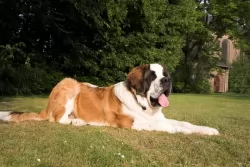 The St Bernard breed was once called the Alpine Cattle Dogs or the Alpine Mountain Dogs. They have always been farm dogs and mountain dogs in the French and Swiss Alps. They come from the border land of Switzerland and France. They were herding dogs, hunting, search and rescue, watchdogs and draft dogs.
Their ancestors are considered to include the Sennenhunds and molosser breeds that came to the Alps with the ancient Romans. There are four Sennenhund breeds that are believed to have contributed to the original St. Bernard. These included the Greater Swiss Mountain Dog (Grosser Schweizer Sennenhund), the Appenzeller (Appenzeller Sennenhund), the Bernese Mountain Dog (Berner Sennenhund) and the Entlebucher Mountain Dog (Entlebucher Sennenhund) Today the St. Bernard is considered a Molossoid breed.
The first we know of the St. Bernard in any written records was in 1707 at the Great St. Bernard Pass and Great St. Bernard Hospice run by monks. There were found paintings of the dogs dating back into the late 1600’s. It is told that Barry saved upward of 100 people in the St. Bernard pass, and it is from these stories that the dogs gained their snow rescue reputation.
The St. Bernard of that time did not look like the St. Bernard does today as there was much crossbreeding. Many dogs dies during rescues in the avalanches of the mid 1800’s and so they Saint was crossed with the Newfoundland to preserve the breed. You can today see the resemblance in the build and looks of the two breeds. This cross brought about the long haired St. Bernard whose fur was too heavy for rescues.
The St. Bernards of mountain rescue fame were only about the size of a German Shepherd dog and were short haired. After crossing with the Newfoundland and moving into clubs and dogs shows, they have been bred to be much larger. Before the stud book was closed, it is thought that many larger breeds such as the Greater Swiss Mountain Dog, the English Mastiff, the Tibetan Mastiff, the Rottweiler, the Great Pyrenees, the English Bulldog, the Great Dane, the Bernese Mountain Dog, the Boxer and the Caucasian Oycharka all contributed to today’s St. Bernard.
In 1884 The Swiss St. Bernard Club was founded and the breed entered the Swiss Stud book as its first entry in 1884. It was 1888 when the standard was approved and the breed became the national dog of Switzerland. Before the name St. Bernard came to be common, these dogs might be called, Barry Dogs, Alepnmastiff, Noble Steeds or Saint Dogs.
The dogs came to England in the early 1800s and to the United States soon after. They were recognized by the European kennel clubs first and by the early 1900’s they were the most popular breed in the AKC.
 The English Cocker Spaniel is a medium-sized, elegant, and compact dog known for its beautiful coat and gentle nature. With a graceful, athletic build, it has a slightly wavy, silky coat that is longer on the ears, legs, chest, and belly, giving the dog a refined appearance.
Their large, expressive eyes and long, floppy ears add to their charming look. Typically, they stand between 15 to 17 inches (38 to 43 cm) tall and weigh between 26 to 34 pounds (12 to 15.5 kg), with males being slightly larger than females.
This breed is known for its friendly, affectionate nature, making it a beloved family companion. The English Cocker Spaniel is also energetic, requiring regular exercise and mental stimulation, and is well-suited for active families.
Originally bred as a bird hunting dog, they have a strong instinct for retrieving and a keen sense of smell. Despite their hunting background, they are also social and adaptable, getting along well with other pets and children.
Their eager-to-please attitude makes them trainable, though they do require consistency. Overall, the English Cocker Spaniel is a loving, playful, and loyal dog that thrives in a family environment.
 Today’s St. Bernard is not a large dog, he is a giant dog. Weighing in at 140-200 pounds and standing 28 to 35 inches tall, he is a lot of dog. Bred with mastiffs and large mountain dogs, they have proportional and powerful build. They are strong, sturdy and well muscled. They have either a smooth or rough (short or long) coat. Their eyes are brown or occasionally blue. They have tight lids, and square heads and muzzles.
There are two coat types called smooth and rough, or short and long. The smooth shorter coat is tough, flat and close against the body and the long, rough coat is dense, wavy and heavy around the legs, neck and ruff. Both types have long tails that hang low and are heavy. Saints are known to slobber, drool and snore.
 The English Cocker Spaniel is a medium-sized, graceful breed known for its friendly and affectionate nature. Standing between 15 to 17 inches tall and weighing between 26 to 34 pounds, they have a silky, slightly wavy coat with longer feathering on their ears, chest, legs, and belly, giving them an elegant appearance.
Their large, expressive eyes and long, floppy ears further enhance their charm. These dogs are gentle, playful, and social, forming strong bonds with their families and getting along well with children and other pets. Energetic and active, they enjoy regular exercise like walks, playtime, and sometimes swimming.
Smart and eager to please, they are relatively easy to train, though they may show a bit of independence at times. Loyal and loving, they seek companionship and attention from their owners. While generally healthy, English Cocker Spaniels can be prone to certain health issues like ear infections, hip dysplasia, and progressive retinal atrophy. Overall, they make excellent companions for active families or individuals due to their affectionate, energetic, and loyal temperament.
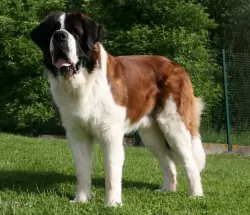 3.Adaptability no - these are giant dogs that need a lot of room. A large fenced yard or farm is best. They won’t do well in an apartment. They need exercise every day and loping around a yard is very good for them. They love to play in the snow, carry a backpack or pull a cart. They love to have a “job”
4.Learning ability – They are smart and highly trainable if motivated. They may appear lazy but they are just laid back and need a motivation.
 The English Cocker Spaniel is generally healthy, but like all breeds, it can be prone to certain health issues:
Ear Infections: Their long ears can trap moisture, leading to infections. Regular cleaning is essential.
Hip Dysplasia: A hereditary condition where the hip joint doesn’t develop properly, leading to arthritis and pain.
Progressive Retinal Atrophy (PRA): A genetic condition causing progressive vision loss.
The English Cocker Spaniel is generally healthy, but like all breeds, it can be prone to certain health issues:
Ear Infections: Their long ears can trap moisture, leading to infections. Regular cleaning is essential.
Hip Dysplasia: A hereditary condition where the hip joint doesn’t develop properly, leading to arthritis and pain.
Progressive Retinal Atrophy (PRA): A genetic condition causing progressive vision loss.
Cataracts: Cloudiness in the lens of the eye, common in older dogs. Autoimmune Disorders: Conditions like immune-mediated hemolytic anemia. Heart Issues: Mitral valve disease in older dogs. Obesity: Prone to weight gain if not properly exercised or fed. Regular vet visits, proper diet, and exercise help manage these conditions.
 The first problem this breed faces is how fast they grow and gain weight. This can lead to serious health issues if not controlled. Their bones can be damaged by this excessively fast rate of growth. Other issues facing the breed include:
 Caring for an English Cocker Spaniel involves meeting their physical, emotional, and grooming needs. They are an active breed, so it’s important to provide daily exercise—a walk or play session for about 30 to 60 minutes will keep them happy and healthy. Mental stimulation is equally important, so be sure to provide toys, puzzles, and training sessions to keep their mind engaged.
Grooming is essential for this breed, as their long, silky coat needs to be brushed 2–3 times a week to prevent matting, especially around the ears and legs. Regular ear cleaning is also important to avoid infections, and they should be bathed every 4–6 weeks using a gentle dog shampoo.Nail trimming every 3–4 weeks and teeth brushing a few times a week will help maintain their overall health.
Their diet should consist of high-quality food tailored to their age, size, and activity level, with fresh water always available. Regular vet visits for vaccinations and health check-ups are crucial, and you should be vigilant for any signs of illness like ear infections or limping. Additionally, early socialization and positive reinforcement training will ensure they grow into well-rounded, obedient companions. By providing consistent care and attention to their physical and emotional needs, your English Cocker Spaniel will thrive as a loyal and loving member of the family.
 1.Feeding the puppy – You want to control their growth. Do not overfeed, and make sure they exercise but not too much. Feed a high quality large breed puppy food 3-4 X a day in small amounts.
2.Feeding the adult – The problem you face with he adult St. Bernard is the potential for Bloat. Don’t over feed. Don’t feed before or after strenuous exercise. Feed 2-3 X a day in smaller amounts to prevent Bloat. Feed a high quality breed specific food if possible or an extra large breed formula.
4. Games and Exercises They need exercise but not as much as you might think. The St. Bernard is a laid back lumbering character so don’t over exercise her. They enjoy weight and cart pulling but they are not athletes who enjoy frisbee or agility. Search and rescue trials and tracking trials are perfect athletic endeavors for them.